
To read more books, make reading easier to begin and easier to return to. You do not need a perfect streak. You need a small set of choices that survive busy weeks: a visible current book, a realistic session length, a backup format, and permission to stop books that are not a fit.
Replace the goal with a repeatable action
“Read more” is a direction, not a plan. Turn it into an action you can repeat: read ten pages after lunch, listen during one familiar walk, or open the book before sleep three nights a week. The action should be small enough that a difficult day does not erase the whole system.
A reading goal can still be useful, but the daily or weekly action is what creates opportunities. Count the return, not only the result. A session that ends after five pages may be the moment that protects the habit.

Reduce the first minute of friction
Keep the current book visible and the bookmark in place. If you read digitally, keep the app or device easy to reach. If you listen, download the next chapter before you need it. Small preparation removes the decision that often stops a session before it begins.
Choose one default place and time, but avoid making it sacred. A habit that works only in perfect conditions is fragile. Create a second route for travel, fatigue, or unexpected noise.
Your reading corner can be as simple as a chair, a light, and a surface. Design the environment around the reading you actually do rather than the image of an ideal reader.

Use short sessions on purpose
Short sessions are not failed long sessions. A ten-minute reading block can move a story forward, restore familiarity, or help you decide whether to continue. Mark a natural stopping point so the next return feels easy.
If concentration is low, read a chapter, a scene, an essay, or a few pages. You do not need to force the most difficult material into the most distracted part of the day. Save dense or emotionally demanding books for the conditions that support them.
Audio and print can coexist. Switching format is not cheating. It is a way to keep the same book available when your hands, eyes, or location change.

Choose books for your current life
Book selection has a direct effect on reading volume. If every book is long, slow, or emotionally heavy, a busy month can make reading feel impossible. Keep a mixed shelf: one immersive book, one short or episodic book, and one book that feels easy to begin.
Do not keep reading a book only because you already started it. Ask whether the book is temporarily wrong or genuinely wrong for you. You can pause it, return it later, or let it go. Protecting the habit matters more than defending a single choice.
A personal reading profile helps. Notice whether you finish books with short chapters, strong atmosphere, clear narrative, or a particular format. These patterns are not rules; they are clues.

Track lightly
A light log can show what helps without turning reading into performance. Record the title, date started, format, and one sentence about the experience. At the end of a month, look for conditions that made returning easier.
If numbers motivate you, use them as a private signal rather than a public standard. A streak can break for reasons unrelated to interest: travel, illness, work, caregiving, or a simple need for rest. Restarting should be ordinary.
You can also track abandoned books. The reason matters more than the count. “Too much setup,” “wrong format,” and “not this month” are useful information for future choices.
A seven-day reset
Day one: choose one book and put it where you will see it. Day two: read for ten minutes. Day three: switch location or format if friction appears. Day four: write one sentence about what you want to know next. Day five: keep the session short. Day six: read at the easiest available time. Day seven: decide whether to continue, pause, or choose a better-fit book.
The reset is not a challenge to win. It is a way to notice which conditions help you return. Keep the parts that work and discard the parts that feel like extra work.
Build a habit that can bend
A flexible reading habit has more than one entrance. You may read at a desk on a quiet morning, listen while walking, or keep a short story for the end of a tiring day. These are not competing versions of the habit. They are routes that protect the same relationship with reading when circumstances change.
Notice the moment you usually stop. Is the book difficult to find, the light poor, the session too ambitious, or the next choice unclear? Solve that specific friction. Buying more books may not help if the real problem is that the current book is buried under other tasks.
Use a pause rule before frustration becomes avoidance. When you notice yourself rereading the same paragraph or reaching for a distraction, stop at the next natural break and write one line about why. You may need rest, a different format, a simpler book, or a return at another time.
The habit also benefits from social support, but it does not need public accountability. A private message to a friend, a quiet book club, or a shared reading hour can create a gentle appointment. Choose support that feels inviting rather than surveilled.
At the end of a month, review the conditions rather than judging your character. Which books made returning easy? Which times worked? Which formats reduced friction? Keep the patterns that helped and release the rules that made reading smaller. A sustainable habit is allowed to evolve.
Make restarting part of the design
A restart plan is not an admission that the habit failed. It is one of the features of a realistic habit. Decide what you will do after a missed week: choose a short book, reread the last page, listen to one chapter, or visit the library. The choice should be obvious enough that you can use it while tired.
Protect a small amount of pleasure. Reading more does not mean filling every spare minute with a book. Leave room for a book that is chosen because it is delightful, strange, comforting, or simply easy. Pleasure is not the reward after the serious reading; it is part of what makes the habit sustainable.
If you share reading recommendations, be honest about fit. Tell someone what kind of reader may enjoy the book, what pace to expect, and what condition made it work for you. This creates better conversations and prevents your enthusiasm from becoming pressure.
Review your active shelf when it becomes crowded. Return books to the library, move paused titles out of sight, and keep only the choices that still feel alive. A smaller shelf makes the next action easier to see.
The goal is not to become a person who never misses a day. The goal is to become a person who knows how to return. Once returning feels ordinary, more reading becomes a likely result rather than a demand.
Leave room for a different kind of month
Some months are for long novels; others are for essays, rereads, audio, or no reading at all. A flexible system can hold these changes without declaring the habit broken. Treat the reading year as a landscape with different seasons rather than a straight line.
When you choose a book for a difficult month, make the choice generous. Look for a clear beginning, a manageable format, and a reason to return. The result may be fewer pages, but it can still be a meaningful reading life.
Count the returns
You may remember the books you finished, but the habit is built from the moments you returned after interruption. Notice those moments. They are evidence that your system works even when the month is uneven.
If your schedule changes, change the reading action instead of abandoning the goal. Five minutes, one page, or one paragraph can keep the door open until a larger session becomes possible.
A reading life is not a contest against time. It is a way of making time feel more inhabited.
One last habit question
Ask whether your reading plan makes the next session more inviting. If it creates guilt, friction, or too many decisions, simplify it. The strongest plan is usually the one that leaves a clear book, a clear place, and a clear permission to begin small.
Optional tools for a habit that can bend
The right physical tool can remove a specific obstacle, but it should never become another reading obligation. A second format can keep a book available when your eyes or location change; a small journal can help you notice patterns without scoring yourself; and a focused light can make a short evening session easier to begin.
Choose one tool only if it answers a real friction point. Try it for a few sessions, keep what makes returning easier, and ignore anything that turns a gentle habit into a performance system.
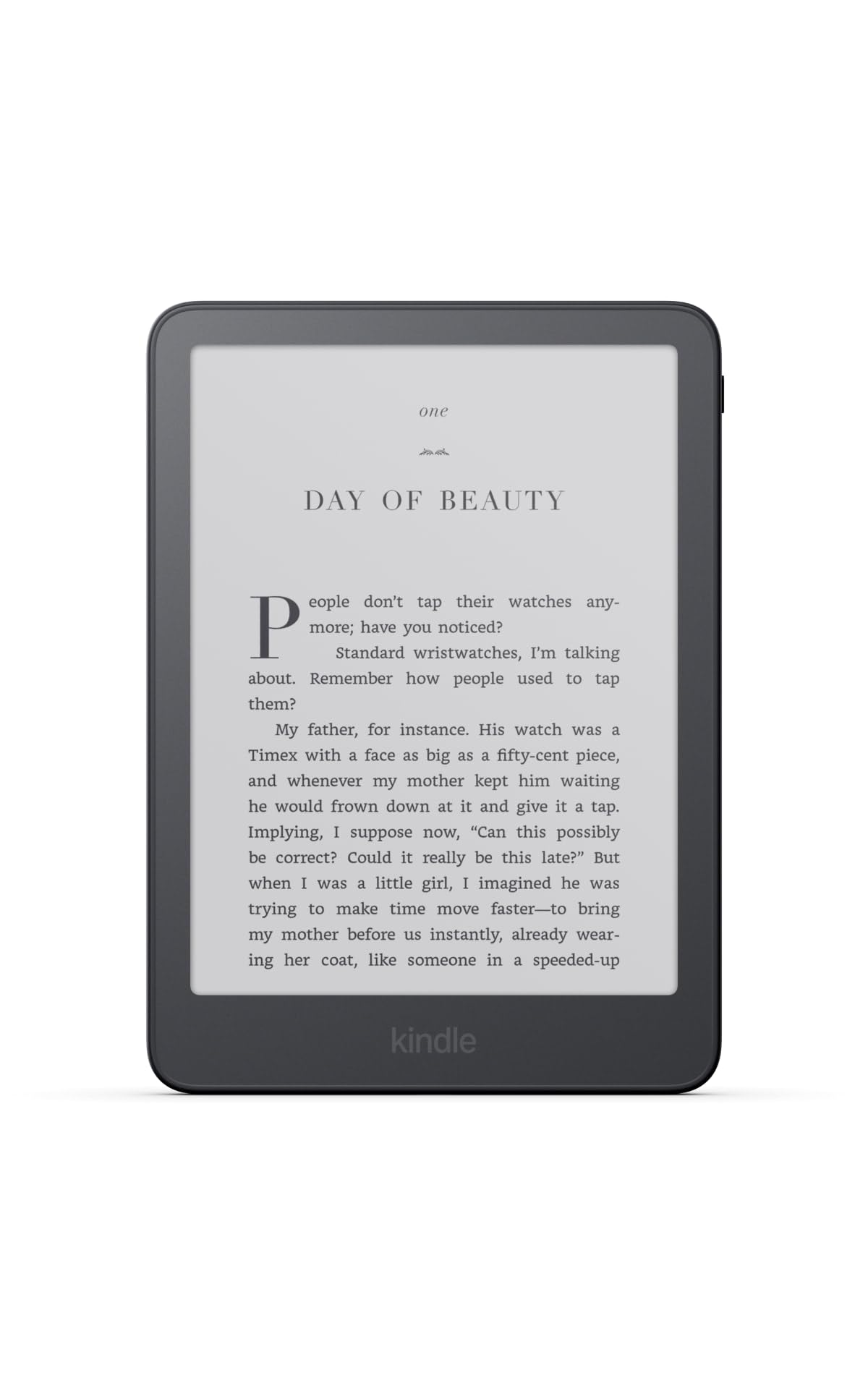
Kindle Paperwhite (newest model)
The current listing describes a 16GB Kindle Paperwhite with a 7-inch display and warm light. It can provide a second format for travel or low-space reading. Check the active edition, device needs, and availability before buying.
View on Amazon ↗
Clever Fox Reading Journal
The current listing describes a 5.8 × 8.3-inch reading journal and book-tracking log. Use it to note what made returning easy, not to turn every session into a score.
View on Amazon ↗
Glocusent reading light
The current listing describes a bendable neck light with multiple color and brightness settings and rechargeable use. Check the active variant before buying and use the light only when it improves your actual reading conditions.
View on Amazon ↗These are editorially selected examples, not universal recommendations. Re-check the live listing before buying.
Frequently asked questions
How many pages should I read each day?
Choose a session length you can repeat. Ten pages or ten minutes can be enough to protect momentum.
Do reading streaks help?
They help some readers, but they can also create guilt. A flexible return habit is more durable than a perfect streak.
Is it okay to abandon a book?
Yes. Record why it was a poor fit and use that information when choosing the next book.
Should I read one book at a time?
Not necessarily. A small mix of formats or moods can help reading survive different days.
How can I read with a busy schedule?
Use short sessions, keep the book visible, and create a second format or location for disrupted days.
How do I get back into reading after a break?
Choose an accessible book, lower the session size, and treat restarting as a normal part of reading.
How often should I read?
Choose a frequency that fits your actual week; a small repeatable session is more useful than an ambitious target you avoid.
Do I need a reading streak?
No. A streak can motivate some readers, but reading does not need a public or perfect chain to count.
What if my schedule changes?
Shrink the session, change the format, or pause without treating the change as a broken identity.
Is rereading useful?
Yes. Returning to a familiar book can be a meaningful reading choice, not a failure to move on.
Key takeaways
- Replace a large reading goal with a small action you can repeat.
- Reduce the first minute of friction and keep a second route available.
- Choose books, formats, and session lengths that fit your current life.
- Count returns and useful patterns, not only streaks or finished titles.
Useful Sources And Verification
This guide is original editorial guidance. For broader library and reading resources, verify details through Library of Congress, American Library Association, and New York Public Library. Books Club does not claim firsthand testing unless a page states it clearly.