

Start small: invite six to ten people, pick an accessible first book together, meet once a month for about ninety minutes, and give the conversation a simple structure. A club survives on rhythm and fairness, not on perfect book choices.
The plan at a glance
Seven decisions, in order. Settle the first three before you invite anyone, and the rest will follow naturally.
| Step | Do this | Keep in mind |
|---|---|---|
| 1. Decide the kind | Open genre or themed, in person or online | A clear format attracts the right people |
| 2. Invite members | Six to ten people who read at a similar pace | Commitment matters more than taste |
| 3. Pick the first book | Accessible, discussable, under 350 pages | The first book sets the tone, not the standard |
| 4. Set the rhythm | Monthly, same day, about 90 minutes | Regular beats ambitious |
| 5. Run the first meeting | Welcome, reactions, three questions, next pick | End on time, every time |
| 6. Keep talking | Open questions, no spoilers, room for quiet members | Disagreement is the point |
| 7. Keep it alive | Rotate who picks, allow skips, add social glue | Fairness keeps people coming back |
Decide what kind of club you want
Before you invite anyone, answer three questions for yourself. First, open or themed? An open club reads anything and suits a mixed group; a themed club, such as mysteries, translated fiction, or short books, attracts people who already like that shelf. Second, in person or online? In person builds stronger bonds but limits who can join; online is easier to sustain across distance and busy schedules. Third, social or serious? Some clubs are mostly a reason to see friends, with the book as a starting point. Others want a real discussion. Neither is better, but mixing the two without saying so causes friction.
Write your answers down in two or three sentences. That short description becomes your invitation, and it saves you from recruiting people who wanted a different club.

Invite the right people
Six to ten members is the sweet spot. Fewer than five and one absence empties the room; more than twelve and quiet members stop speaking. Invite people who read at roughly the same pace and who will show up most months, even if they have not finished the book.
A mix of tastes helps more than a matching set. The best discussions come from people who notice different things: one reads for character, one for plot, one for language. Avoid inviting someone only because they are free; a member who never reads the book still shapes the conversation, usually by steering it away from the book.
Be honest in the invitation about the commitment: one book a month, one meeting a month, and an understanding that finishing is expected but not policed. People who know the shape of the promise are more likely to keep it.
Pick the first book
The first book should be accessible, discussable, and under about 350 pages. Accessible means most members can finish it in a month without strain. Discussable means it has a choice, a conflict, or an ambiguity worth arguing about. A book everyone agrees is lovely makes a pleasant evening and a short conversation.
Let the group choose from a short list of three rather than accepting one person's favorite. Voting gives everyone ownership of the pick, and the two losing titles become your next shortlist. Avoid starting with a doorstop classic or a book that needs heavy context; save those for month four, when the group trusts each other.
If you want a starting point, our guides to books for book clubs and short books for busy weeks list titles chosen for discussion rather than fame.

Set a rhythm that survives real life
Monthly meetings on the same day, such as the second Tuesday, survive better than ambitious weekly plans. Ninety minutes is enough for a real discussion and short enough to protect an evening. Put the next three dates in the calendar at the first meeting, so the club exists in people's diaries before life fills them.
Decide the venue pattern early. Rotating homes shares the hosting load and builds familiarity; a cafe or library room removes hosting pressure entirely. If you meet online, keep the same link and the same start time every month, and agree on whether cameras stay on.
A simple group chat for logistics, separate from any discussion channel, keeps the practical messages from drowning the conversation about the book.
Run the first meeting
A simple agenda carries the first meeting: ten minutes of welcome and introductions, five minutes of first reactions in a round, forty minutes of discussion around three prepared questions, ten minutes to choose the next book, and a clear finish on time. Ending on time matters more than covering everything; it tells people their evening is respected.
Prepare three questions before the meeting, and make them open. Ask about a character's choice, a scene that changed the meaning of an earlier one, or what the book assumes about its readers. Avoid questions with yes or no answers, and avoid starting with whether people liked it, which usually ends the discussion instead of opening it.
Someone should host the conversation, at least for the first few meetings. The host is not a teacher; they keep time, invite quieter members in, and steer the group back to the book when the chat drifts.

Keep the conversation going
The best discussions have a few ground rules, agreed once and then rarely mentioned. No spoilers beyond the current book's ending for members who have not finished; disagree with the reading, not the reader; and let a pause sit for a few seconds before someone fills it, because the best comments often arrive after a silence.
Invite quiet members in by name and by topic, not by pressure: asking someone who reads a lot of history what they made of the setting works better than asking them to perform an opinion. If one person dominates, the host can thank them and turn to the group with a fresh question.
When the conversation stalls, return to a specific passage. Ask what a single scene is doing, or read two sentences aloud and ask what they assume. Concrete text restarts abstract talk better than another general question.
Keep it alive month after month
Most clubs do not die from bad books; they die from drift. Two habits prevent it. First, rotate who picks the book, so no single taste defines the club and everyone has a stake in the next meeting. Second, protect the rhythm: meet even when only four people can come, and let members skip a book without guilt, as long as they keep showing up.
Add small social glue that is not the book: a shared snack rota, an annual in-person meetup for an online club, or a shelf of past picks with one-line verdicts. People stay for the group as much as for the reading, and the group needs care beyond the discussion.
Review the format twice a year, briefly. Ask what is working and what is not, and change one thing at a time. A club that adjusts survives; a club that defends its first decisions out of habit slowly empties.

Two tools that help a new club
Neither is required. A journal keeps the club's record in one place, and prompt cards rescue the evenings when nobody knows what to say first.
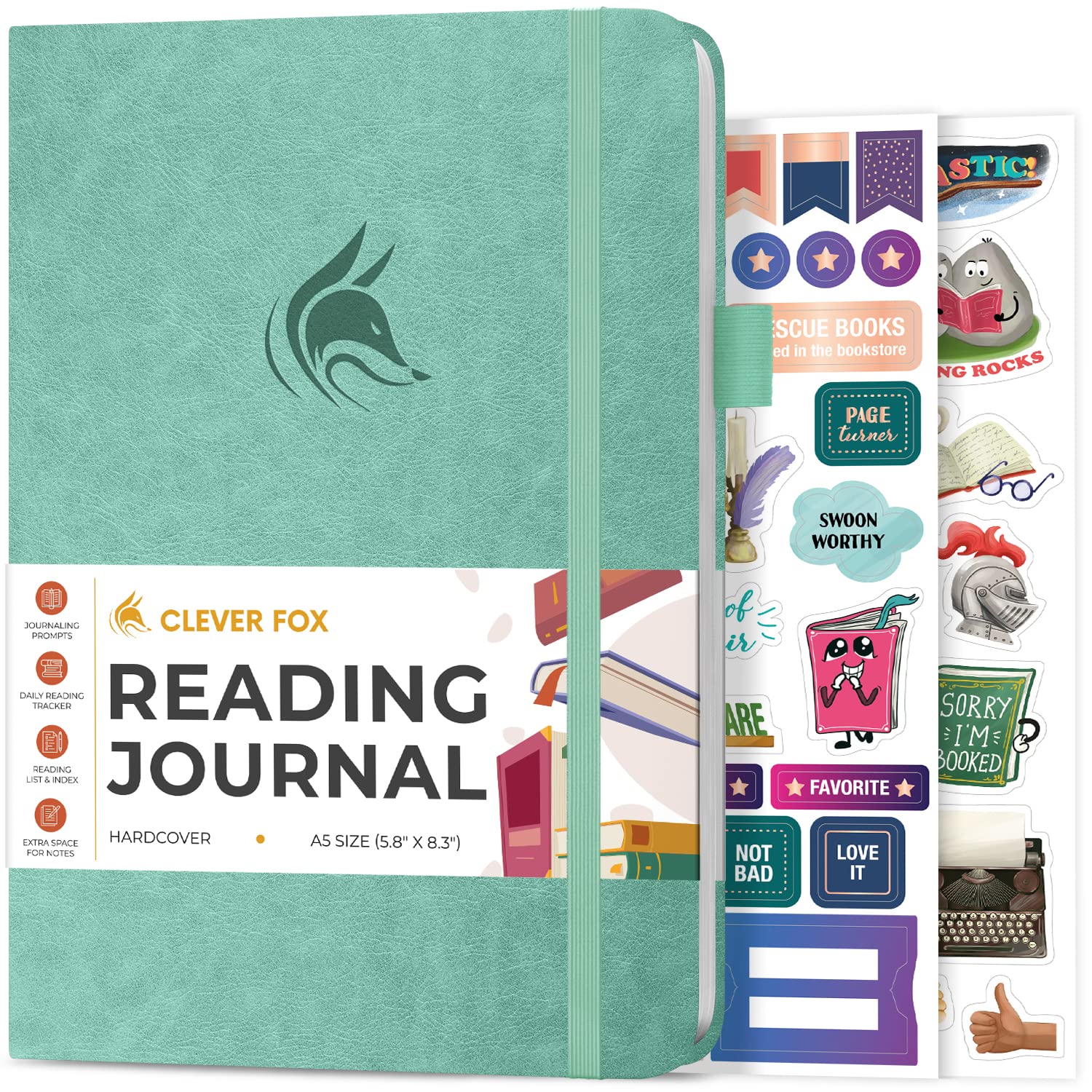
Clever Fox Reading Journal
The current listing describes a 5.8 x 8.3-inch reading journal and book-tracking log. It is a simple place to record each month's pick and your reaction before the meeting.
View on Amazon ↗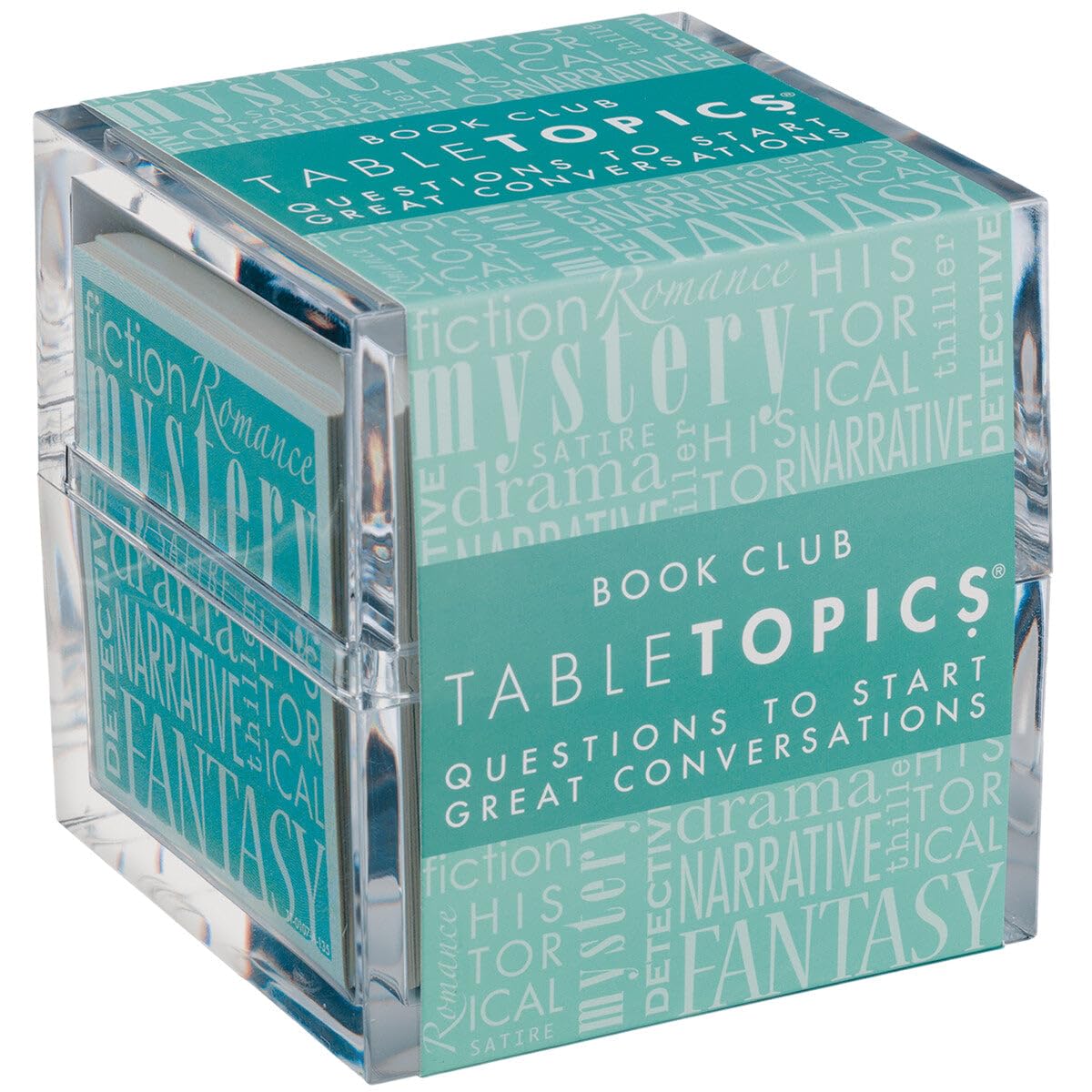
TableTopics Book Club conversation cards
A set of book club conversation cards with discussion prompts. Keep them as a backup for the evenings when the conversation needs a first question.
View on Amazon ↗These are editorially selected examples, not universal recommendations. Re-check the live listing before buying.
Frequently asked questions
How many people should a book club have?
Six to ten is the sweet spot. Fewer than five and one absence empties the room; more than twelve and quiet members stop speaking.
How often should a book club meet?
Once a month works for most groups. It gives everyone time to finish the book and keeps the habit regular without becoming a burden.
What if someone has not finished the book?
Welcome them anyway and agree on a no-spoilers rule for the ending. A member who comes without finishing is more valuable than one who stays away.
How do we pick books fairly?
Rotate who picks, or vote from a short list of three each month. Both give everyone ownership and stop one taste from defining the club.
Should a book club meet online or in person?
In person builds stronger bonds; online is easier to sustain across distance and busy schedules. Either works if the rhythm is regular.
How long should a book club meeting last?
About ninety minutes is enough for a real discussion and short enough to protect an evening. Ending on time matters more than covering everything.
What if nobody talks at the first meeting?
Prepare three open questions in advance and start with first reactions in a round. Concrete passages restart a stalled conversation better than general questions.
Does a book club need a leader?
It needs a host for each meeting, not a permanent leader. Rotating the host shares the work and keeps the format from depending on one person.
Key takeaways
- Start with six to ten people and a clear, short description of the club.
- Pick an accessible first book together, and let the group vote.
- Meet monthly, on the same day, for about ninety minutes, and end on time.
- Prepare three open questions and let disagreement do the work.
- Rotate who picks and who hosts, so the club belongs to everyone.
Useful Sources And Verification
This guide is original editorial guidance. For broader library and reading resources, verify details through Library of Congress, American Library Association, and New York Public Library. Books Club does not claim firsthand testing unless a page states it clearly.