Start reading classics by choosing one book that connects to your curiosity today, not by trying to repair an imaginary gap in your education. A classic is not a moral obligation. It is a conversation that has stayed available, and you are allowed to enter that conversation at your own pace.
Choose a reason before you choose a title
“I should read more classics” is too vague to guide a choice. Replace it with a reason: you want to understand a reference, explore a period, read a famous voice, join a discussion, or see why a story keeps returning. The reason gives you a route into the shelf.
You may be drawn to a setting, a genre, a character type, or a question. Start there. A reader who loves family drama does not need to begin with the book most often assigned in school. A reader who loves speculative fiction may find a strong entry through an earlier work that shaped later ideas.

Pick a manageable first book
Your first classic does not need to be the longest, oldest, or most prestigious option. Choose a book whose length, structure, and subject feel possible. A short novel that you finish can teach you more about your preferences than a monumental book you abandon on page eighty.
Collections, novellas, plays, essays, and selected novels can all be useful entry points. The format matters because it changes the rhythm. A play may move quickly through dialogue; essays may let you read one piece at a time; a novella can offer a complete arc without a long commitment.
If the language feels unfamiliar, check the edition. A clear introduction, notes, or a modern translation can make the book more accessible without making the experience less serious.
Read with context, not a textbook beside you
You do not need to know everything about an author’s life or historical period before beginning. Start with a short context note, then return to the book. Too much background can turn the story into an assignment before it has a chance to speak to you.
Context is most useful when it answers a question you already have. Why is a social rule important in the story? Why does a word or form repeat? What kind of audience was the book written for? Write down the question, then look for a reliable source such as a library guide, publisher note, or scholarly introduction.
Keep interpretation separate from fact. A note about publication history is different from your response to a character. Both can matter, but they should not be presented as the same kind of knowledge.

Handle difficult language without shame
Older or translated books may use syntax, references, or social assumptions that feel distant. Read a paragraph twice when it matters, but do not turn every page into a decoding exercise. If you are losing the thread, pause and summarize what you understand in plain language.
Audio can help with rhythm, and a discussion or reading guide can provide a second route into the structure. You can also switch editions if the notes or translation are making the experience unnecessarily hard. Accessibility is part of good reading, not a shortcut.
Give yourself permission to continue after missing a detail. Many books become clearer through pattern. You do not have to solve every sentence before the larger shape appears.

Read for conversation, not completion points
A useful classic leaves you with questions, not only a finished page count. Keep a short list of moments that surprised you, confused you, or changed your view of the book. If you join a book club, bring one specific passage and one question that cannot be answered with yes or no.
If a book is not working, identify the problem before quitting. Is the pace wrong, the edition difficult, the subject too heavy, or the context missing? Sometimes the best next step is a pause or a different format. Sometimes the honest answer is that this is not your book right now.
Finishing fewer books with more attention is a valid reading life. The goal is not to collect cultural credentials. It is to build a relationship with stories and ideas that remain useful to you.
A four-week starting plan
Week one: choose the reason and read the opening section without judging the entire book. Week two: note one recurring image, question, or conflict. Week three: read a short context note only when it answers a question. Week four: write a one-page response and choose whether you want another book from the same period or a completely different route.
This plan keeps the experience open while giving it enough structure to survive a busy schedule. You can shorten the weeks or extend them. The point is to keep returning without using guilt as the fuel.
Find your own route into the conversation
A reader who begins with classics through a personal question often stays longer than a reader who begins with a duty. You might be curious about how a family story shaped later novels, how a particular form works, or why a character became a cultural reference. Keep that question visible. It gives the book a purpose when the opening pages feel distant.
It can help to pair a classic with a contemporary response, adaptation, introduction, or discussion. The companion does not replace the original. It gives you a second angle and a vocabulary for noticing form, context, and influence. Choose a companion that explains rather than overwhelms.
Do not confuse unfamiliarity with importance. Some books are famous because they changed a field; others remain available because they continue to offer compelling scenes, voices, or questions. You do not have to defend every canonical title in order to read one with care.
If the social assumptions of a book feel troubling, name that reaction instead of hiding it. A serious reading can hold admiration, criticism, historical context, and personal limits at the same time. Check an official or library source when you need background, and keep your interpretation tied to the text.
At the end, decide what kind of next step you want. You might read another book by the author, move to a different period, try a translation, or return to a modern book that now looks different. A classic is most useful when it opens a path rather than closing the shelf.
Keep the next step open
After finishing a classic, resist the pressure to immediately choose another difficult book. Write down what you enjoyed and what you found hard. You may discover that the next useful step is a modern novel with a similar concern, a different translation, or a short work from the same period. Continuity can come through a question rather than a title.
If the book changed your view of a genre, follow the genre. If it changed your view of a historical period, follow the context. If it changed your view of your own preferences, follow that discovery. The best reading path is built from these connections, not from a single official sequence.
You can revisit the book later with a different question. A first reading may focus on plot and character; a later reading may notice structure, language, or the social assumptions around the story. The book does not need to be exhausted in one encounter.
It is also acceptable to read an abridged, annotated, translated, or audio edition when that version gives you a better route into the work. Keep track of what edition you used when discussing details, but do not treat format choice as a test of seriousness.
Classic reading becomes less intimidating when you treat it as a practice of return. Choose a manageable entry, stay curious about difficulty, and let the conversation continue beyond the final page.
The permission to read imperfectly
A classic can be important without being enjoyable at every moment. You can admire a passage, question a premise, struggle with the language, and still decide that the book is not the right fit for you. This is not a failure of cultural knowledge. It is a normal part of reading across time.
Keep your curiosity larger than your guilt. If a title still calls to you, return with a better edition or a clearer reason. If it does not, let the experience inform your next choice and move on.
Let the book change the route
A first classic may reveal that you prefer plays to novels, translations to original-language editions, or social history to plot-heavy fiction. Treat those discoveries as progress. They make the next choice more specific and less intimidating.
You can also stop at a natural boundary and read a companion work before continuing. A pause is not a rejection. It is a way to give the book enough context and space to become readable.
The shelf is not a staircase with one correct order. It is a network of paths. Follow the connection that keeps your attention alive.
Tools for a low-pressure classics start
These optional physical tools support three common entry points: choosing an accessible format, keeping context notes, and marking only the passages you want to revisit. They are not requirements for serious reading. Start with the tool that removes a real obstacle and leave the rest.
Try the setup with one chapter before buying anything else. A readable edition, one useful note, and a small number of marks can do more for confidence than a large study system.
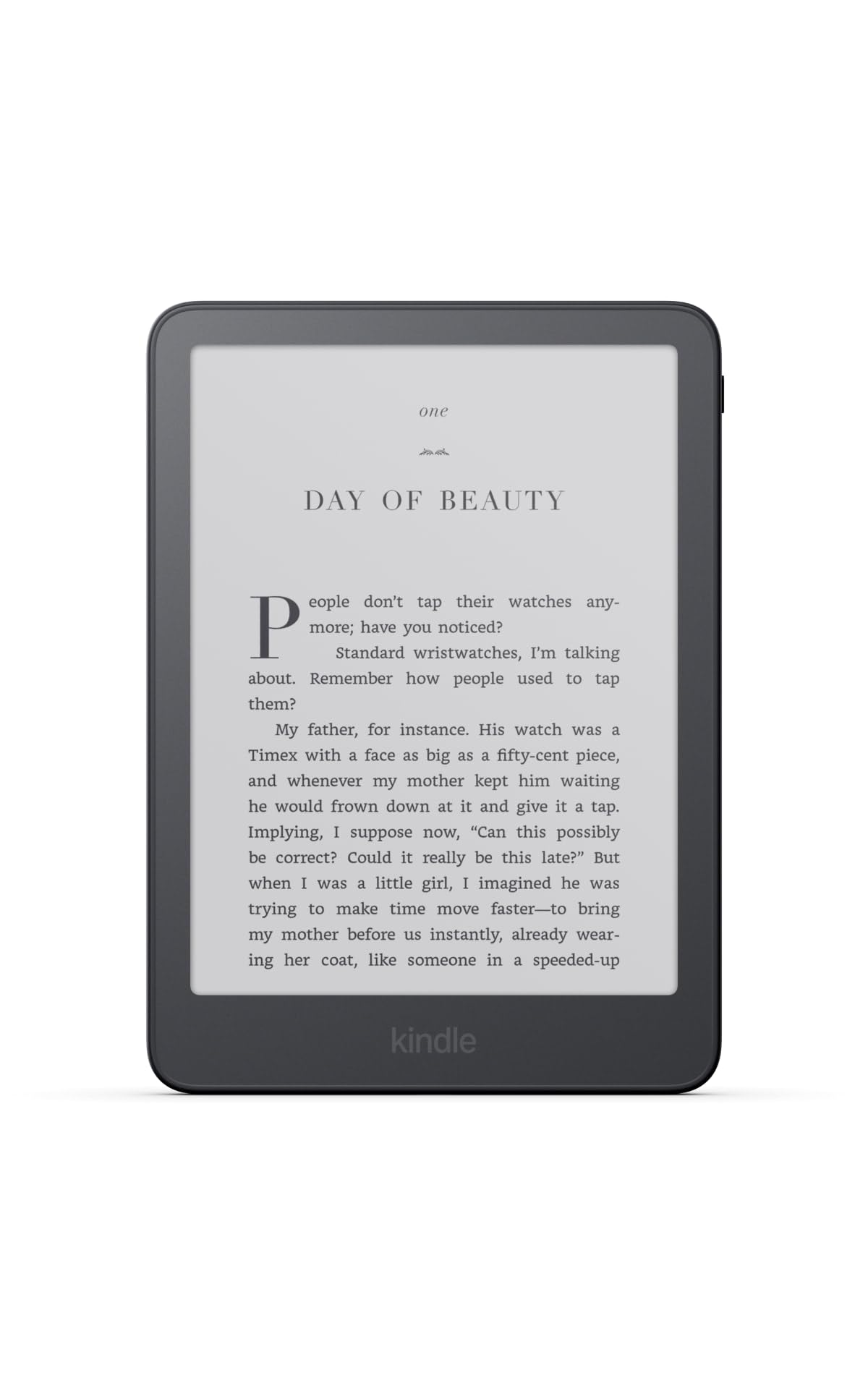
Kindle Paperwhite (newest model)
The current listing describes a 16GB Kindle Paperwhite with a 7-inch display and warm light. Check the active edition, device requirements, color, and availability before buying.
View on Amazon ↗
Clever Fox Reading Journal
The current listing describes a 5.8 × 8.3-inch reading journal and book-tracking log. Use it for a short context note or a four-week plan, not a complete transcript.
View on Amazon ↗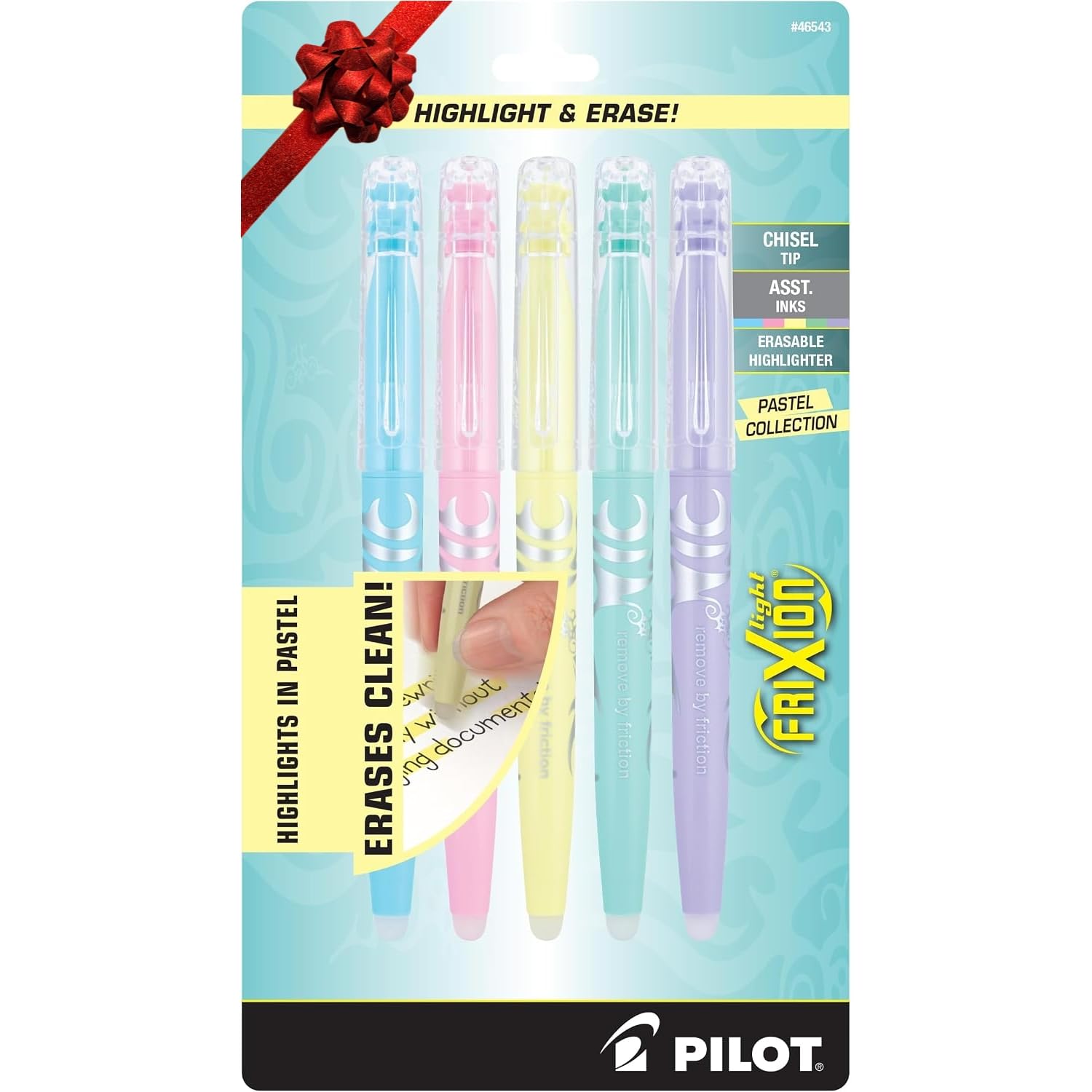
Pilot FriXion erasable highlighters
The current listing describes chisel-tip erasable highlighters with assorted color inks in a 5-pack. Test any marker on the page first and keep your color system simple.
View on Amazon ↗These are editorially selected examples, not universal recommendations. Re-check the live listing before buying.
Frequently asked questions
What counts as a classic?
There is no single universal list. In practice, classics are books that continue to be read, discussed, taught, or reinterpreted across time.
Should I start with the most famous classic?
Not necessarily. Start with the subject, length, form, or question that genuinely interests you.
Do I need historical context before reading?
A little context can help, but too much can make the book feel like homework. Begin with the story and research questions as they arise.
Are modern translations acceptable?
Yes. A clear, well-edited translation can make a work more accessible while preserving the opportunity to engage with it seriously.
What if I do not understand every page?
Summarize what you do understand, keep moving, and use notes or audio when the structure needs support.
How do I discuss a classic without pretending to be an expert?
Bring a specific passage, a genuine question, and a clear distinction between what the text says and how you interpret it.
Do I need background knowledge before starting a classic?
Usually not. A short introduction can help, but you can begin with the reading experience and look up context as needed.
Which edition should I choose?
Choose an edition with readable formatting and a trustworthy translation or explanatory notes when those features matter.
What if the language feels difficult?
Reduce the pressure, read in shorter sessions, and use an introduction or companion guide without treating help as cheating.
Is it okay not to finish a classic?
Yes. A classic can be worth sampling, discussing, or returning to later even if it is not the right book now.
Key takeaways
- Choose a reason and a manageable first book.
- Use context to answer questions, not to create homework.
- Keep notes, markings, and formats flexible enough to support curiosity.
- Let difficulty inform your next route instead of defining your ability.
Useful Sources And Verification
This guide is original editorial guidance. For broader library and reading resources, verify details through Library of Congress, American Library Association, and New York Public Library. Books Club does not claim firsthand testing unless a page states it clearly.