La forma más rápida de elegir tu próximo libro es dejar de preguntarte cuál es el mejor y empezar a preguntarte qué experiencia de lectura se ajusta al tiempo y la atención que realmente tienes. En diez minutos, puedes reducir una enorme estantería a una opción sensata teniendo en cuenta cuatro aspectos: tu estado de ánimo, el tiempo disponible, el formato y tu tolerancia a la dificultad.
Empieza por la experiencia de lectura, no por el título.
Encontrar un buen libro suele ser más difícil cuando cada opción viene con una clasificación. Una lista de bestsellers te dice qué libros compraron o comentaron muchas personas, pero no te dice si prefieres un misterio tranquilo, una novela histórica exigente, una trama ágil o una historia conmovedora que no te exija mucho esta noche. Elegir bien empieza con un pequeño acto de honestidad: define qué sensación quieres experimentar en la próxima hora.
Utiliza una frase sencilla como «Quiero algo con ambiente, pero no sombrío», «Quiero una historia que pueda terminar en ratos cortos» o «Quiero un libro que le dé a mi club de lectura algo de qué hablar». Esa frase es más útil que una etiqueta de género abstracta porque describe la experiencia que intentas crear.

El método de 10 minutos
Primero, tómate dos minutos para elegir un estado de ánimo. Escoge una palabra o frase: curioso, reconfortado, desafiado, divertido, absorto, inquieto o concentrado. No necesitas la etiqueta perfecta. El objetivo es descartar los libros que claramente no son adecuados para el momento.
A continuación, ten en cuenta tu horizonte temporal. Si tienes una semana muy apretada, una novela larga con un comienzo lento puede no ser la mejor opción en este momento, aunque sea justo el tipo de libro que te gustaría leer en otra época del año. Si tienes un fin de semana largo o un trayecto al trabajo, un libro con ritmo ágil te resultará más fácil de seguir. El tiempo no determina la calidad; simplemente modifica la forma en que se trata de una buena elección.
En tercer lugar, decide el formato. El formato impreso, el electrónico y el audiolibro ofrecen diferentes condiciones de lectura. Un libro de tapa dura grande puede ser precioso en un escritorio, pero incómodo en el tren. Un libro electrónico puede ser práctico cuando quieres tener varias opciones a mano. El audiolibro te permite disfrutar de historias que ya conoces, incluso cuando tienes la vista distraída. Elige el formato que te resulte más cómodo en el lugar donde vayas a leer.
Finally, check difficulty. Difficulty is not a virtue by itself. Ask whether you want unusual structure, dense prose, a large cast, emotionally heavy material, or a straightforward narrative. The best next book is often the one whose demands match your available attention.

Use fit filters to narrow the shelf
Once you know the experience you want, apply three filters: pace, emotional temperature, and subject. Pace tells you how quickly the story tends to reveal its shape. Emotional temperature tells you whether the book leans tender, tense, bleak, playful, or contemplative. Subject tells you what the book is actually about beneath its packaging.
You can apply these filters to a publisher description, a library record, a trusted review, or a friend’s recommendation. Do not treat one short blurb as a complete reading forecast. Use several small signals and notice whether they point in the same direction.
At Books Club, our book profiles keep these signals separate from personal testing claims. A description may come from publisher or library information; a note about pace or mood is editorial interpretation; recurring reader reactions are patterns rather than guarantees. That separation helps you choose without pretending that a book will feel identical to every person.

A simple decision tree
If you want comfort, start with a book whose premise is easy to understand and whose emotional direction is clear. If you want challenge, look for a book with a strong voice, unusual structure, or a subject you have not explored. If you want conversation, choose a book with enough interpretive space for disagreement but enough shape for everyone to discuss the same object.
If you keep abandoning books, reduce the size of the decision. Pick a short novel, a collection, or a book with chapters that feel complete. If you are returning to reading after a long pause, do not make your first choice a test of identity. A readable, engaging book is not a lesser choice. It is a bridge back into the habit.
When two books still look right, choose the one you can begin immediately. Save the other on a short “next shelf” rather than reopening the entire search. A good decision is not the one that proves the most taste. It is the one that gets you reading.

Common mistakes to avoid
The first mistake is choosing for an imaginary version of yourself. Maybe you love the idea of reading a 900-page classic, but this week you need something that can survive interruptions. The second mistake is treating every recommendation as a promise. A friend’s favorite book is evidence of their experience, not a contract for yours.
The third mistake is confusing abundance with freedom. Ten open tabs, three saved lists, and a recommendation feed can create more friction than a small physical stack. Keep three active options: one easy, one stretching, and one wildcard. When you finish or abandon one, replace only that slot.
A repeatable 10-minute routine
Keep a short reading note with four lines: mood, time, format, and difficulty. When you want a book, fill in the lines before searching. Then choose three candidates and write one sentence about why each could fit. The act of explaining the fit usually makes the decision obvious.
After you read for a few sessions, record whether the choice worked. Do not score the book as universally good or bad. Record the match: “right mood, wrong pace,” “excellent for audio,” or “interesting but too heavy for this week.” These notes become a personal recommendation system that is more useful than a generic ranking.
What the method looks like in real life
Imagine that you have twenty minutes before bed and want something absorbing but not emotionally punishing. You might rule out a long, dense novel, a book that depends on close daytime concentration, and anything whose subject feels too close to the news. A moody mystery, a warm character novel, or a short story collection may now fit better. The choice is not a statement about what you value permanently. It is a response to the conditions of this particular evening.
Now imagine a different week: you have a long commute, more energy, and a desire to learn. The same filters may point toward an audiobook, nonfiction, or a novel with a more demanding structure. The method stays stable while the answer changes. That is why it is more useful than a fixed list of “best books.”
You can also use the method with a recommendation from someone you trust. Instead of accepting or rejecting the recommendation immediately, translate it into fit language. Ask what the friend loved: the voice, the relationships, the puzzle, the setting, the historical frame, or the feeling at the end. Then decide whether that specific quality matches your current reading life.
When a book is available in several formats, compare the conditions rather than choosing by habit. A print edition may help you remember where you are in a long argument. An ebook may lower the weight and make a book available in more places. Audio may add performance and momentum. The format is part of the choice, not packaging after the fact.
The final step is to begin before the search expands again. Read the first few pages, then ask whether the experience matches the promise you were looking for. If it does, keep going. If it does not, stop early and return to the three-candidate shelf. The method works because it creates a small loop from intention to evidence to adjustment.
A final check before you commit
Before you buy or borrow, read the description of the format you plan to use. Check whether the edition is complete, whether the audio narration is what you want, or whether the ebook is likely to work on your device. These details are not distractions from the literary choice. They determine whether the choice can become a real reading session instead of another saved tab.
También puedes preguntarte qué tipo de final prefieres ahora mismo. Algunos lectores buscan un desenlace claro, otros prefieren la ambigüedad, y a otros les da igual siempre que la historia sea interesante. El final no es una pregunta que revele spoilers; es una cuestión de estado de ánimo. Conocer tu tolerancia a las preguntas abiertas puede evitar un desajuste que no tiene nada que ver con la calidad.
Si se trata de un regalo o una recomendación grupal, tenga en cuenta las preferencias de la otra persona. ¿A qué recursos tiene acceso? ¿Qué libros ya ha leído? ¿Qué temas podrían resultarle incómodos? Una buena recomendación no se basa únicamente en su confianza en el libro, sino también en la capacidad del destinatario para recibirlo con agrado.
Cuando la decisión aún te resulte incierta, opta por la opción más sencilla y reversible. Pide prestado el libro, lee un fragmento, elige un ejemplar de la biblioteca o añádelo a tu lista de favoritos en lugar de comprar la edición completa de inmediato. La posibilidad de revertir la decisión reduce la presión y deja espacio para obtener mejores argumentos.
El objetivo del método de diez minutos no es convertir la lectura en un acto mecánico, sino devolverle al lector la capacidad de elección. Un libro puede sorprenderte tras una cuidadosa selección, o decepcionarte tras una reflexión profunda. El método funciona cuando te ayuda a empezar con expectativas realistas y a ajustarlas sin remordimientos.
Pequeñas herramientas que reducen la fricción al leer
Son herramientas físicas opcionales, no compras obligatorias. Cada una responde a una fricción distinta del método: portabilidad, notas, luz o lectura sin manos. Los enlaces llevan a páginas de Amazon y pueden cambiar según el color, la edición, el precio o la disponibilidad.
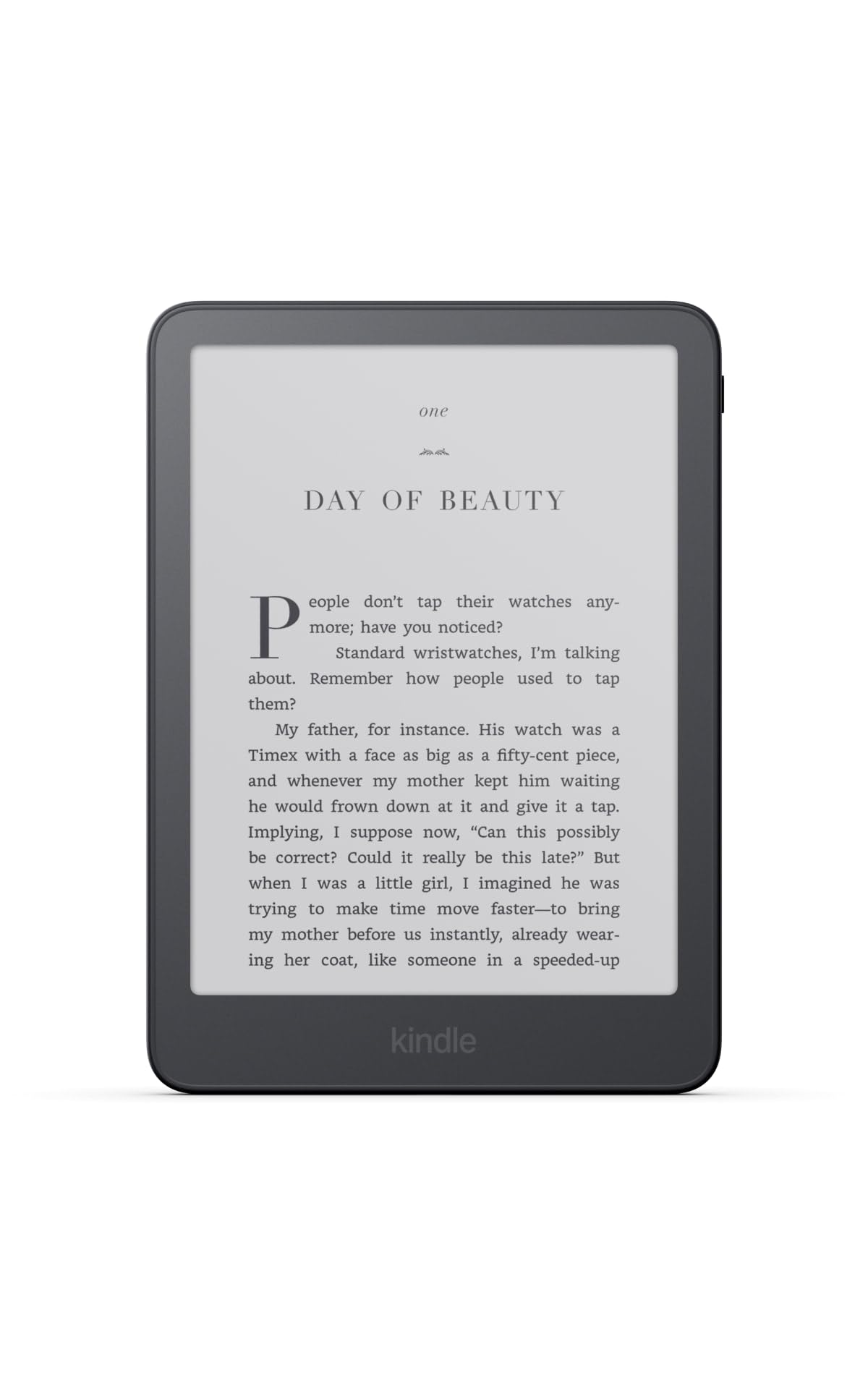
Kindle Paperwhite (modelo más reciente)
La ficha actual describe un Kindle Paperwhite de 16 GB con pantalla de 7 pulgadas y luz cálida. Comprueba en Amazon el color, la configuración de anuncios, el precio y la disponibilidad.
Ver en Amazon ↗
Clever Fox Reading Journal
La ficha actual describe un diario de lectura de 5,8 × 8,3 pulgadas para registrar libros. Puede servir para anotar si el ritmo y el tono encajan después de varias sesiones.
Ver en Amazon ↗
Luz de lectura Glocusent
La ficha actual describe una luz de cuello flexible con varios colores, niveles de brillo y uso recargable. Comprueba la variante activa antes de comprar.
Ver en Amazon ↗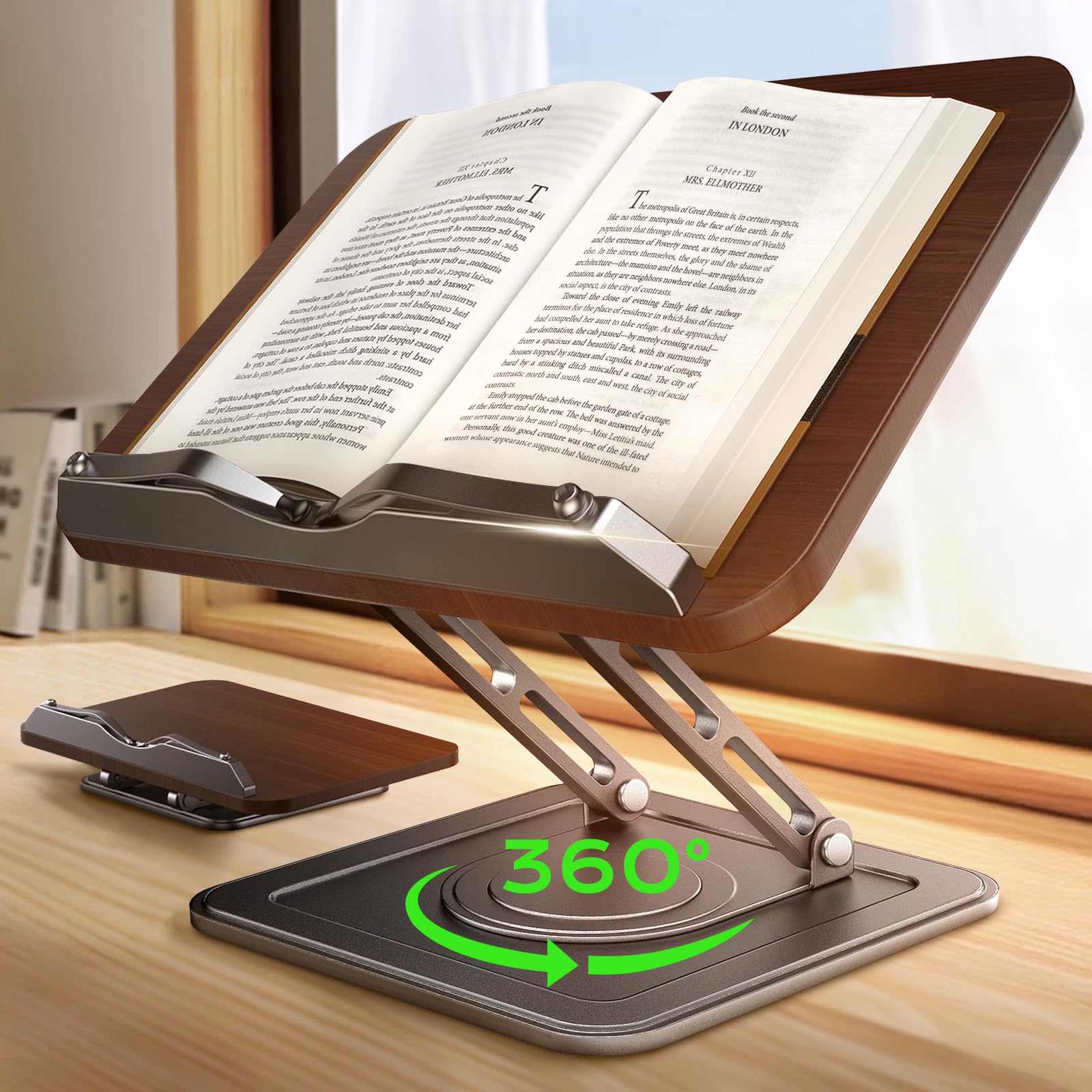
Soporte giratorio para libros
La ficha actual describe un soporte giratorio 360° con pinza para páginas. Compara sus medidas con tu libro y tu superficie de lectura antes de comprar.
Ver en Amazon ↗Son ejemplos seleccionados editorialmente, no recomendaciones universales. Comprueba la ficha activa antes de comprar.
Preguntas frecuentes
¿Cuál es la forma más rápida de elegir un libro?
Indica el ambiente, la hora, el formato y el nivel de dificultad que deseas, y luego compara solo tres candidatos.
¿Debo elegir por género o por estado de ánimo?
El estado de ánimo suele ser el mejor primer filtro, ya que dos libros del mismo género pueden generar experiencias muy diferentes.
¿Qué pasa si sigo eligiendo libros que no termino?
Durante un tiempo, opta por libros más cortos o de lectura más inmediata, y considera la interrupción como una señal de que estás en buena forma física, en lugar de un fracaso.
¿Un best-seller es automáticamente una buena lectura para después?
No. La popularidad puede ser una señal útil para descubrir un libro, pero no puede hacer que un libro se ajuste a tu tiempo o atención disponibles.
¿Cuántos libros debería incluir en mi próxima lista de lectura?
Por lo general, basta con tres opciones activas: una lectura fácil, una lectura que suponga un reto y una opción comodín.
¿El formato realmente cambia la experiencia de lectura?
Sí. El peso, el reflejo de la pantalla, la portabilidad, la narración y el lugar donde lees pueden influir en la naturalidad con la que un libro se adapta a tu rutina.
¿Qué hago si solo tengo unos minutos para elegir?
Indica el estado de ánimo y el tiempo que tienes, elimina las opciones que no encajan y compara solo unas pocas posibilidades realistas.
¿Está bien abandonar un libro?
Sí. Parar puede darte información útil sobre la afinidad, el momento o la atención disponible, no significa fracasar.
¿Cuántas opciones debería comparar?
Normalmente bastan tres: una lectura fácil, una que suponga un reto y una opción comodín.
¿Debería elegir papel, ebook o audio?
Elige el formato que reduzca la fricción en el lugar y el momento en que esperas leer.
Conclusiones clave
- Elige la experiencia de lectura que puedas apoyar ahora.
- Reduzca la fricción antes de añadir más herramientas u objetivos.
- Utilice las notas y las rutinas como apoyo, no como una segunda tarea de desempeño.
- Deja que la idoneidad, el acceso y el momento oportuno guíen tu próxima decisión.
Fuentes útiles y verificación
Esta guía contiene recomendaciones editoriales originales. Para obtener información más amplia sobre bibliotecas y recursos de lectura, consulte la Biblioteca del Congreso , la Asociación Americana de Bibliotecas y la Biblioteca Pública de Nueva York . Books Club no se atribuye la autoría de las pruebas a menos que se indique claramente en la página.