
Choose a bookmark by how you read: a thin paper marker for everyday carrying, a flexible ribbon for a fixed book, or a magnetic or clip style when you need a secure place-holder. The best bookmark is easy to find, gentle on pages, and unlikely to disappear.

Start with the way you lose your place
The right bookmark solves a small practical problem. Maybe you carry a book in a bag, read several books at once, pause in bed, or return to a title after long gaps. A loose paper slip may work perfectly in one setting and fall out immediately in another. Describe the failure first, then choose the object.
A bookmark should mark a place without damaging the page. Avoid assuming that a heavier or more elaborate design is automatically better. Weight, thickness, surface, and attachment all matter.
Bookmark types at a glance
For readers who carry books everywhere
Prioritize low weight, a flat profile, and a marker that will not catch on the inside of a bag. A paper or thin laminated bookmark may be enough. If you carry a paperback beside a laptop, keys, or water bottle, a marker that stays close to the page can prevent repeated repositioning.
Keep a spare in the place where you usually change bags. A bookmark is a small object, but the absence of one often leads to folded corners, receipts, or whatever scrap is closest.

For readers who read several books at once
Different books need different markers. Use colors or shapes only if they help you identify the current title quickly. A simple system might reserve one marker for fiction, one for nonfiction, and one for a book you are lending. Avoid a system so elaborate that managing the markers becomes more work than finding the page.
If you use tabs, clips, or flags, check whether they leave residue or add pressure to the binding. The page should remain the priority.
For collectors and gift-givers
Decorative bookmarks can make a thoughtful small gift when the design connects to the recipient’s interests. Choose a material and size that still work as a marker. A beautiful object that is too thick, sharp, or fragile may become a display piece instead of a useful reading tool.
If you are giving one with a book, explain why you chose it and leave the recipient free to use, save, or pass it on. The gesture matters more than the assumption that the design matches their taste.
Material, thickness, and page safety
Paper can be light and replaceable. Fabric can feel soft but may fray. Metal can be durable but may add weight or scratch a page edge if finished poorly. Plastic or laminated stock can resist moisture but may become slippery. Inspect edges, corners, coatings, and any attachment point.
For valuable or delicate books, use the lightest marker that stays in place. Do not add pressure to a binding simply to keep a bookmark from moving.

Use bookmarks to support returning
A bookmark can become a small re-entry cue. Leave it at the exact place where you want to resume, and add a short note on a separate slip if the book has several threads. The marker should reduce the work of remembering where you were, not become a substitute for notes or a reason to track every page.
If you stop reading for a while, write one sentence about what was happening. That sentence often does more for continuity than the bookmark itself.
When a bookmark is not the best tool
Some readers prefer a reading app, a ribbon built into the book, or a simple pencil mark in a personal copy. Others use a digital note or photograph the page. The best choice depends on the book and your comfort with marking it. A bookmark is useful because it is reversible, but it is not mandatory.
For borrowed books, choose a removable marker and avoid adhesives, moisture, and anything that can catch on the page.
Frequently asked questions
What is the safest bookmark for books?
A thin, smooth, removable marker is usually the lowest-friction choice. Check edges and avoid pressure on delicate bindings.
Are magnetic bookmarks safe?
They can be convenient, but check magnet strength, thickness, and whether the marker presses or catches on the page.
Should a bookmark be longer than the book?
No. A marker should fit comfortably and remain easy to find without protruding excessively.
Can I use a receipt as a bookmark?
You can, but paper scraps may slip, tear, or leave ink transfer. A simple dedicated marker is more reliable.
What works for borrowed books?
Use a removable, non-adhesive marker with smooth edges and no moisture or residue.
How many bookmarks do I need?
Keep enough for your actual reading pattern. A small spare set is usually more useful than a large collection.
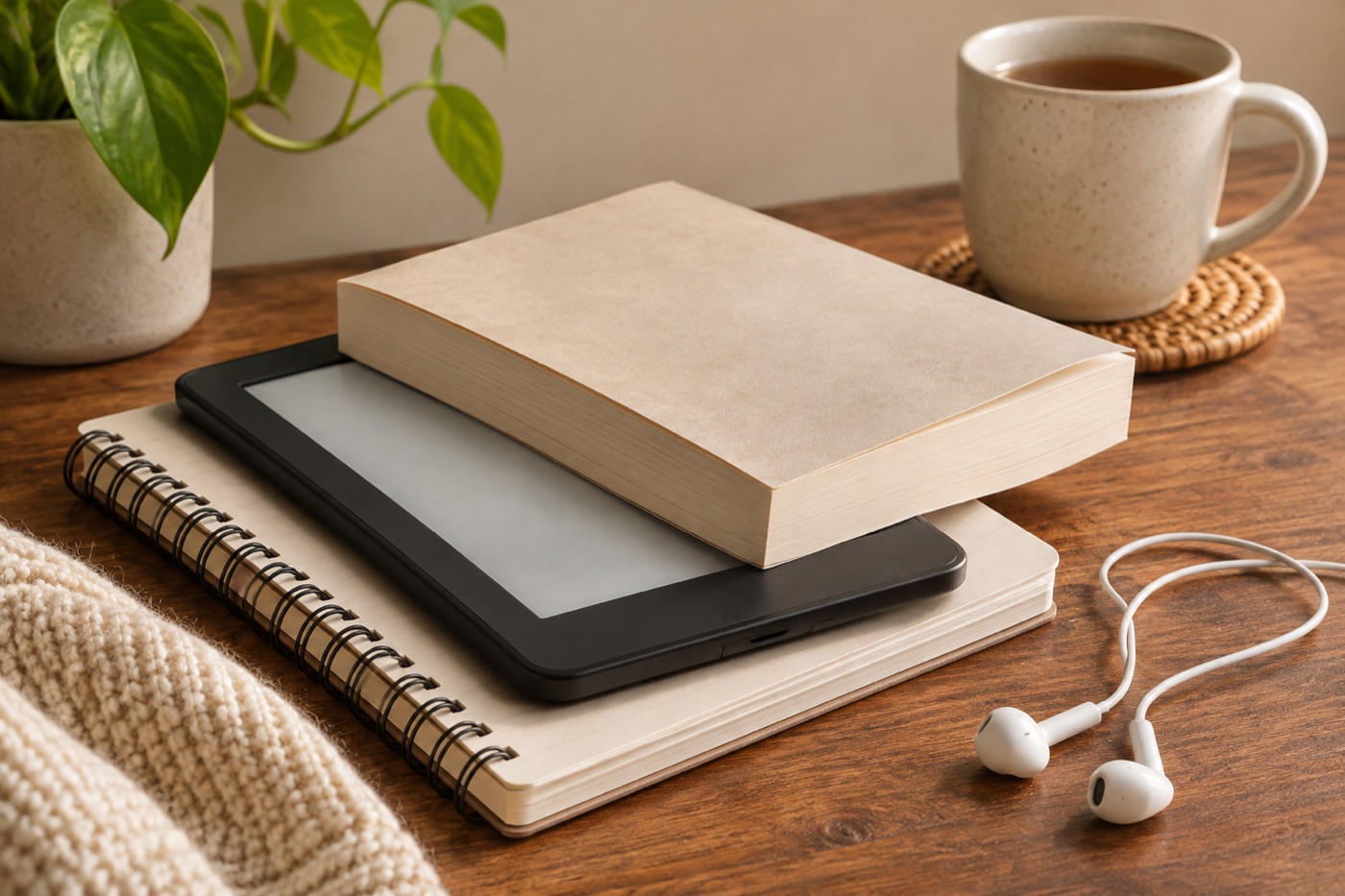
Choose a bookmark that disappears into the habit
Before buying, check thickness, material, edge finish, attachment, portability, and whether the object suits the books you actually read. If you are giving one, pair it with a note rather than assuming decoration is enough. The best bookmark becomes nearly invisible: it protects the place, helps you return, and does not compete with the book.
Useful Sources And Verification
Make the marker part of the return
Before closing the book, place the bookmark carefully and note the smallest reminder you will need later. A scene, question, or character name can be enough. This turns a simple object into a bridge between sessions without making reading feel like administration.
Choose the marker that protects that bridge and then let it disappear into the habit.
Keep one spare marker where you usually stop reading. That small preparation is often enough to prevent folded corners, missing pages, and unnecessary interruption.
That is enough: protect the page, find the place, and return without friction.
Choose a marker that suits the book in your hand and the place where you stop. The right object does not need to be special; it needs to be dependable, removable, and easy to reach when the next session begins.
Keep the decision grounded in use
Before you commit, compare the choice with the place, time, and attention you actually have. A journal should be easy to reopen. A bookmark should stay gentle and findable. An e-reader should solve a real access or portability problem. A reading light should clarify the page without taking over the room.
Start small, verify the current details, and let real use teach you what to change. The best reading-life tools are not the most complicated ones. They are the ones that quietly make returning to a book easier.
Leave room for change
Reading habits shift with work, travel, health, space, and mood. Choose a setup that can adapt instead of forcing you to preserve one perfect routine. If a tool adds friction, change the tool, the placement, or the expectation. A flexible reading life is not a weaker one; it is more likely to last.
Use this guide as a decision aid, not a rulebook. The final test is simple: does the choice help you return to the page with less resistance and more comfort?
Verify material, dimensions, finish, accessibility, availability, and current product details through the maker or publisher page and a trusted retailer. For borrowed or valuable books, consult library handling guidance and follow the owner’s rules. This guide does not claim firsthand product testing.
Choose for the books you actually own
Hardcovers, paperbacks, library books, notebooks, and illustrated editions all have different page and binding needs. A marker that disappears inside a large hardcover may be excellent in a pocket paperback and frustrating in a shared library copy. Match the object to the books, not to an imagined reading style.
Use color only when it helps
Color can separate current books, genres, or reading projects, but too many categories create visual noise. Start with one color for current reading and one for books on pause. Add more only if you can explain the benefit. A bookmark system should reduce decisions.
Think about lending and return
If you lend books, remove anything that might be mistaken for part of the book or forgotten inside it. A simple paper marker is easy to retrieve. When borrowing, use a marker that leaves no residue and return it with the book rather than assuming the owner wants it.
Make the bookmark part of the gift
A bookmark can carry a small message, a place reference, or a visual connection to the book. Keep the gesture light. The recipient should be able to use it without worrying that wear will damage an expensive keepsake. Usefulness is part of the sentiment.
Replace the marker when it becomes a problem
Frayed edges, bent clips, residue, and repeated slipping are signs to change the marker. Do not keep an object because it is attractive if it makes reading harder. A small replacement can protect pages and make returning to the book easier.
Keep a spare where you stop reading
One bookmark at home and one in a bag may be enough to prevent folded corners and improvised scraps. Store spares flat and dry. The best backup is the one you can reach before you put the book down.
Use a marker as a pause signal
Placing the bookmark can become the final act of a reading session. Before closing the book, note the page, the scene, or the question you want to carry. This tiny ritual makes returning easier and protects the sense of continuity between sessions.
Choose a marker for your environment
A home reading chair, a train, a library desk, and a bedside table each create different risks. Consider moisture, movement, pets, children, and shared surfaces. A practical bookmark adapts to the environment instead of assuming the book will remain perfectly still.
Keep the collection useful
If you collect bookmarks, separate display pieces from working pieces. Store special designs safely and keep a small group for everyday reading. This preserves the pleasure of collecting without making every reading session depend on a delicate object.
Mark more than a page when needed
If a book has several active threads, pair the bookmark with a tiny note or a removable flag. Use the marker for location and the note for memory. This prevents the bookmark from carrying a job it was never designed to do.
Choose a gift that can be used
When buying for someone else, favor smooth edges, reasonable size, and a design that can travel. If you know the recipient reads in different formats, a flexible paper or fabric marker may be more useful than a rigid collectible.
Make returning effortless
The best bookmark is the one you reach for without thinking. Keep it close, choose a format that stays put, and pair it with a small re-entry note when the book is complex. That is enough to turn a tiny object into a reliable reading aid.
Match the bookmark to the pause
If you pause for minutes, a simple marker is enough. If you pause for weeks, add a short reminder of the scene or question. The longer the gap, the more useful the note becomes. This keeps the bookmark simple while protecting continuity.
Use durability as a practical filter
Choose a marker that can survive your normal handling, bag, table, and reading environment. Durability is not the same as heaviness. The best object is sturdy enough for the habit and light enough to disappear into it.
Make the next action clear
Write down the problem you want to solve, the feature or format that matters, and the condition that could make the choice wrong. Then take one small action: borrow a sample, measure the space, check the current specification, open the journal, or place the bookmark where you will use it. Practical guidance becomes useful when it ends in something you can do.
Review the choice after real use. If the tool creates friction, change the tool or the setup. You do not need to defend a purchase, a system, or a habit that no longer supports your reading life.
Let the tool disappear into the habit
The reading life is larger than any accessory or device. Choose the option that reduces friction, respects your space, and leaves your attention available for the book. If the object keeps demanding attention, treat that as useful evidence and adjust the setup.
A good choice remains flexible. It can support a busy week, a slower season, a shared room, a new format, or a change in the way you remember what you read. That flexibility is part of the value.
Check the fit before you commit
Before buying or building a system, verify the current details and compare them with your real reading conditions. The smallest useful choice is often better than an impressive but complicated one. Keep a backup plan, allow the setup to change, and let actual use guide the next decision.