

Take every book off the shelf, sort by the method that matches how you choose — genre first for most readers — and keep a visible split between read and unread. Leave breathing room on each shelf and spend ten minutes a month putting strays back.
At a glance: five ways to organize a shelf
Every method below works. Choose the one that matches the question you actually ask when you stand in front of your shelves.
| Method | Best for | Watch out for |
|---|---|---|
| By genre | Finding a book for a mood | Genre lines blur; pick one home per book |
| By author | Series and complete works | Anthologies and shared authorship |
| By color | A calm, visual shelf | Finding a specific title takes longer |
| By mood | Choosing by how you feel | Moods change; keep the groups broad |
| Read and unread | Seeing what is next | Unread piles grow; cap the shelf |
Start by taking stock
Take every book off the shelf before you organize anything. A shelf organized in place keeps the same problems: duplicates hidden behind other books, titles you forgot you owned, and a row of books you will never read again. Empty shelves force honest decisions.
Sort the pile into four groups as you go: keep and display, keep but store, give away, and not sure. The “not sure” box gets a date; if you have not opened it in six months, it leaves. This first pass is the hardest part of the job, and it is also the part that makes everything after it easy.

Organize by genre first
Genre is the most useful default because it matches how most readers choose. Fiction together, nonfiction together, and within fiction the genres you actually read — mystery, fantasy, literary fiction, memoir. A reader who reaches for a mystery does not want to hunt through history books to find it.
Keep the genre list short: five or six groups at most. A shelf with twenty micro-genres is as hard to browse as a shelf with none. If a book fits two genres, give it one home and stop worrying; the shelf is a finding tool, not a classification exam. Our lists of modern classics and feel-good books can help you see which genres you actually return to.

Then group by author
Inside each genre, group by author and keep series together in reading order. This is where most shelves quietly fail: a trilogy split across two shelves because a taller book did not fit, or an author's books scattered by size. Series belong together even if the spines do not match.
Alphabetical order inside an author group is optional. For a small collection it adds little; for a large one it saves real time. Either way, keep an author's books on the same shelf when you can, and let the tallest book set the shelf height rather than cramming it sideways.
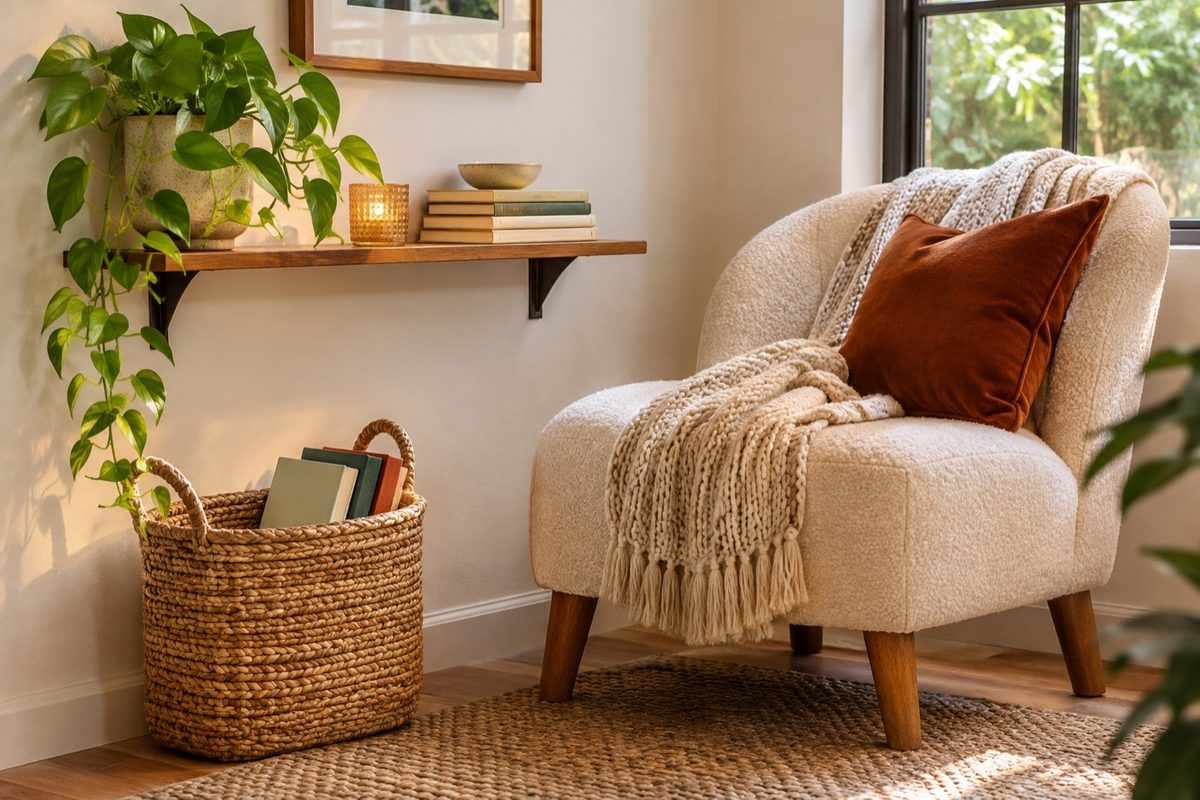
Color order works when you know your books
Organizing by spine color makes a beautiful shelf, and it works best for readers who choose by memory — you remember the red cover, not the title. If you usually remember books by their covers, color order can be faster than genre order.
It has a real cost: finding a specific title takes longer, and adding one new book reshuffles a whole section. A compromise works well — organize by genre, then let color flow inside each group. You get a shelf that looks calm and still behaves like a library.

Try shelves by mood or moment
Some readers choose by feeling, not by category. A shelf grouped by mood — “long winter evenings”, “light and funny”, “books to concentrate on” — can work if the groups stay broad. Three or four mood groups are enough; more than that and every book fits everywhere.
Mood shelves pair well with a small “read next” section at eye level. When you finish a book, you choose from five or six visible candidates instead of facing the whole shelf. If you need help picking, our guide to choosing your next book in 10 minutes turns the choice into a ten-minute method.

Keep a visible read and unread split
A shelf that hides unread books hides your reading intentions. Give unread books their own visible home — one shelf, or one end of a shelf — so the pile you mean to read is always in front of you. Read books live elsewhere, grouped however you like.
Cap the unread shelf. When it is full, the rule is simple: one book in means one book out, finished or given away. An unread shelf without a cap grows into a guilt display, and guilt is a poor reason to keep a book. If a title has waited two years untouched, let it go; you can borrow it later if the mood returns.

Small-space shelves that still work
A small shelf can hold a serious reading life if it holds only what you are actually using. Keep current reads and the next five books at eye level; store the rest in a box, a cupboard, or under the bed, grouped by the same system. The shelf shows your reading now, not your whole history.
Use vertical space and shallow rows: books two deep hide the back row forever. A narrow shelf above a desk or beside a bed often works better than one big bookcase that becomes a warehouse. Our guide to building a reading corner in a small space has more ideas for tight rooms.
Keep the shelf usable, not just pretty
Leave breathing room on every shelf — about a hand's width empty at the end of each row. A packed shelf looks tidy in a photo and fights you every time you return a book. Empty space is what makes a system survive daily use.
Put the books you reach for most at eye and hand level, heavy books low, and rarely-read reference high. Keep a bookmark or two on the shelf itself, not in a drawer, so marking your place costs nothing. Usability is the difference between a shelf that stays organized and one that collapses in a month.

Give favorites room to breathe
A shelf of only spines is a catalog; a shelf with a few books face-out is an invitation. Turn two or three favorites face-out per shelf, or stand one upright on a small easel. The books you love deserve to be seen, and a face-out cover is the fastest reminder of why you kept it.
Do not display everything. Three face-out books per shelf is plenty, and they should rotate — swap one in when you finish something you loved. The display stays fresh, and the shelf keeps telling you what to read next.

Maintain it in ten minutes a month
Organization fails without upkeep, and upkeep fails when it feels like a project. Once a month, spend ten minutes: return strays to their groups, move finished books to the read section, and pull one book you no longer want. Ten minutes monthly beats a full weekend every year.
Tie the habit to something you already do — the first Saturday of the month, or the day you finish a book. A shelf maintained in small doses stays a tool instead of becoming a chore, and choosing the next book stays the pleasant part. Short books help here too: our guide to short books for busy weeks keeps the finished pile moving.

Tools that protect books while you sort
Sorting means handling every book, and a little protection goes a long way — a sleeve for the books you carry, a tote for library runs, and a bookmark that stays put.
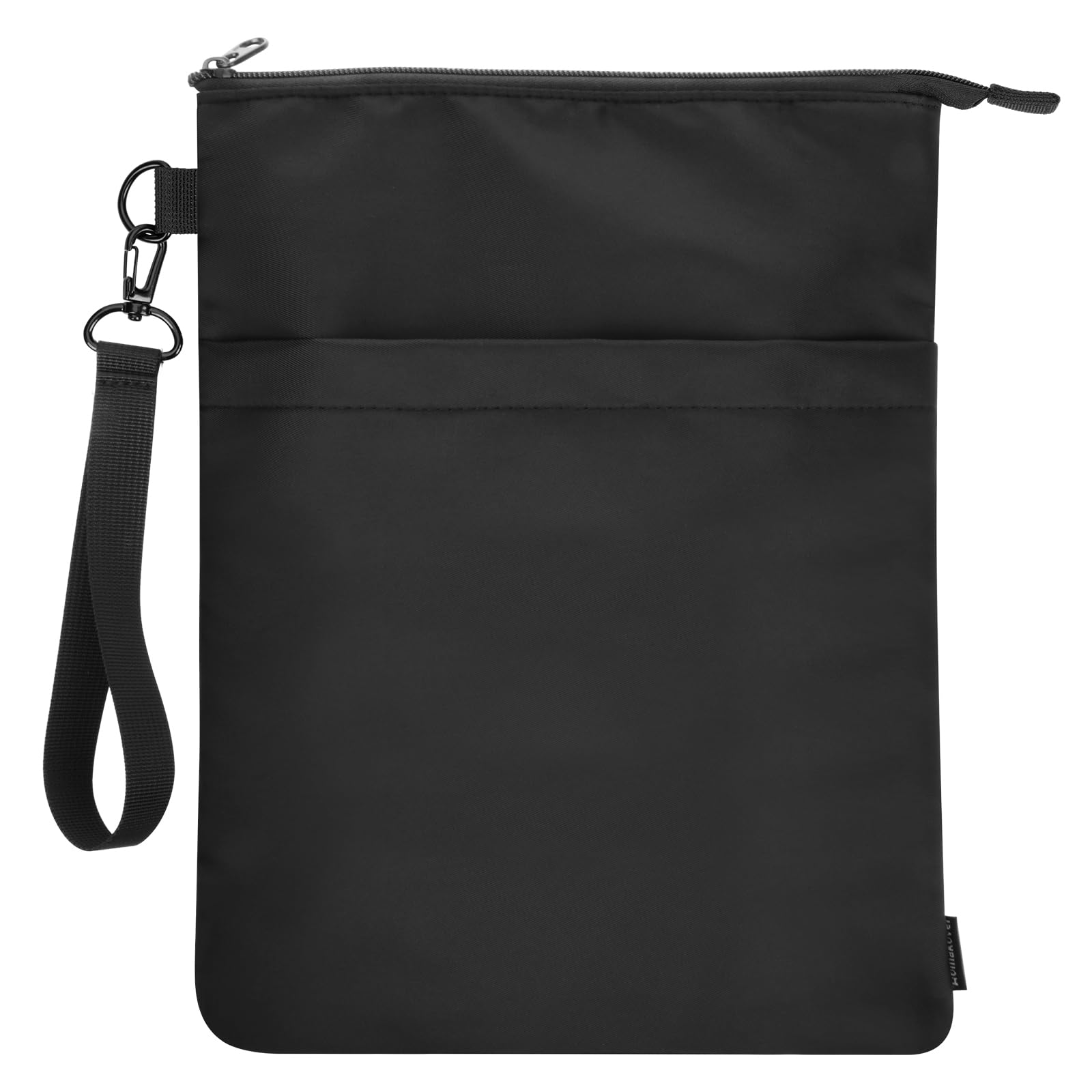
Zippered book sleeve
A padded, zippered sleeve that keeps a book's corners and spine safe inside a bag. Check the listing for the exact size, padding, and colors.
View on Amazon ↗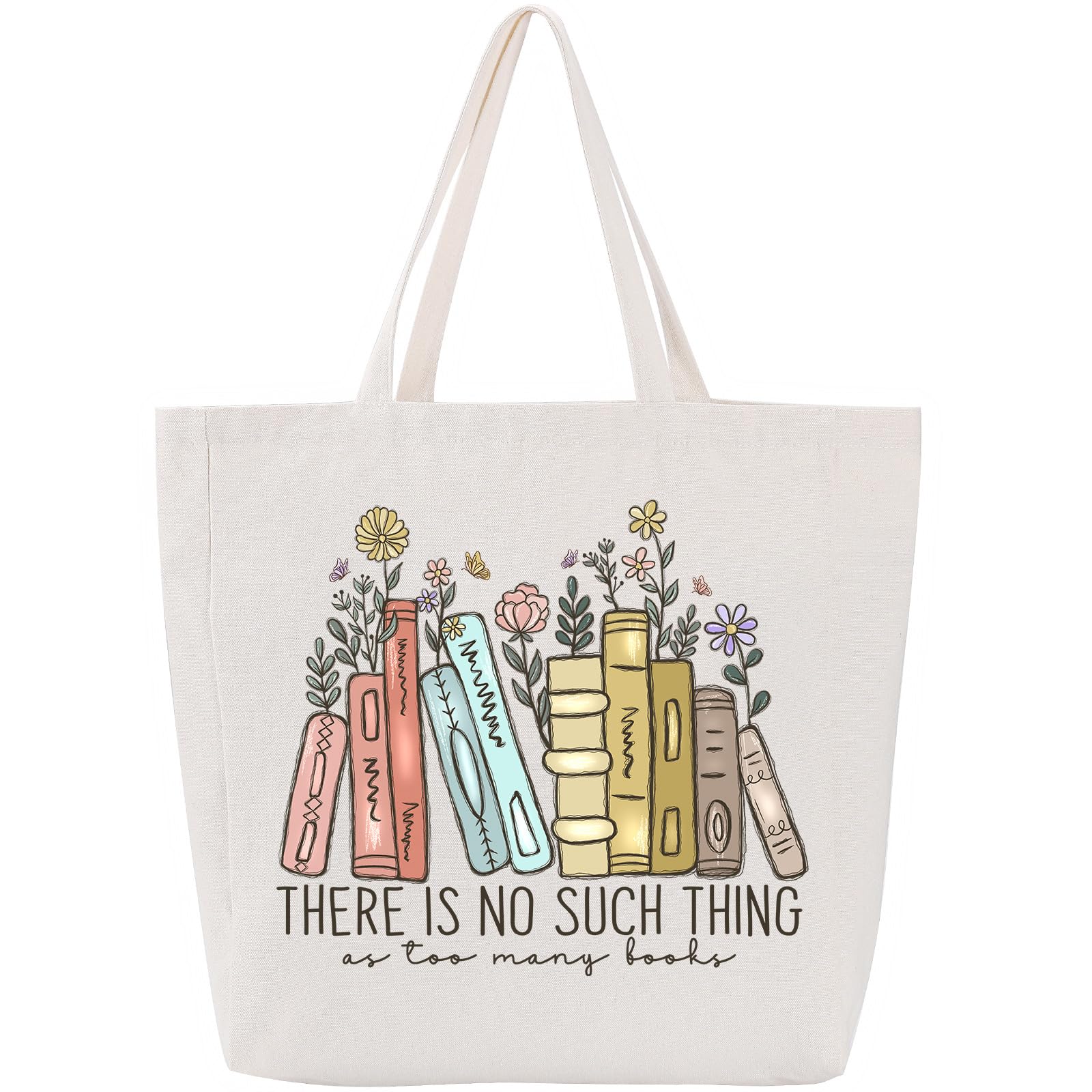
Canvas book tote bag
A canvas tote bag sized for carrying books to the library, the bookshop, or a club meeting. Check the listing for dimensions, strap length, and colors.
View on Amazon ↗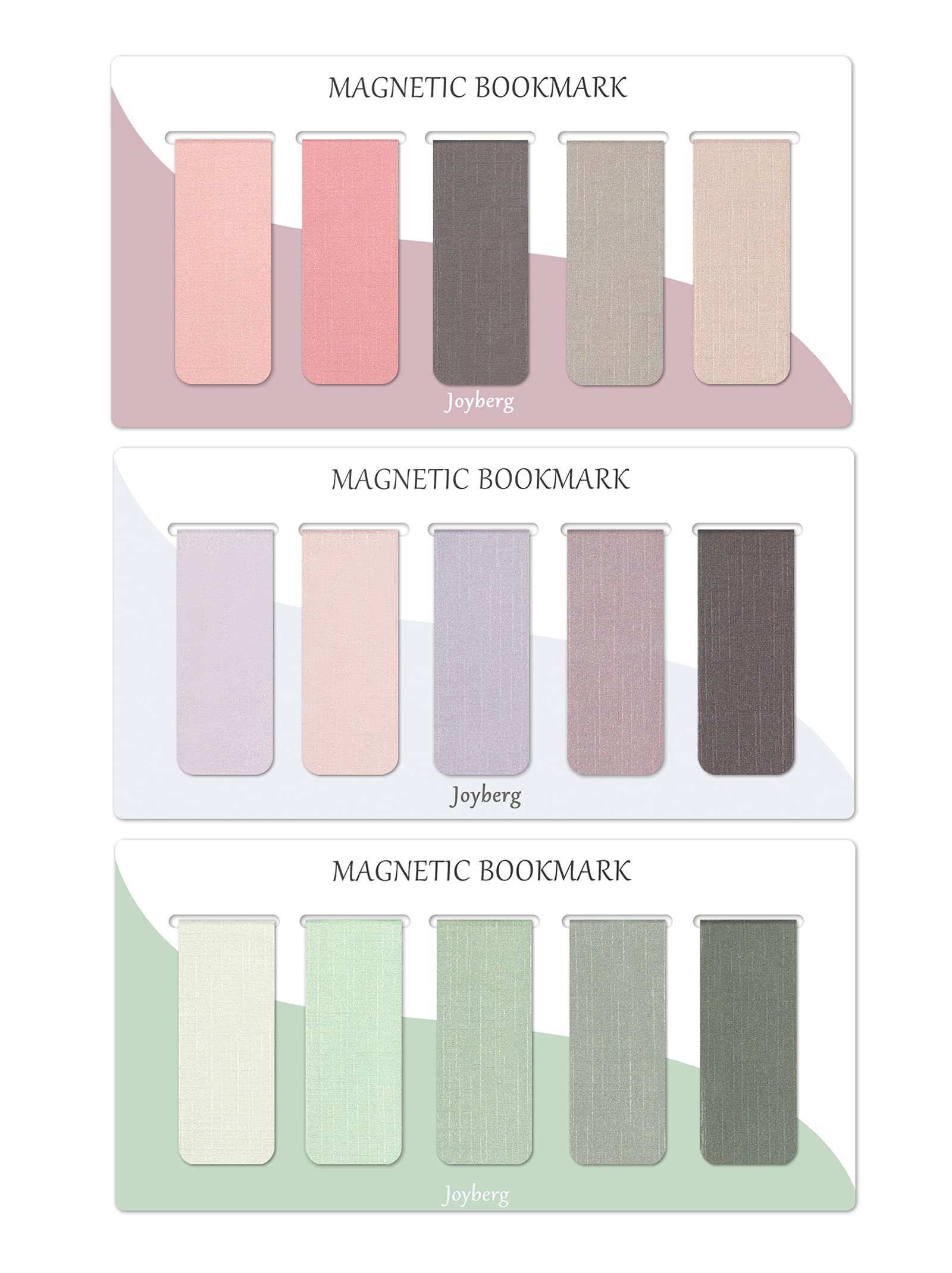
Magnetic bookmark set
A set of magnetic bookmarks that clip over the page and stay in place. Check the listing for designs, quantity, and availability.
View on Amazon ↗These are editorially selected examples, not universal recommendations. Re-check the live listing before buying.
Frequently asked questions
Should I organize alphabetically or by genre?
Genre first for most readers, because it matches how you choose a book. Alphabetical order helps inside a large genre group, but it is a poor starting point for a whole shelf.
Is organizing by color practical?
It works if you remember books by their covers, but finding a specific title takes longer. A good compromise is genre order with color flowing inside each group.
How do I organize a bookshelf in a small space?
Keep only current and next reads on the shelf, store the rest in a box or cupboard under the same system, and use shallow single rows so no book hides behind another.
What do I do with books I will never read again?
Give them away, sell them, or donate them. A book you will not reread is more useful in someone else's hands than on your shelf, and the freed space keeps the shelf working.
How often should I reorganize my bookshelf?
A full reorganization once a year is plenty. Between those, ten minutes a month of returning strays and pulling one unwanted book keeps the system intact.
Should I separate read and unread books?
Yes, if your unread pile keeps growing. A visible unread section shows what you intend to read and stops finished books from hiding the ones you still mean to open.
Where do I put children's books or shared books?
Give them their own low shelf or section, grouped the same way — by reader, then by series. Low shelves let children choose and return books themselves.
How do I keep heavy books from damaging the shelf?
Put heavy books low and upright, never stacked high or leaning at an angle. A leaning row slowly warps spines; bookends or a full row keep them straight.
Key takeaways
- Empty the shelf first; honest decisions are impossible in place.
- Genre first, author inside it, and one home per book.
- Keep unread books visible — and cap that shelf.
- Ten minutes a month keeps the system alive; a packed shelf kills it.
Useful Sources And Verification
This guide is original editorial guidance. For broader library and reading resources, verify details through Library of Congress, American Library Association, and New York Public Library. Books Club does not claim firsthand testing unless a page states it clearly.