

Pick a kind target — twelve books is a fine start — then read about twenty minutes most days, keep a short book going alongside a longer one, and count audiobooks. Quit books that bore you, take planned rest weeks, and track pages instead of chasing a streak.
At a glance: a year of reading in numbers
A year is long, which is good news: small daily amounts add up to a lot of books. Pick the row that feels comfortable, not the one that impresses anyone.
| Goal (books a year) | Pages a day | Minutes a day |
|---|---|---|
| 12 books | About 10 pages | About 15 minutes |
| 24 books | About 20 pages | About 25 minutes |
| 36 books | About 30 pages | About 35 minutes |
| 52 books | About 45 pages | About 50 minutes |
| 75 books | About 60 pages | About 70 minutes |
| 100 books | About 85 pages | About 90 minutes |
Start with a kind number
A reading target works when it pulls you forward instead of shaming you. Twelve books a year — one a month — is a real achievement for a busy adult, and twenty-four is ambitious for most people. Start with the number you would be quietly pleased to reach, not the number that looks good on a profile.
Your number should come from your own life, not from someone else's year. Count what you finished last year, then add a little — three or four books, not thirty. A target you can reach in October leaves room for a happy surprise in December; a target you miss in March turns reading into a debt.

Count pages, not just books
Books are not equal units. A 600-page novel and a 180-page novella both count as one book, so a target measured only in books pushes you toward short reads when you might want a long one. Count pages too, and the long book stops feeling like a delay.
A simple way to do it: keep one running total of pages read, and let the book count take care of itself. A week with a big novel still shows progress, and a week with two short books shows it too. The number that matters is the reading you did, not the shape of it.

Find twenty minutes a day
Twenty minutes a day is the engine of a bigger reading year. It is small enough to fit almost anywhere — before bed, over lunch, on the bus — and large enough to finish a 300-page book in about two weeks. Most readers who fail a yearly target fail on the daily habit, not on the books.
Attach the twenty minutes to something that already happens: the morning coffee, the commute, the last thing before sleep. A fixed moment beats willpower, because you do not have to decide when to read — you only have to open the book. Our guide to building a reading habit shows how to make that moment automatic.
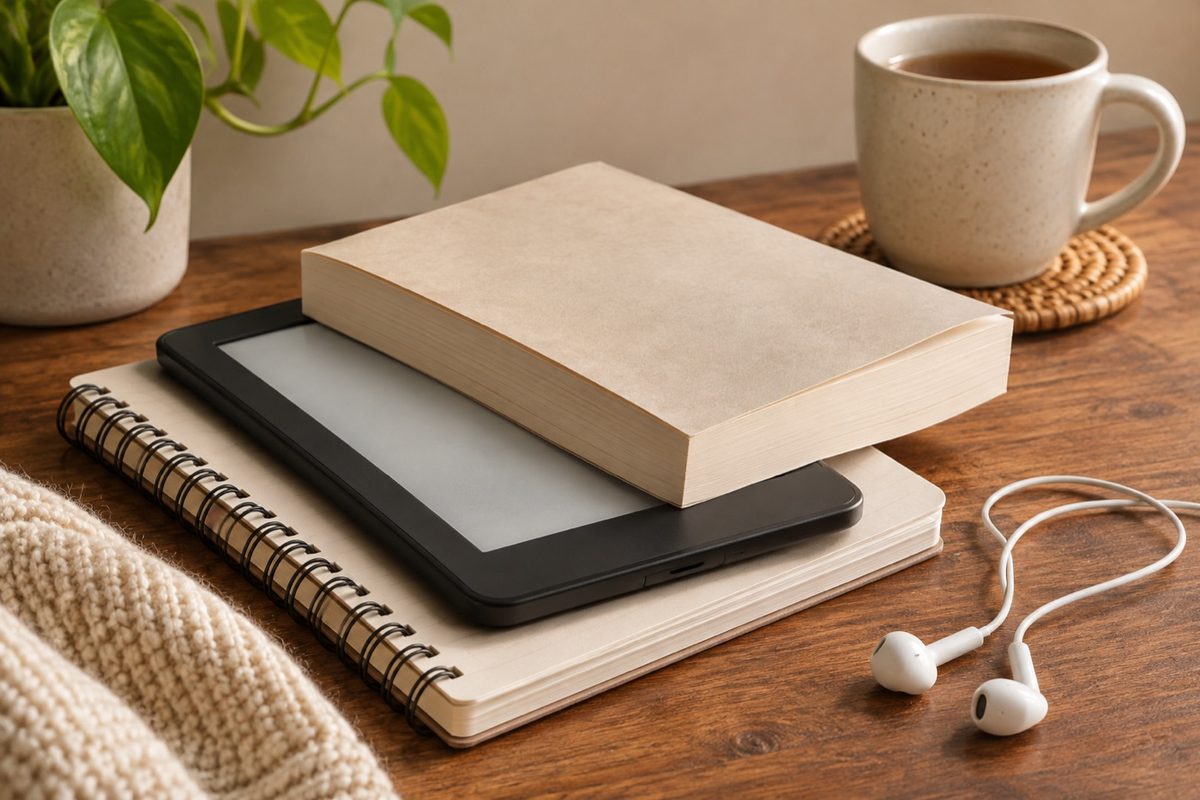
Keep a short book going
Every reading year needs short books. They finish quickly, they rebuild momentum after a slow month, and they are perfect for tired evenings when a long novel feels like too much. A short book finished is worth more than a long book abandoned on page forty.
Keep one short book in rotation at all times, alongside whatever longer book you are reading. When the long book stalls, the short one carries the week. Our guide to short books for busy weeks is a good place to find your next quick finish.

Let audiobooks count
Audiobooks are reading. They carry the same stories, the same ideas, and the same conversations afterward — they simply arrive through your ears while your hands are busy. A reader who listens on a commute or a walk can finish several extra books a year without finding a single extra hour to sit down.
Count them in your yearly total without guilt, and choose them well: a good narrator turns a decent book into a great listen, while a poor one can sink a book you would have loved on paper. Try a chapter before committing, and keep a paper book going for the times when listening is not possible.

Always carry a book
Reading years are won in the gaps: the ten minutes before an appointment, the delayed train, the queue that does not move. Readers who finish more books are rarely readers with more free time — they are readers whose book is always within reach when a gap appears.
Put a book in the bag you actually carry, and keep an e-reader or a reading app on your phone for the days you forget. Five stolen minutes, five days a week, is more than two hours of reading a month — and it costs nothing.

Quit books freely
The fastest way to read fewer books is to finish every book you start. A book that bores you for a hundred pages is not a test of character; it is a book occupying the time of three books you would love. Give a book fifty pages — or a fair hearing — then let it go without guilt.
Quitting is not failure; it is editing your reading year. The books you abandon teach you something too: what bores you, what you have outgrown, what to avoid next time. Note the reason in one line and move on to a book that earns your evening.

Plan rest weeks
Burnout does not arrive all at once — it arrives as a week of not reading, then a month, then a year you would rather forget. The cure is to plan rest before you need it: one lighter week a month, with short books, rereads, or no target at all. Rest is part of the plan, not a break from it.
A rest week is also the time to reread an old favorite. Rereading counts toward your year, and it reminds you why you read in the first place — which is exactly what a tired reader needs. If you want a gentler approach to the whole idea of targets, our guide to reading more without a streak explains how to read more without turning it into a chain you are afraid to break.

Track without a streak
Track your year in a way that forgives a missed day. A monthly page total, a list of finished books, or a simple note after each book — all of these show progress without punishing a gap. A streak, by contrast, turns one missed day into a reason to quit for a month.
Review the numbers once a month, not once a day. Ask two questions: did I read most days, and did I enjoy what I read? If both answers are yes, the year is working — whatever the count says. The method in our guide to remembering what you read keeps the books you finish with you long after the count moves on.

End the year strong
November and December decide most reading years. By then you know your pace, so set a small end-of-year goal: three books you genuinely want to finish, not ten you feel you should. Pick one short, one joyful, and one you have been meaning to read all year.
Finish the year with a book you loved, not a book you endured. A good last book sends you into January wanting more, and wanting more is the only resolution a reading year really needs. When you are ready to choose it, our lists of modern classics and feel-good books can help you pick the right final read.

Three small tools that help a reading year
None of these is required — a library card and twenty minutes a day are the real tools. But each one below removes a small friction that quietly costs readers books over a year.
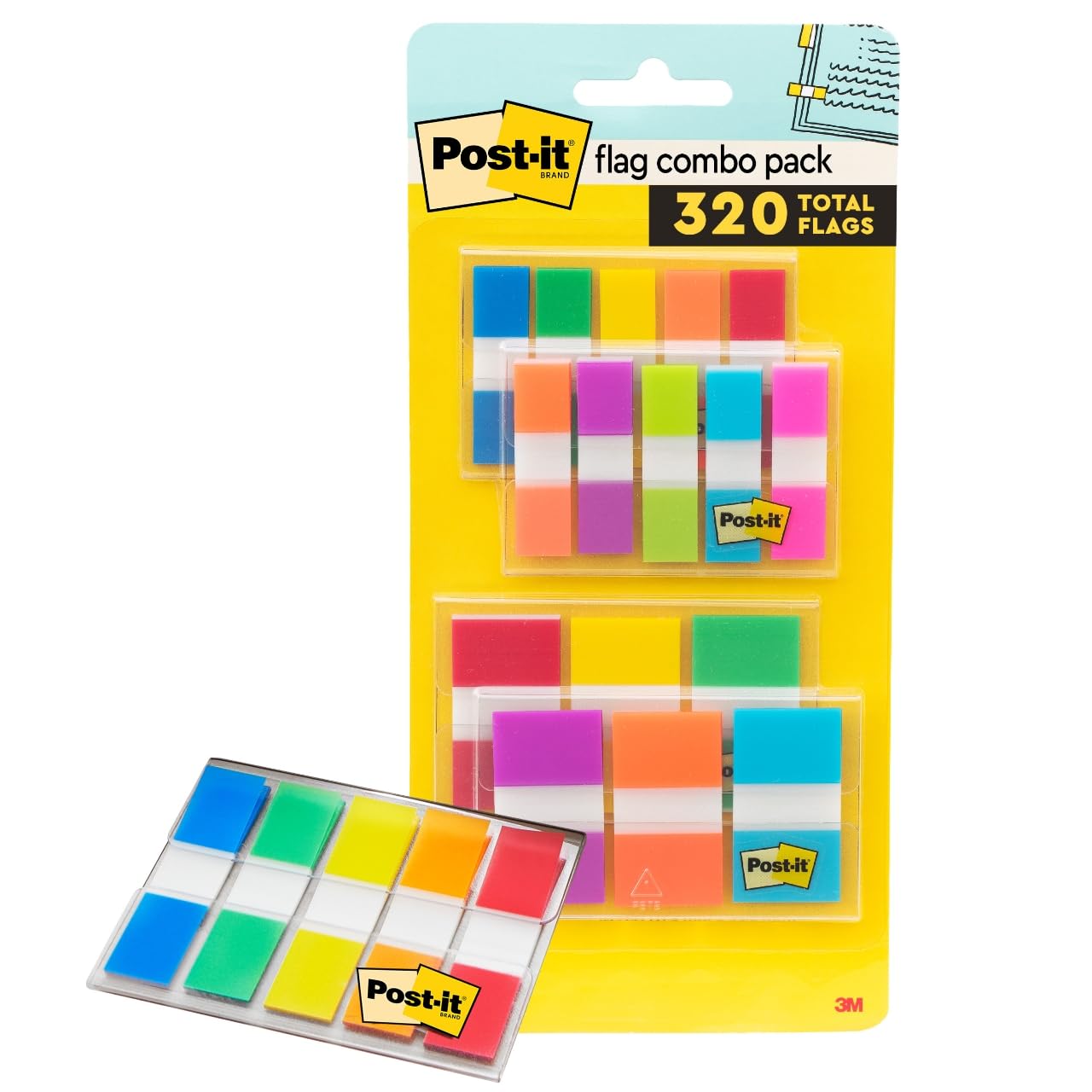
Post-it page flags
Multicolor page flags for marking passages, questions, and discussion points. Check the active pack and dimensions before buying.
View on Amazon ↗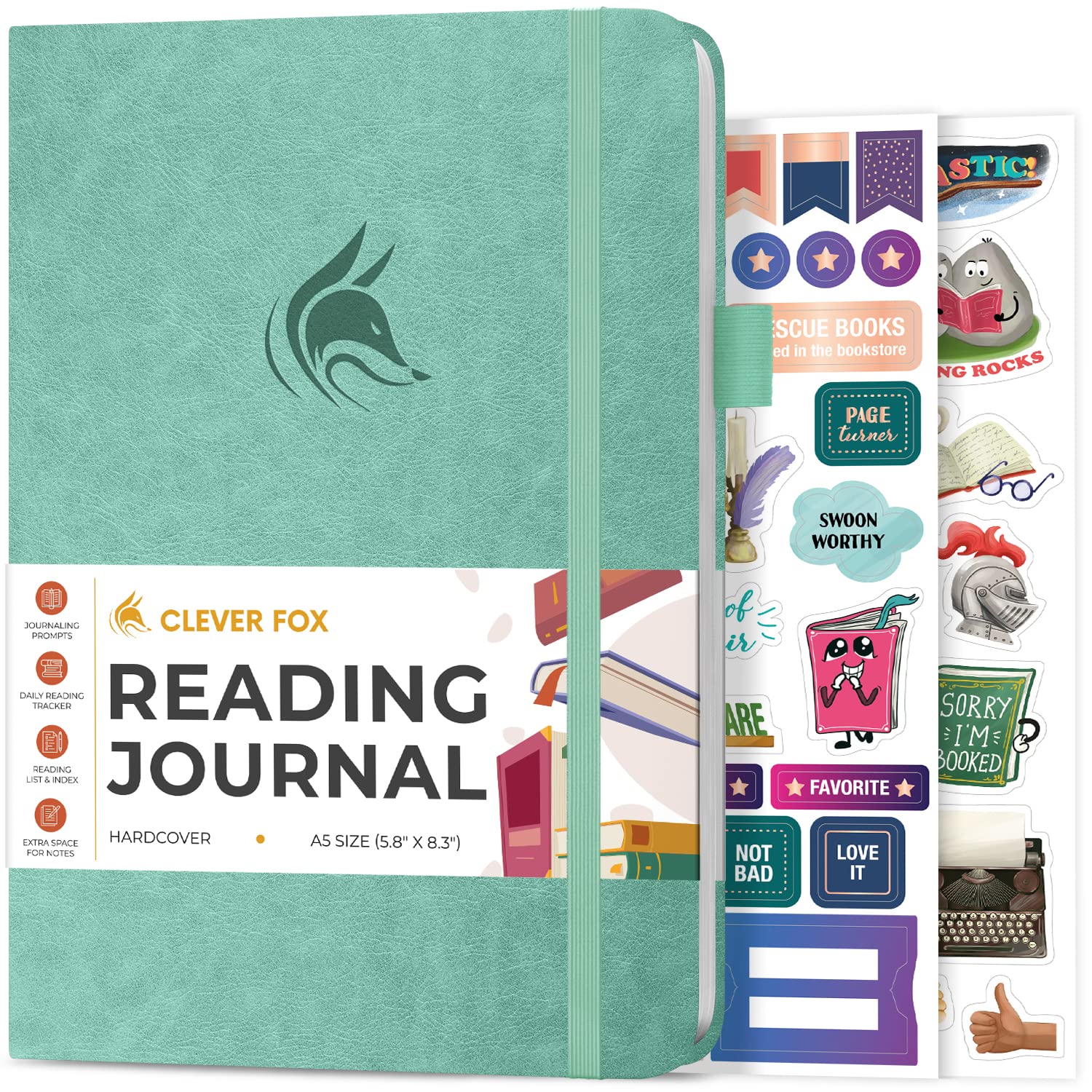
Clever Fox Reading Journal
The current listing describes a 5.8 x 8.3-inch reading journal and book-tracking log. It is a simple place to record your reactions after a few sessions.
View on Amazon ↗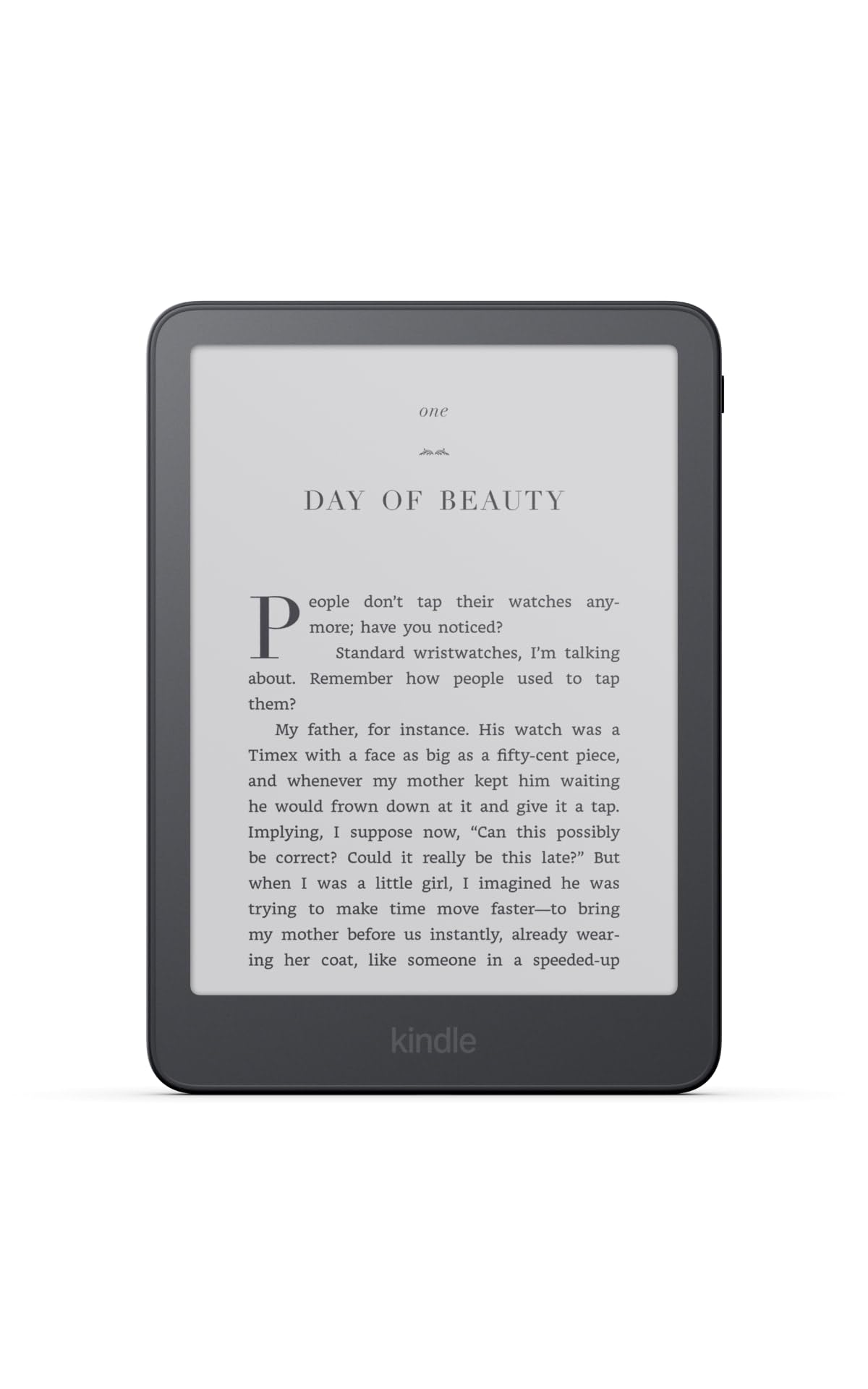
Kindle Paperwhite (newest model)
The current listing describes a 16GB Kindle Paperwhite with a 7-inch display and warm light. Check the listing for the exact color, ads setting, price, and availability.
View on Amazon ↗These are editorially selected examples, not universal recommendations. Re-check the live listing before buying.
Frequently asked questions
How many books should I aim to read in a year?
Start with twelve — one a month — and add a few if last year went well. A target you reach in October beats a target you abandon in March.
Do audiobooks count toward a yearly reading goal?
Yes. Audiobooks carry the same stories and ideas as print, and they let you read while commuting, walking, or doing chores. Count them without guilt.
Do rereads count toward my total?
Yes — a reread is still reading, and it often teaches you more the second time. Count it, and enjoy it; the goal is a good reading year, not a list of new titles.
What if I fall behind my target?
Recalculate instead of quitting. Short books, audiobooks, and a lighter month can close most gaps, and lowering the target is better than abandoning the year.
Should I quit a book that bores me?
Yes, after a fair hearing of about fifty pages. A boring book costs you the time of several books you would love. Note why you stopped and move on.
How do I read more without giving up my evenings?
You do not need more evenings — you need the gaps. Twenty minutes a day, plus the waiting time you already have, adds up to dozens of books a year.
Is a reading streak a good idea?
For some readers, yes; for most, no. A streak turns one missed day into a failure. Monthly totals and a finished-books list track progress without the pressure.
What is the best time of day to read?
Whenever it already fits your life — morning coffee, lunch, the commute, or before bed. A fixed moment you already have beats an ideal moment you never reach.
Key takeaways
- Pick a kind number — twelve is a fine start — and let the year surprise you.
- Twenty minutes a day finishes a 300-page book in about two weeks.
- Short books, audiobooks, and rereads all count; quitting boring books is editing, not failing.
- Plan rest weeks before you need them, and track monthly totals, not streaks.
Useful Sources And Verification
This guide is original editorial guidance. For broader library and reading resources, verify details through Library of Congress, American Library Association, and New York Public Library. Books Club does not claim firsthand testing unless a page states it clearly.