

Start with two pages a day at the same time and place, attach reading to something you already do, and keep the book where you can see it. Track small wins weekly, expect slumps, and let the habit grow slowly — a habit that survives a busy month is a habit that sticks.
At a glance: habit builders at each stage
A habit grows in stages. Do only the row you are on — the later rows take care of themselves once the early ones hold.
| Stage | What to do | Keep it tiny |
|---|---|---|
| Week 1 | Read two pages a day | Two pages, no more, no less |
| Week 2 | Fix the time and place | Same chair, same time, every day |
| Month 1 | Attach a trigger | After coffee, open the book |
| Month 2 | Track weekly wins | One line a week in a journal |
| Month 3 | Add a second session | Five minutes at lunch, if you like |
| Month 6 | Let it grow | Longer sessions happen by themselves |
Start tiny: two pages a day
Two pages a day sounds too small to matter, and that is exactly why it works. A goal this small has no excuse attached to it: you can read two pages while the kettle boils. And once the book is open, you will often read more — but the habit only ever asks for two.
Tiny starts also survive bad days. A habit that demands an hour dies on the first busy evening; a habit that asks for two pages survives almost anything. After a month of two pages, the reading is no longer a task you remember to do — it is a thing you do, the way you brush your teeth.

Same time, same place
Habits live in context. Reading at the same time, in the same chair, every day, teaches your brain that this moment means reading — and after a few weeks the chair itself does the reminding. Readers who read “whenever” usually read never; readers who read “after breakfast, in the armchair” usually read daily.
Pick the slot that already belongs to you: the twenty minutes after lunch, the half hour before bed, the quiet of the early morning. Defend it lightly — not with rules and guilt, but by treating it as an appointment with yourself. If the slot disappears for a day, the habit returns tomorrow at the same time, in the same place.

Attach reading to a trigger
A trigger is an event that already happens, with reading attached to it: after I pour my coffee, I open my book. After I sit on the train, I read two pages. The trigger removes the daily decision — you do not choose to read, you simply follow the sequence.
Choose a trigger that happens every day without fail, and keep the pairing small. Coffee works; brushing your teeth works; the moment the children are in bed works. What does not work is a trigger that depends on motivation, because motivation is the least reliable part of any day.

Make reading the easy choice
A habit sticks when the wanted action is the easiest one in the room. Keep your current book on the pillow, on the kitchen table, or on top of the remote — somewhere your hand finds it before your phone. Every bit of friction you remove is a day the habit survives.
Do the opposite for distractions: charge the phone in another room, close the extra tabs, put the television remote in a drawer for the evening. You do not need heroic willpower to read more — you need a book that is closer than the alternatives. Our guide to building a reading corner shows how a small, inviting spot makes the easy choice even easier.

Track small wins, weekly
Write down what you read, once a week, in one line: the book, the page you reached, and one sentence about it. A weekly note shows progress that daily counting hides — a slow week still adds up, and a finished book is a visible win. The record becomes its own reward.
Track gently. A journal entry that takes thirty seconds will still be there in six months; a spreadsheet that takes ten minutes will be abandoned by February. A reading journal gives the habit a home, and the notes in it make every finished book easier to remember — the method in our guide to remembering what you read explains why that matters.

Pair reading with pleasure
Attach reading to something you already enjoy: a favorite drink, a comfortable blanket, the good chair, ten minutes of quiet before the house wakes. The pleasure becomes part of the habit, and the habit starts to feel like a treat rather than a task.
This is not a trick — it is how habits actually form. The brain repeats what feels good, so give reading a good feeling to repeat. A reader who looks forward to the reading moment does not need discipline to return to it.

Protect the habit on busy days
Busy days are the real test of a habit, and the rule for them is simple: shrink it, do not skip it. Two pages instead of twenty, one paragraph instead of a chapter, a single page before sleep. A shrunken habit stays alive; a skipped habit has to be restarted.
Plan the busy days in advance. Travel, deadlines, and visitors are predictable — decide now what the tiny version looks like, so you are not deciding when you are tired. An e-reader or audiobook on your phone is the backup that makes a two-page day possible anywhere.

Expect slumps — and plan for them
Every reader hits a slump: a book that drags, a month that fills up, a week when nothing appeals. A slump is not a failed habit — it is a normal season of a reading life. The readers who keep reading are not the ones who never slump; they are the ones who know what to do when it happens.
Keep a slump kit ready: a short, funny book you have been saving, a reread of an old favorite, or a change of format — an audiobook for a while, or a book of short stories. And give yourself permission to read less for a week. The habit returns faster when the slump is allowed to pass than when it is fought with guilt.

Make it social
Habits last longer with other people in them. Tell a friend what you are reading, join a book club, or simply leave your current book where a housemate can see it and ask about it. A question — “how is that book?” — is a gentle reminder to keep going.
A book club is the strongest version of this: a date, a book, and people expecting you to have read it. If that sounds like a lot, start smaller — one friend, one book, one coffee a month. Our guide to starting a book club covers the first steps, and the habit grows faster when someone is waiting to talk about the ending.

Let the habit grow on its own
Once two pages a day is automatic, do not rush to make it twenty. Let the sessions grow when they want to — a chapter that ends on a cliffhanger, a quiet Sunday, a book you cannot put down. Growth that happens by itself stays; growth that is forced collapses.
After a few months, look back at what the habit has become: books finished, evenings enjoyed, conversations started. That is the real payoff — not a number, but a life with more reading in it. If you want to turn the habit into a bigger year, our guide to reading more books in a year shows how to set a kind target on top of the habit you have already built.

Three small tools that support the habit
A habit needs a book, a moment, and a place — nothing more. These three tools only help if they make the moment easier: a bookmark that holds your place, a marker for the line to remember, and a light for the last pages of the day.
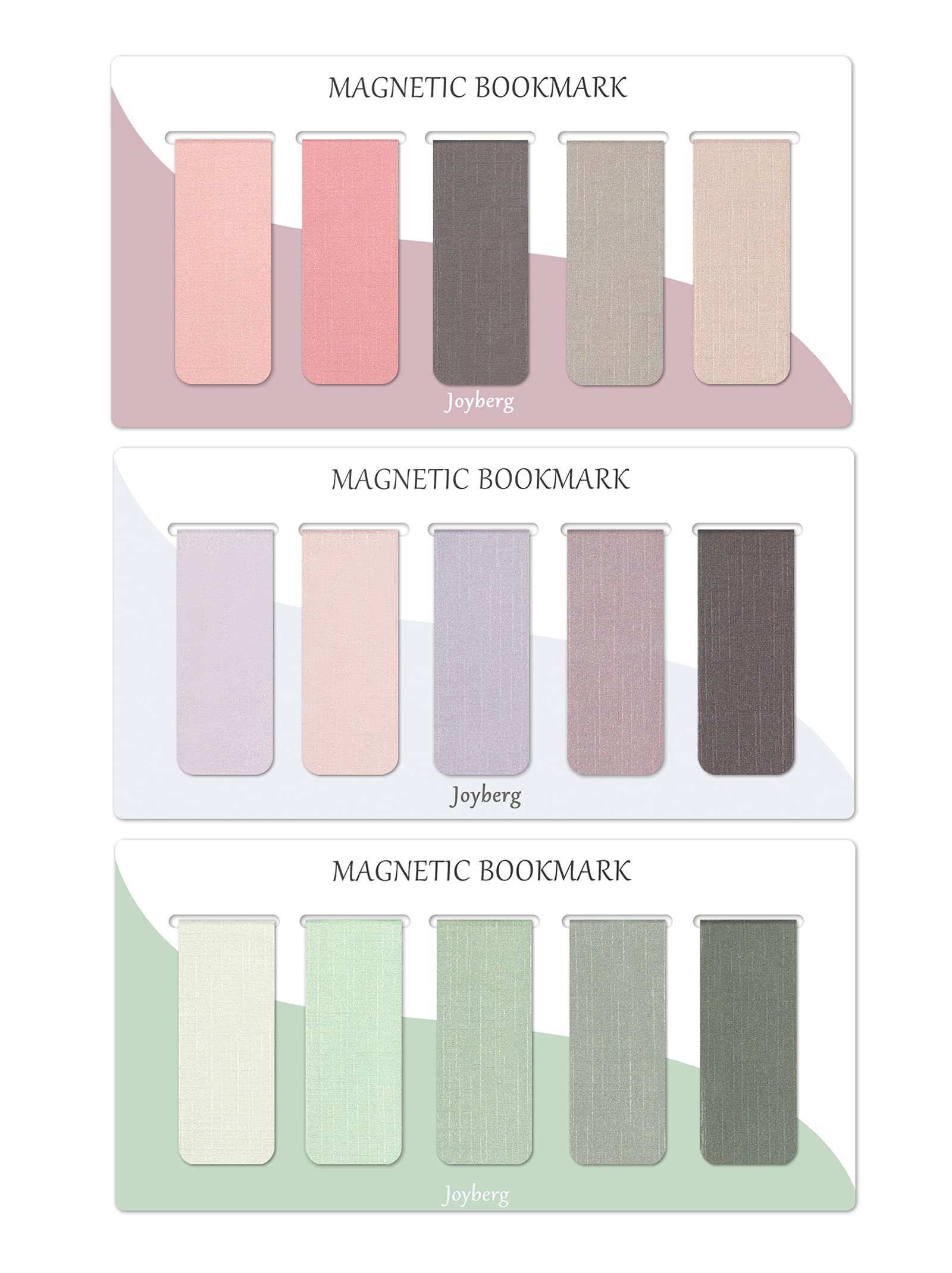
Magnetic bookmark set
A set of magnetic bookmarks that clip over the page and stay in place. Check the listing for designs, quantity, and availability.
View on Amazon ↗
Book Darts line markers
Small metal line markers that point at a single line without marking the page. Check the listing for finish, quantity, and availability.
View on Amazon ↗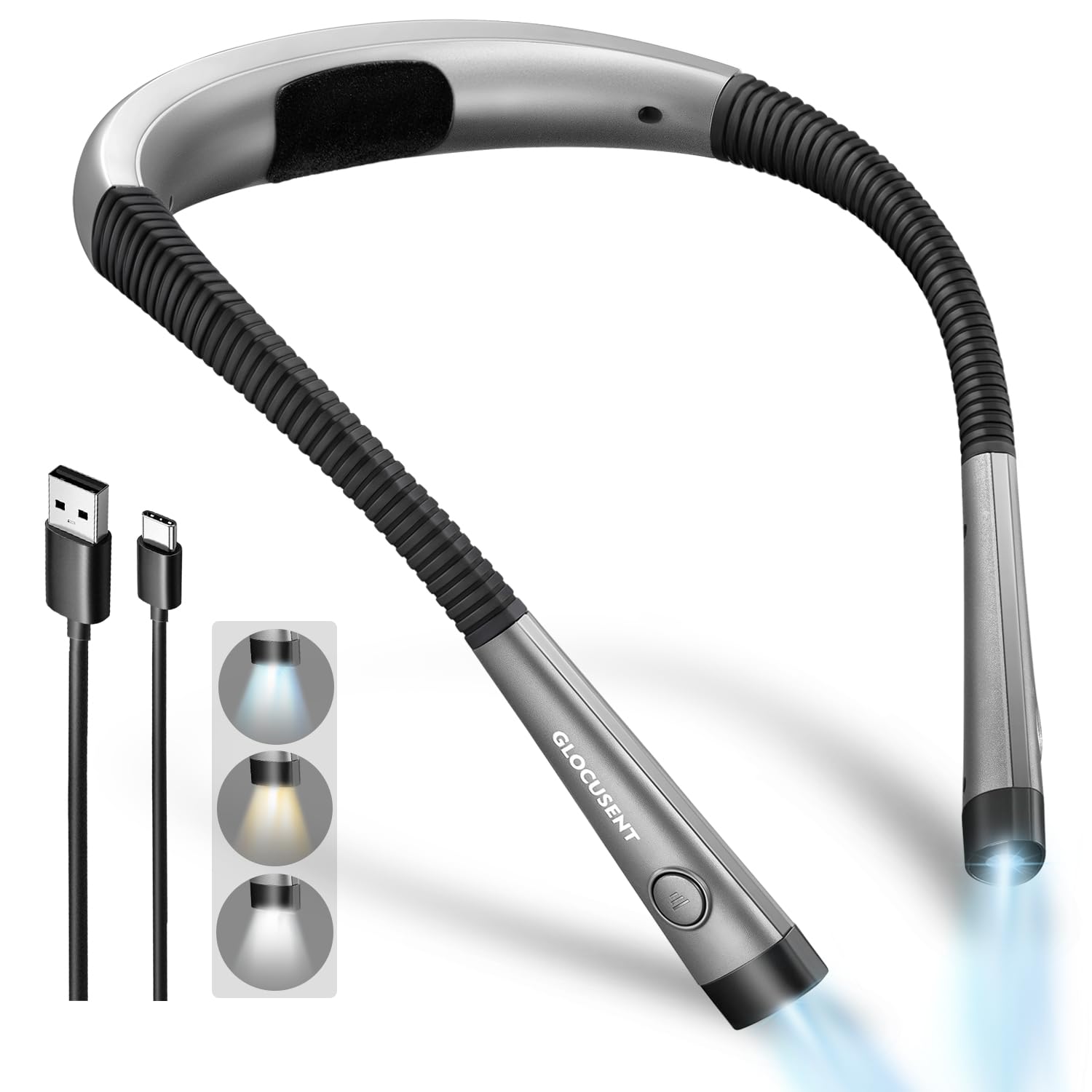
Glocusent reading light
The current listing describes a bendable neck light with multiple color and brightness settings and rechargeable use. Check the active variant before buying.
View on Amazon ↗These are editorially selected examples, not universal recommendations. Re-check the live listing before buying.
Frequently asked questions
How long does it take to build a reading habit?
Expect a few weeks for the habit to feel automatic, and a few months for it to feel like part of your day. Small, daily actions build faster than big, occasional ones.
How many pages a day should I start with?
Two pages. It sounds tiny, and that is the point — a goal this small survives busy days, and you will often read more once the book is open.
What is the best time of day to read?
The time that already belongs to you — morning coffee, lunch, the commute, or before bed. A fixed moment beats an ideal moment you never reach.
What if I miss a day?
Nothing happens. Read two pages the next day at the usual time. A habit is built by returning, not by never missing — one missed day is not a broken habit.
Should I track my reading every day?
Track weekly, not daily. One line a week — book, page, one sentence — shows progress without turning reading into paperwork.
How do I get back into reading after a long break?
Start with something short and enjoyable, read two pages a day at a fixed time, and give yourself a week before judging. A reread of a favorite works well too.
Do audiobooks help build a reading habit?
Yes. Listening counts as reading, and it lets you read while walking, commuting, or doing chores — moments when a paper book is hard to hold.
Is it better to read one book at a time?
For a new habit, yes — one book keeps the habit simple. Later, many readers keep a short book alongside a longer one, so there is always something that fits the moment.
Key takeaways
- Start with two pages a day — too small to fail, big enough to grow.
- Same time, same place, attached to a trigger you already have.
- Shrink the habit on busy days instead of skipping it.
- Track weekly wins, expect slumps, and let the habit grow on its own.
Useful Sources And Verification
This guide is original editorial guidance. For broader library and reading resources, verify details through Library of Congress, American Library Association, and New York Public Library. Books Club does not claim firsthand testing unless a page states it clearly.