

November 9 is worth reading if you like emotional contemporary romance with a twist and a trust problem at its centre. Fallon and Ben meet once a year, Ben turns the meetings into a novel, and his secret makes the ending arguable. Skip it if explicit scenes or suicide-related themes are a hard no.
At a glance: the verdict
The short version first: what the book is, what it does well, and where readers may object.
| Question | Short answer |
|---|---|
| What is it? | A standalone contemporary romance built around annual November 9 reunions. |
| Who leads it? | Fallon O'Neil, an aspiring actress, and Ben, an aspiring novelist. |
| What is the hook? | They meet once a year for five years, with no contact in between. |
| What is the risk? | Ben's secret makes the romance a trust test, not just a love story. |
| How explicit is it? | Adult romance with explicit sexual content and strong language. |
| What are the warnings? | Burns and body image, grief, family failure, abuse themes, and suicide. |
| Is it book-club friendly? | Yes, if the group can discuss secrecy, forgiveness, and authorship. |
What is November 9 about?
November 9 is a standalone contemporary romance about Fallon O'Neil and Ben, who meet in Los Angeles on the day before Fallon moves to New York. They spend her last day together, then agree to meet every November 9 for five years with no contact in between. Ben, an aspiring novelist, turns their meetings into a book, which makes the romance charming and ethically uneasy at the same time.
The premise is simple enough to explain in one sentence, but the emotional stakes are not. Fallon is rebuilding confidence after a fire left visible scars, while Ben carries a secret that changes how the reader understands their first meeting. That tension — tenderness on the surface, concealment underneath — is the novel's engine.

How does the once-a-year structure work?
The once-a-year structure works by turning each reunion into a pressure test. Fallon and Ben get one day to show who they have become, then a year of silence in which the reader must imagine the life between meetings. The gaps create momentum because every reunion begins with change: new work, new relationships, new wounds, and the same unresolved attraction.
It also creates the book's main risk. Some years feel fuller than others, and readers who want continuous relationship development may find the jumps abrupt. But the structure is not a gimmick pasted onto a normal romance; it forces the characters to keep choosing each other without the comfort of everyday contact.

Who are Fallon and Ben?
Fallon is an aspiring actress whose confidence has been damaged by a house fire and by a father who failed to protect her. Ben is an aspiring novelist whose charm arrives quickly, but whose role as writer makes him harder to trust: he is both participant and narrator of the experiment. Their chemistry is immediate, while their honesty is not.
That imbalance gives the novel its bite. Fallon is trying to become visible again without letting other people define her scars; Ben is trying to turn experience into art without admitting what the art costs. Readers who like flawed leads will find plenty to argue about, especially once Ben's secret reframes his tenderness.

Is November 9 a light romance?
No, November 9 is not a light romance, even though its dialogue is flirtatious and fast. The book deals with burns and body image, grief, family failure, secrecy, and the aftershock of suicide, so the emotional weather is heavier than the premise suggests. It is better described as an emotional contemporary romance with a high-concept hook.
That heaviness is why the book divides readers. Some value the way Hoover keeps returning to Fallon's self-image rather than treating the scars as a plot decoration. Others find the late revelations too engineered. Either way, it should not be handed to a reader expecting a cosy, low-stakes love story.

What works best in November 9?
The strongest element is the collision between romance and authorship. Ben is not only falling for Fallon; he is collecting her, shaping her, and possibly using her, and the novel keeps asking whether a true feeling can survive being turned into material. That question gives the annual meetings a second layer beyond will-they-or-won't-they.
Hoover's pace also works. The dialogue is direct, the chapters move quickly, and the date structure gives the reader a clean reason to keep going: one more November 9, one more version of these people. For a book-club discussion, what makes a good book-club book explains why that kind of arguable premise matters.

What may frustrate readers?
The main frustration is trust. Ben's secrecy can feel romantic to readers who accept the twist as part of Hoover's design, and manipulative to readers who think the book asks for forgiveness too quickly. The novel wants the reader to hold two ideas at once — Ben's love may be real, and his conduct may still be wrong — but not every reader will accept that balance.
The annual structure can also frustrate readers who want more ordinary relationship texture. We see the charged days, not the long middle where trust is normally built. If that absence bothers you, the book may feel clever rather than intimate; if you like pressure-cooker romance, it will feel propulsive.

How spicy is November 9, and what should readers know first?
November 9 contains explicit sexual content, strong language, and substantial themes of abuse, grief, and suicide. It is an adult contemporary romance, not a young-adult novel, even though the leads are young and the premise sounds playful. Readers who avoid on-page sex or suicide-related storylines should check a content guide before starting.
The content is not incidental. Fallon's scars, her father's failure, and Ben's secret all shape the romance, so skipping the hard material would remove much of the book's meaning. For readers who need a gentler Hoover entry point, the emotional intensity here is closer to a tearjerker than a beach read.

Does the twist make the ending stronger or weaker?
The twist makes the ending stronger if you read the novel as a story about narrative control. Ben's secret forces Fallon — and the reader — to ask whether a love story can be trusted when one person has been editing the facts. The ending therefore becomes less about the calendar trick and more about whether Fallon can reclaim the story of her own body and past.
It makes the ending weaker if you need the romance to feel cleanly earned. Some readers will see the revelation as the point; others will see it as a betrayal the book tries to redeem too fast. That disagreement is exactly why November 9 remains discussable years after its November 10, 2015 publication. Readers who reread for clues can use remembering what you read to track which early scenes change meaning later.

Who should read November 9, and who should skip it?
Read November 9 if you like emotional contemporary romance, annual-reunion premises, writer characters, and endings that invite argument. It is a good pick for readers who enjoy Colleen Hoover's direct style and want a standalone rather than a series. The Atria trade paperback is listed at 310 pages, so it is a manageable weekend read for most romance readers.
Skip it if you dislike secret-keeping heroes, explicit scenes, or storylines involving suicide and family trauma. Skip it also if you want a slow, realistic relationship build; this novel prefers charged reunions to domestic detail. If you are choosing by mood rather than author, choosing your next book in ten minutes can help you test the fit.

Is November 9 a good book-club pick?
Yes, November 9 is a good book-club pick if the group is comfortable with adult romance and difficult themes. The discussion questions write themselves: Was Ben's book an act of love or exploitation? Does Fallon forgive too much? Can a relationship built on one day a year ever be honest? Those questions are stronger than a simple star-rating debate.
Our verdict is a qualified recommendation. November 9 is not Hoover's gentlest romance, and it is not for readers who need the hero's conduct to be clean. But its premise, pace, and final trust test make it memorable, arguable, and easy to finish — three qualities a book club can use. For a group still forming, how to start a book club gives a practical first-meeting structure.

Buy or borrow November 9
If the premise sounds like your kind of emotional pressure, start with November 9 itself. The second card is a read-next option for readers who want another layered story about fame, secrecy, and a woman controlling her own narrative.
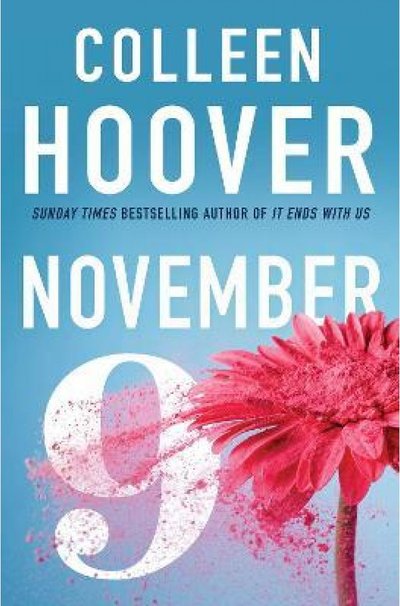
November 9
The Atria trade paperback of Colleen Hoover's standalone annual-reunion romance. Check the listing for the exact edition, format, and availability.
View on Amazon ↗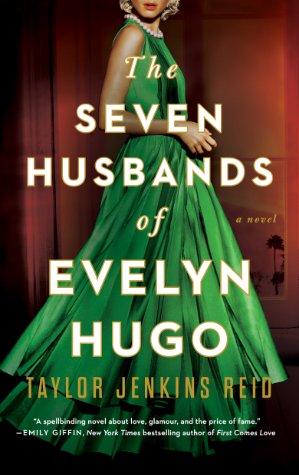
The Seven Husbands of Evelyn Hugo
A layered read-next about fame, secrecy, ambition, and a woman telling her story on her own terms. Check the listing for the exact edition, format, and availability.
View on Amazon ↗These are editorially selected examples, not universal recommendations. Re-check the live listing before buying.
Frequently asked questions
What is November 9 by Colleen Hoover about?
Fallon O'Neil meets aspiring novelist Ben on her last day in Los Angeles. They agree to meet every November 9 for five years with no contact in between, while Ben turns their meetings into a novel and hides a secret that changes the romance.
Is November 9 a standalone novel?
Yes. November 9 is a standalone contemporary romance, not part of a series. Readers can start and finish Fallon and Ben's story in one book without reading another Colleen Hoover title first.
How long is November 9?
The Atria trade paperback edition is listed at 310 pages. Page counts can vary by edition and format, so check the listing if length matters to your reading plan.
Is November 9 spicy?
Yes. November 9 is an adult romance with explicit sexual content and strong language. It also deals with burns, body image, grief, family failure, abuse themes, and suicide, so it is not a light or cosy romance.
Does November 9 have a twist?
Yes. Ben's secret reframes the annual meetings and turns the ending into a question about trust, authorship, and forgiveness. Readers who dislike secret-keeping heroes may find the twist frustrating rather than romantic.
Is November 9 a good book-club book?
Yes, for a group comfortable with adult romance and difficult themes. The best discussion questions concern Ben's book, Fallon's forgiveness, and whether a once-a-year relationship can ever be honest.
Who should skip November 9?
Skip it if explicit scenes, suicide-related storylines, or a hero who keeps major secrets are hard limits for you. Also skip it if you want a slow, realistic relationship build rather than charged annual reunions.
What should I read after November 9?
Try The Seven Husbands of Evelyn Hugo if you want another layered story about secrecy and a woman controlling her narrative. Choose a gentler contemporary romance if you want the emotional hook without the same trust problem.
Key takeaways
- November 9 is a standalone emotional romance, not a light cosy read.
- The annual structure creates pressure, but Ben's secrecy is the real engine.
- Content warnings matter: explicit sex, grief, abuse themes, and suicide are substantial.
- The twist makes the book arguable, which is why it works for book clubs.
- Read it for emotional pressure and authorship questions, not for a clean hero.
Useful Sources And Verification
This guide is original editorial guidance. For broader library and reading resources, verify details through Library of Congress, American Library Association, and New York Public Library. Books Club does not claim firsthand testing unless a page states it clearly.