

Yes, The Wager is worth reading if you like true stories told like thrillers. David Grann's narrative history, published by Doubleday on April 18, 2023, follows the 1741 wreck of HMS Wager, the mutiny that followed, and the court martial that judged the survivors.
At a glance: the verdict
The short version first, for readers deciding in under a minute.
| Question | Short answer |
|---|---|
| Is it worth reading? | Yes, one of the strongest narrative histories of recent years |
| Is it fiction? | No, it is documented history told as a story |
| When did it happen? | HMS Wager wrecked in 1741 off the Patagonian coast |
| Is it dense? | No, it reads like a thriller with short chapters |
| Good for book clubs? | Yes, the mutiny question divides every group |
| Author's other famous book? | Killers of the Flower Moon |
What is The Wager about?
The Wager is about HMS Wager, a Royal Navy warship wrecked on a desolate island off Patagonia in 1741 during Commodore George Anson's voyage against Spanish shipping. The survivors, starving and leaderless in spirit, split into factions, and one group seized the remaining boats and sailed away.
Grann follows both factions: the men who mutinied and the captain's party left behind. When survivors eventually reached England, each side accused the other of treason, and the Admiralty had to decide who was telling the truth. Readers who enjoy real stories with a novel's shape will also like our best audiobooks picks for long journeys.

Is The Wager a true story?
Yes, The Wager is a true story built from logs, journals, letters, and court-martial records. Grann reconstructs events from the competing accounts the survivors themselves wrote, which is why the book can show the same days from opposing sides.
The central facts are documented: the wreck in 1741, the breakdown of discipline, the mutiny, and the Admiralty court martial in 1746. Where sources disagree, Grann shows the disagreement instead of hiding it, and that honesty is part of the book's power.

Does it read like a novel?
Yes, it reads like a novel because Grann structures it as escalating survival drama rather than a chronicle. Short chapters, cliffhanger scene breaks, and close attention to individual sailors keep the pace closer to a thriller than a textbook.
The difference from fiction is restraint: Grann does not invent dialogue or interior thoughts he cannot source. The result feels cinematic without feeling fabricated. If you like to track names and factions as you go, annotating key pages helps in the crowded middle chapters.
How accurate is it?
The Wager is considered accurate because Grann works directly from primary sources and flags uncertainty where the record conflicts. He is the author of Killers of the Flower Moon, and the same source discipline shows here: claims are tied to documents, not legend.
Readers should still remember that the surviving sources were written by men defending themselves. Grann makes that bias part of the story, so the book teaches you to weigh testimony while you read. That double layer, event and evidence, is what lifts it above a simple adventure retelling.

Is it hard to read?
No, it is not hard to read, because Grann explains naval terms as he uses them and keeps the cast anchored to a few central figures. The captain, David Cheap, and midshipman John Byron, grandfather of the poet Lord Byron, give readers steady points of view.
The hardest stretch is the survival middle, where hunger and cold slow everything down. That slowness is deliberate and it makes the mutiny land harder. Readers who prefer shorter commitments can compare it with the picks in books for a long flight before starting.

Is it a good book club pick?
Yes, it is an excellent book club pick because the mutiny question has no comfortable answer. Were the men who seized the boats mutineers or survivors escaping a captain who had lost control? Every group splits on it, which is exactly what a discussion needs.
It also rewards groups that like debating evidence, since the final chapters turn on whose written account to believe. Our guide to what makes a good book club book lists the same qualities: a moral dilemma, a clear arc, and an ending worth arguing about.

What should readers know before starting?
Readers should know the book contains starvation, disease, violence between survivors, and death at sea, described plainly rather than sensationally. The suffering is central to the story, so it cannot be skipped without losing the plot.
The tone stays controlled even in the worst passages, and Grann focuses on decisions more than gore. Readers sensitive to survival suffering may still find the island chapters heavy. Knowing that in advance helps you pace the hard chapters instead of being ambushed by them.

Who should read it, and who should skip it?
Read it if you like survival stories, naval history, courtroom drama, or any true story where the sources themselves become part of the plot. It suits readers who finished Killers of the Flower Moon and want the same narrative control on a new subject.
Skip it if you want light, escapist reading, because the island chapters are grim by design. Readers who dislike large casts may also prefer a single-protagonist memoir. For a gentler true-story evening, our cozy night in picks are a softer landing.

What does the reading experience feel like?
The reading experience feels like watching a slow-motion disaster you cannot stop. Grann builds the ship's world carefully, then lets hunger, cold, and wounded pride do the damage, so the mutiny feels both shocking and inevitable.
The final movement, back in London, changes the question from survival to truth. By then you have your own verdict, and the court martial tests it. That structure makes the book linger after the last page, a hallmark of a strong book club selection.

What is the final verdict?
Our verdict is a strong recommendation: The Wager is narrative history at its best, a documented 1741 disaster told with a novelist's pace and a journalist's discipline. It earns its place beside Grann's earlier work.
Pick it up if you want a true story that reads like a thriller and ends in a courtroom. Readers who want fiction with the same secrets-and-survival tension can continue with The Last Thing He Told Me.

Where to get it, and what to read next
Start with Grann's account, then try a classic written by a man who also turned letters home into literature.
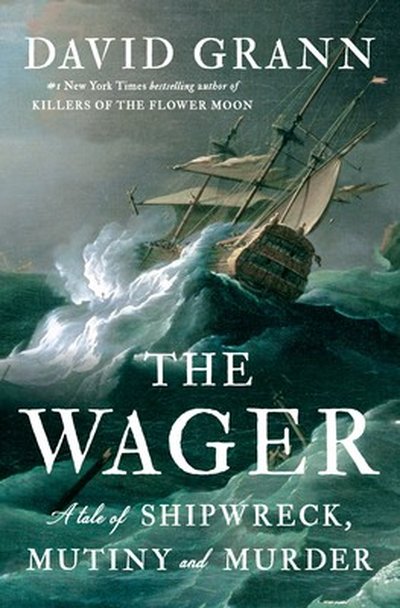
The Wager by David Grann
David Grann's account of the 1741 HMS Wager wreck, the mutiny, and the court martial that followed.
View on Amazon ↗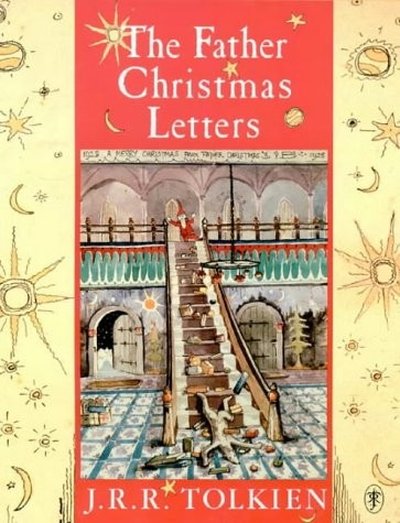
Letters from Father Christmas by J.R.R. Tolkien
J.R.R. Tolkien's illustrated letters home, a gentler example of history surviving through personal writing.
View on Amazon ↗Both books are built from real letters and records, read in very different moods.
Frequently asked questions
Is The Wager based on a true story?
Yes. HMS Wager wrecked off Patagonia in 1741, and Grann reconstructs the wreck, mutiny, and 1746 court martial from logs, journals, and trial records.
Who wrote The Wager?
David Grann, the author of Killers of the Flower Moon. Doubleday published The Wager on April 18, 2023.
Is John Byron in The Wager related to Lord Byron?
Yes. Midshipman John Byron, one of the survivors whose account Grann uses, was the grandfather of the poet Lord Byron.
Does The Wager read like a novel?
Yes, it is paced like a thriller with short chapters, but Grann does not invent dialogue or thoughts he cannot source.
Is The Wager too violent or grim?
It describes starvation, disease, and violence between survivors in plain language. The suffering is central, though the tone stays controlled rather than sensational.
What happened at the Wager court martial?
The Admiralty tried the surviving officers in 1746, and the rival factions accused each other of mutiny and failure. Grann's final chapters weigh their competing written accounts.
Is The Wager good for book clubs?
Yes. The question of whether the boat seizure was mutiny or survival divides most groups, and the evidence debate gives the discussion a second layer.
What should I read after The Wager?
Try Killers of the Flower Moon for Grann's other major narrative history, or a secrets-driven novel such as The Last Thing He Told Me.
Key takeaways
- Documented 1741 shipwreck and mutiny, told like a thriller
- Built from logs, journals, and court-martial records
- The mutiny question makes it a natural book club pick
- Grim survival chapters, told without sensationalism
- From the author of Killers of the Flower Moon
Useful Sources And Verification
This guide is original editorial guidance. For broader library and reading resources, verify details through Library of Congress, American Library Association, and New York Public Library. Books Club does not claim firsthand testing unless a page states it clearly.