Start with a book you love, or a title famous for its narration: Project Hail Mary, read by Ray Porter, or The Midnight Library, read by Carey Mulligan. Borrow free from your library with Libby, or try Audible for the widest choice — then listen at 1.25x speed, download before you travel, and set a sleep timer at night.
At a glance: the best audiobooks by mood
Start here and match the pick to your mood — or to the service you already use. Every title below is famous for its narration, not just its story.
| Pick | Best for | Why it stands out |
|---|---|---|
| The Midnight Library | Warm, hopeful fiction | Carey Mulligan reads it with calm warmth |
| Project Hail Mary | Funny, gripping sci-fi | Ray Porter won the 2022 Audie for it |
| Gone Girl | A thriller that keeps you guessing | Two narrators, one for each voice |
| Born a Crime | A memoir read by its author | Trevor Noah voices every accent himself |
| Dune | A huge epic, done as a full cast | A different actor for nearly every voice |
| The Dutch House | Literary fiction, beautifully read | Tom Hanks narrates Ann Patchett's novel |
| Harry Potter | A classic to revisit | Jim Dale in the US, Stephen Fry in the UK |
| Educated | A memoir that stays with you | Julia Whelan won an Audie for her reading |
| Libby | Free listening with a library card | Borrow audiobooks from your local library |
| Audible | The biggest catalogue | A subscription with credits to keep books |
What makes an audiobook worth listening to?
A great audiobook starts with a great narrator. The voice should fit the story — warm and unhurried for a gentle novel, sharp and quick for a thriller — and the pacing should feel like a person talking to you, not reading at you. Listen to the free sample before you commit: two minutes tells you more than any review.
The book matters just as much. Stories with strong dialogue, a clear voice, and scenes you can picture tend to work best in audio, which is why so many listeners start with our review of Project Hail Mary — a funny, fast-moving story that Ray Porter turns into a one-man show. Dense, footnote-heavy nonfiction is the opposite: save it for print, and let audio carry the stories. If you are choosing between formats, choosing your next book in ten minutes has a quick test for matching a book to your mood.
Which audiobook service is best?
Libby is the best place to start, because it is free. It is the app most public libraries use, so a library card lets you borrow audiobooks the same way you borrow print books — with a wait for popular titles, and no subscription. If your library is in the app, start there before spending anything.
Audible has the widest catalogue and a subscription that gives you credits to keep books, while Spotify includes a monthly allowance of audiobook hours in its premium plans and Libro.fm sells the same titles while supporting your local bookshop. Everand and Chirp offer subscription and deal-based listening instead. The honest answer is to match the service to your habit: heavy listeners get the most from a credit subscription, occasional listeners do best with the library, and the best reading accessories for book lovers covers the devices and earphones that make any of them sound better.
What are the best audiobooks for fiction lovers?
Start with The Midnight Library by Matt Haig, read by Carey Mulligan. Nora Seed steps into a library where every book is a life she could have lived, and Mulligan's calm, warm delivery makes the story feel like a conversation with a wise friend. The audiobook runs about eight hours and fifty minutes, and it was an Audie finalist for fiction.
For something bigger, try The Dutch House by Ann Patchett, narrated by Tom Hanks, or read our review of The Midnight Library if you want the full picture before you press play. Fiction with a strong sense of place and a narrator who loves the characters is the safest bet in audio — the story does the work, and the voice just carries it to you.
Which thrillers grip you fastest in audio?
Gone Girl by Gillian Flynn is the thriller to beat. Two narrators — Julia Whelan and Kirby Heyborne — each take one side of a marriage falling apart, so you always know whose version you are hearing, and the alternating structure that is tricky on paper becomes electric in your ears. At about twenty hours it is a long listen, but the twists keep the pace high all the way through.
If you want something shorter, The Guest List by Lucy Foley or The Silent Patient by Alex Michaelides both land their twists cleanly in a single weekend. Save thrillers for the daytime, though — a twist at 1 a.m. is the fastest way to lose a night's sleep, and when to quit a book applies to audio too: if the narrator's voice grates after an hour, switch titles, not formats.
What are the best memoirs to hear in the author's own voice?
Born a Crime by Trevor Noah is the gold standard. Noah narrates his own childhood in apartheid South Africa, switching between languages and accents no other narrator could attempt, and the jokes land exactly as he meant them. Hearing an author tell their own life in their own voice is the closest audiobooks get to a conversation.
Becoming by Michelle Obama, read by the author herself, is the other essential pick, and Educated by Tara Westover — read by Julia Whelan, who won an Audie for it — proves that a memoir does not have to be read by its author to feel personal. Memoirs make wonderful book club picks too, because everyone arrives with a different part of the story in their head.
Which fantasy and sci-fi audiobooks are worth the long listen?
Project Hail Mary by Andy Weir, read by Ray Porter, is the one to start with. A lone astronaut wakes up with no memory and an impossible problem, and Porter's performance — which won the 2022 Audie Award for Audiobook of the Year — turns science puzzles and alien friendship into sixteen hours that feel like six. Read our review of Project Hail Mary for why the story works so well.
For fantasy, The Name of the Wind by Patrick Rothfuss, read by Nick Podehl in the US edition, runs about twenty-eight hours and rewards every one of them with a story told like a song. Dune by Frank Herbert is the other landmark: a full-cast recording with Simon Vance carrying the narration and Euan Morton as Paul Atreides, plus sound effects and music. Long epics suit audio best, because the hours you spend walking, driving, and cooking finally count as reading.
What are the best audiobooks for a commute?
The best commute audiobook is one with short chapters and a plot you can pick up after a red light. Atomic Habits by James Clear, read by the author, is built for it: each idea stands alone, so a missed minute costs you nothing, and you arrive at work with one useful thought in your head.
For story lovers, a propulsive thriller or a funny memoir works the same way — the chapters end on small hooks that survive a traffic jam. Download the book before you leave home, so a dead zone never leaves you in silence, and reading more books in a year without burnout shows how a daily commute adds up to dozens of books a year.
Can audiobooks help you fall asleep?
Yes — a calm narrator at low volume is one of the gentlest ways to drift off. Choose a familiar book or a slow, quiet story, set the sleep timer for fifteen to thirty minutes, and keep the volume barely above a whisper. The story gives your mind something soft to follow instead of the day's worries.
Avoid anything tense or new: a thriller will keep you awake, and a brand-new plot will make you want to stay up and find out what happens. A book you have already read is ideal, because there is nothing to stay awake for. The same warm, dim, screen-free routine in reading before bed without ruining your sleep works just as well with headphones as with a paper book.

What are the best audiobooks for beginners?
Start short and familiar. A book you have already read and loved, or a memoir by someone you admire, removes the worry of keeping up with a new plot while you get used to listening. Short listens are the kindest first step, and short books are full of titles that work beautifully in audio.
Pick a narrator you like before you pick a book: sample three or four titles and choose the voice you would happily spend a car journey with. If your mind wanders, that is normal — rewind thirty seconds and carry on, and do not be hard on yourself. Listening is a skill, and like any skill it gets easier: books for new readers has gentle titles that shine in audio.
How do you get the most out of every listen?
Play with the speed. Most listeners settle at 1.25x, which keeps voices natural while giving you back a quarter of your time, and slow narrators often sound better at 1.5x. Try a chapter at each speed and trust your ears — if the narrator sounds rushed, drop back down.
Use the tools the apps give you: bookmarks for the lines you want to keep, a sleep timer at night, and offline downloads before every trip. Keep one line about each listen in a journal — what you liked, what you would recommend — and remembering what you read explains why even tiny notes make books stick.
Three tools for better listening
None of these is required — a library card and a pair of earphones are enough to start. But each one below removes a small friction: a device that plays audiobooks over Bluetooth, a light for reading along, and a journal for the listens worth remembering.
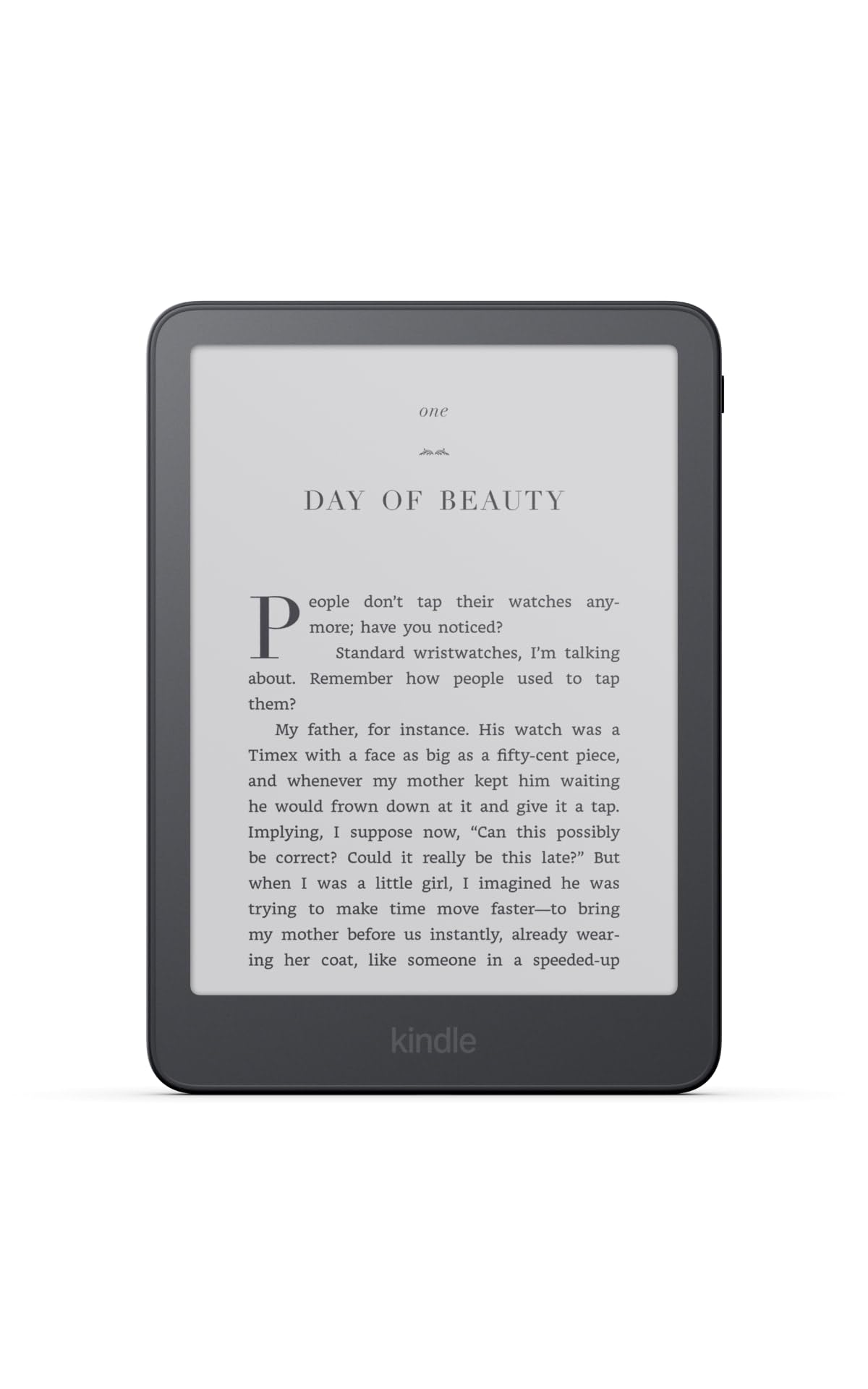
Kindle Paperwhite (newest model)
The current listing describes a 16GB Kindle Paperwhite with a 7-inch display and warm light. Check the listing for the exact color, ads setting, price, and availability.
View on Amazon ↗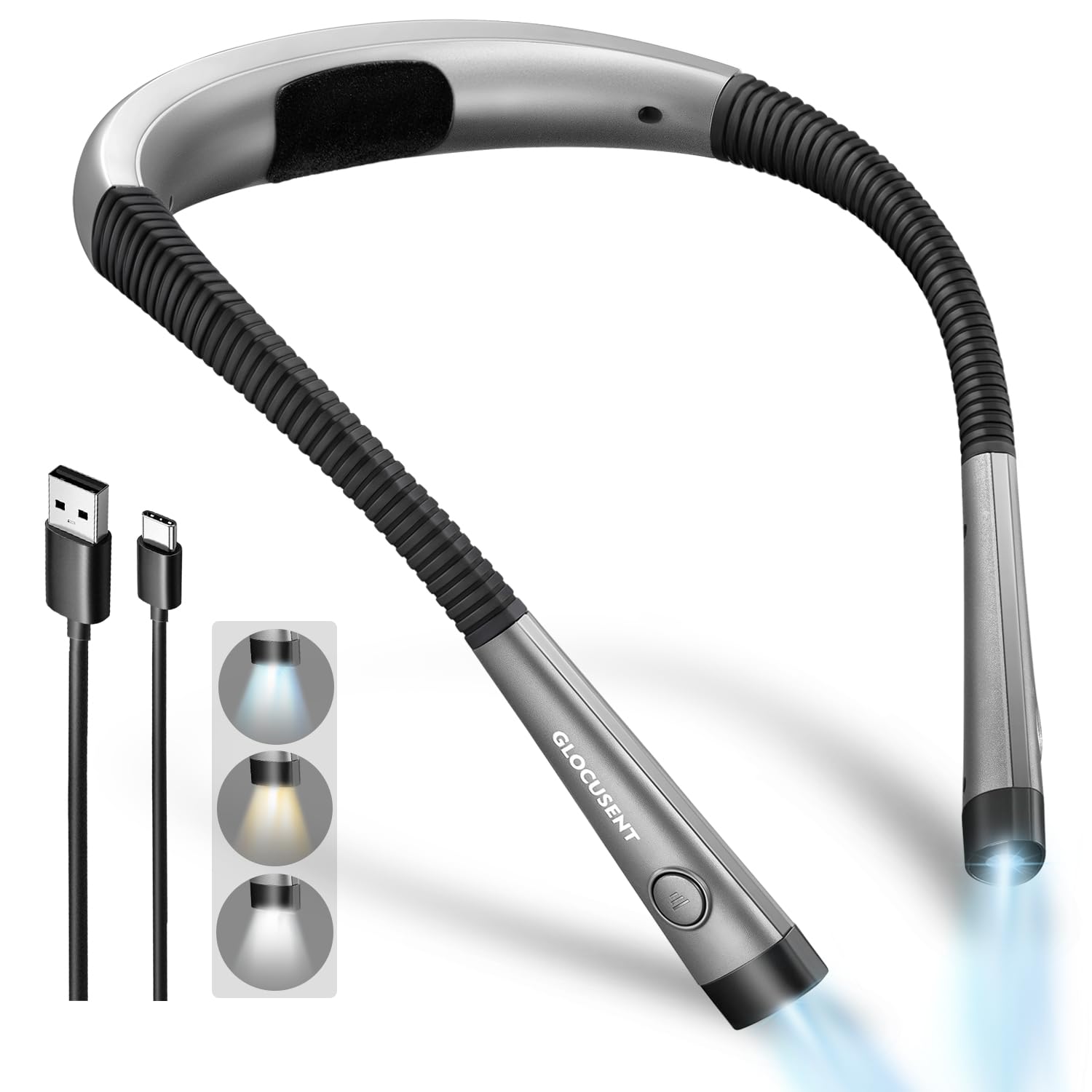
Glocusent reading light
The current listing describes a bendable neck light with multiple color and brightness settings and rechargeable use. Check the active variant before buying.
View on Amazon ↗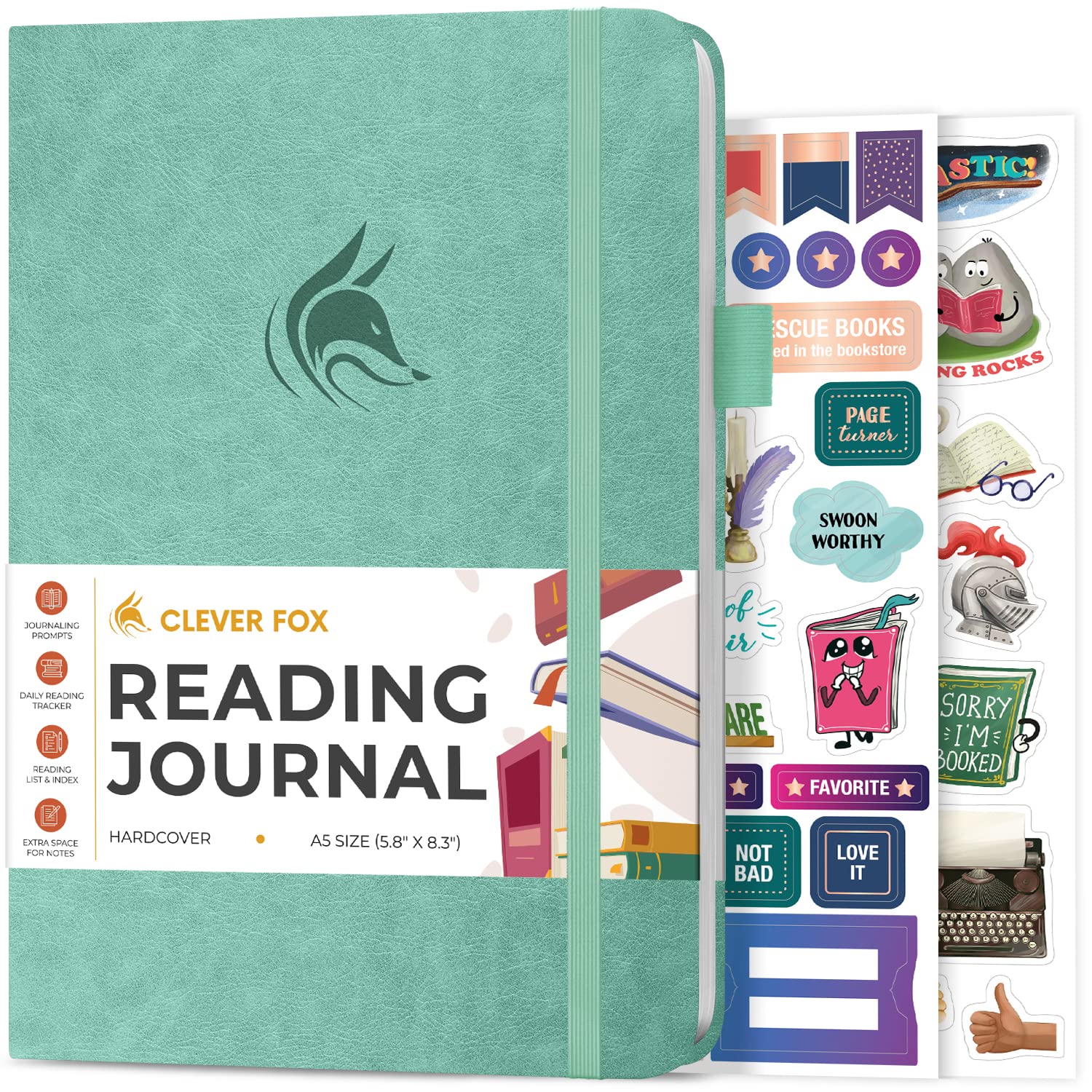
Clever Fox Reading Journal
The current listing describes a 5.8 x 8.3-inch reading journal and book-tracking log. It is a simple place to record your reactions after a few sessions.
View on Amazon ↗These are editorially selected examples, not universal recommendations. Re-check the live listing before buying.
Frequently asked questions
Are audiobooks cheating?
No. Listening uses the same language skills as reading — vocabulary, comprehension, and imagination — and studies that compare listening with reading find little difference in how much of a story people understand. The only thing that matters is the book, not the format.
Which is better, Audible or Libby?
Libby is better if you want free audiobooks and do not mind waiting for popular titles — it borrows from your local library with a library card. Audible is better if you want the widest catalogue and books to keep, since its credits buy titles that stay yours. Many listeners use both: Libby first, Audible for the titles with long waits.
Can you listen to audiobooks offline?
Yes. Every major app lets you download an audiobook to your phone before you travel, so you can listen on a plane or in a dead zone with no signal. Download on Wi-Fi at home, and the book stays on your phone until you remove it.
How can I listen to audiobooks for free?
Borrow them from your library with Libby or Hoopla — both are free with a library card. Spotify's premium plans include a monthly allowance of audiobook hours, and many classics are free on LibriVox, where volunteers record books in the public domain.
What speed should I listen to audiobooks at?
Start at normal speed, then try 1.25x — most listeners settle there, and voices still sound natural. Slow narrators often sound better at 1.5x, and dense nonfiction is easier at 1x. Trust your ears: if it sounds rushed, slow down.
Do audiobooks count as reading?
Yes. Reading is about taking in a story or an idea, not about the shape of the letters. Audiobooks build vocabulary and comprehension just as print does, and for many people they are the only way a busy day leaves room for a book at all.
How do I find the best audiobook narrators?
Follow the narrator, not just the author. On Audible and Libro.fm, a narrator's name is a link to everything else they have read — Ray Porter, Julia Whelan, and Jim Dale are three names listeners trust. Sample before you buy: two minutes of a voice tells you whether a long listen will be a pleasure.
Can I listen to audiobooks on a Kindle?
Yes, on most modern Kindles. A Kindle Paperwhite plays Audible audiobooks over Bluetooth — pair your earphones or a speaker, and the book appears in your library alongside your ebooks. Older Kindles without Bluetooth cannot play audio.
Key takeaways
- Start with a famous narration — Project Hail Mary or The Midnight Library — and judge the voice, not just the book.
- Libby is free with a library card; Audible is best for the widest choice and books to keep.
- Short chapters and strong narrators make the best commutes; save thrillers for daylight.
- A sleep timer and a familiar book are the kindest way to fall asleep to a story.
- Listen at 1.25x, download before you travel, and note the lines worth keeping.
Useful Sources And Verification
This guide is original editorial guidance. For broader library and reading resources, verify details through Library of Congress, American Library Association, and New York Public Library. Books Club does not claim firsthand testing unless a page states it clearly.