
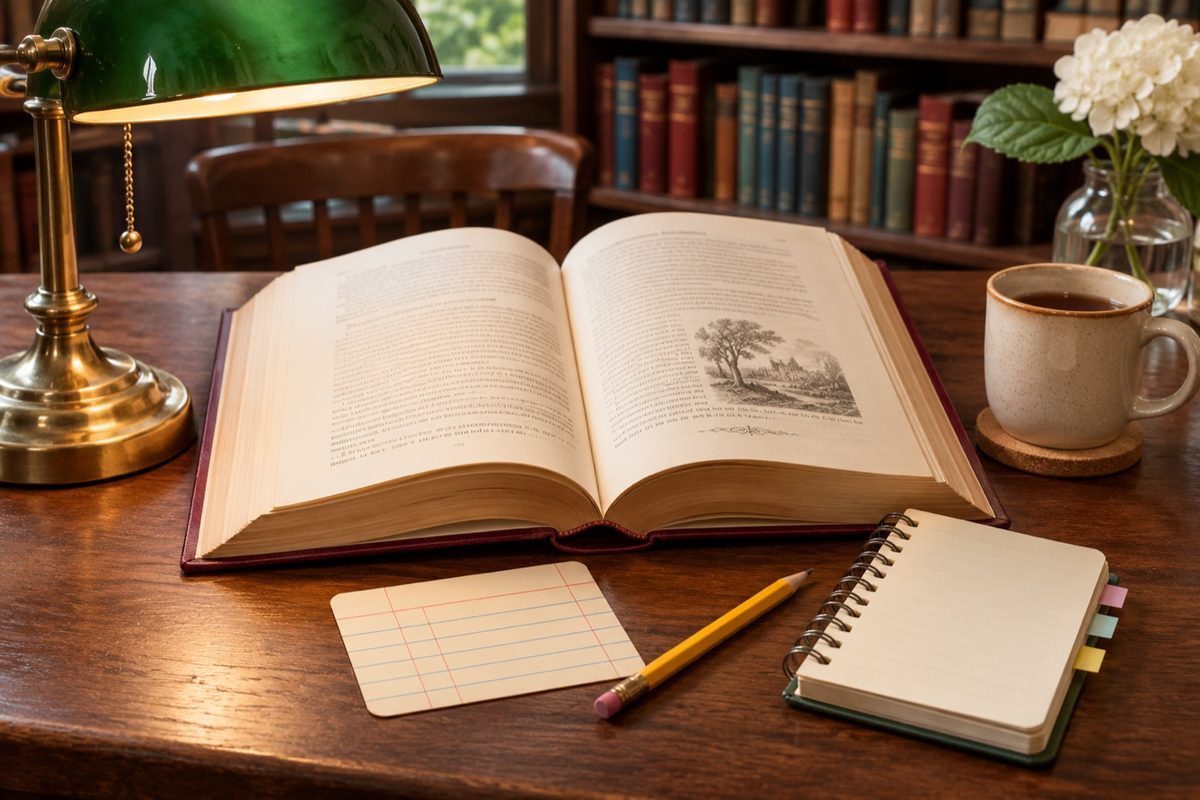
Read for about twenty minutes in warm, dim light, choose a gentle book, and put screens away at least half an hour before sleep. If a book is too exciting to put down, save it for daytime and keep a calmer one by the bed.
At a glance: a calmer bedtime in five moves
You do not need a new routine, only a few small changes to the one you already have. Start with the first two rows tonight and add the rest over the week.
| Move | Do this | Why it helps |
|---|---|---|
| Same time nightly | Start reading at the same time every night | Your body learns the cue and starts winding down |
| Twenty minutes | Stop after about twenty minutes | Long enough to enjoy, short enough to stay sleepy |
| Warm light only | Use a warm lamp or book light, dimmed low | Bright and blue light tells your brain to stay awake |
| Gentle books only | Save thrillers and cliffhangers for daytime | A calm book lets your thoughts slow down |
| Screens off | Put the phone away 30 minutes before bed | Scrolling is the fastest way to lose the sleepy feeling |
| One-line journal | Write one line about what you read | It closes the day and clears your head |
Read at the same time every night
Sleep loves a pattern. When you open a book at the same time every evening, your body starts to treat that moment as the signal that the day is ending, and drowsiness arrives more easily. Pick a time you can keep — after brushing your teeth, or once the kitchen is clean — and guard it the way you would any other appointment.
The exact hour matters less than the repetition. A regular slot also makes the habit stick without willpower, which is the same trick behind building a reading habit that lasts: same time, same place, no decisions left to make when you are already tired.
Keep it short: twenty minutes is enough
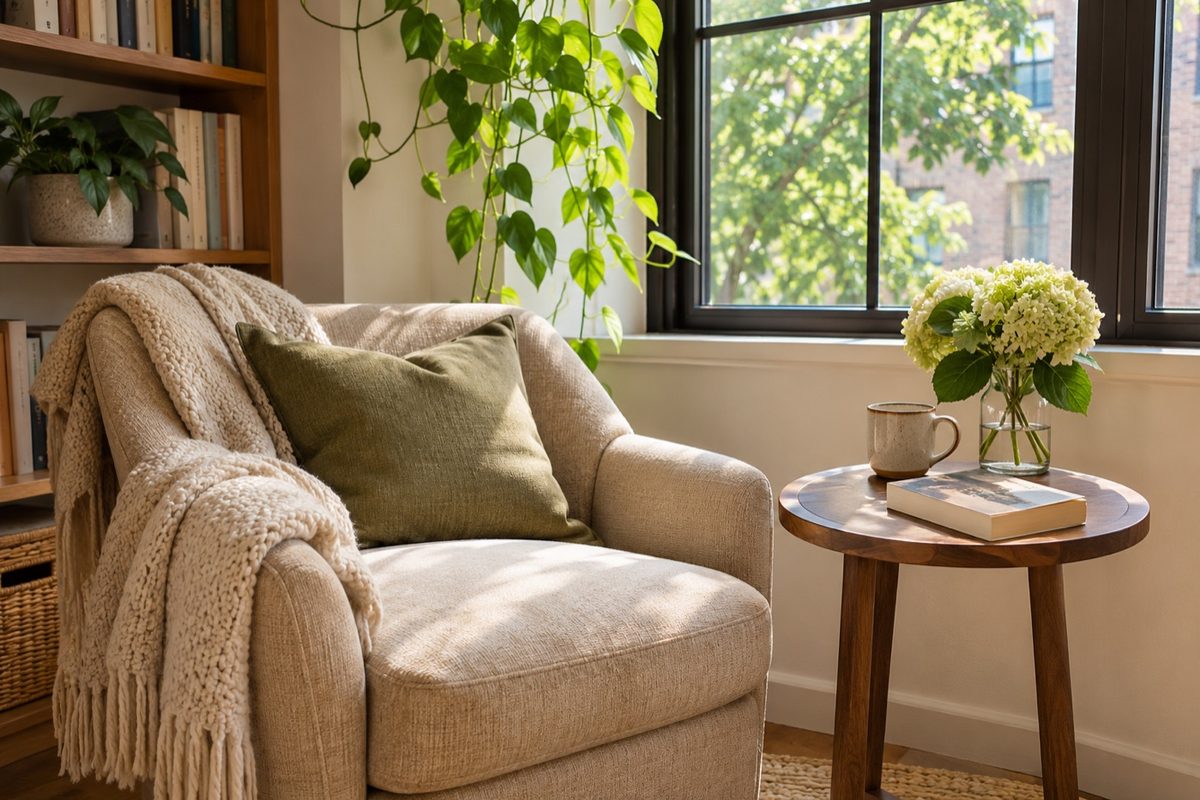
Twenty minutes is the sweet spot for bedtime reading. It is long enough to sink into a chapter and short enough that you stop while you are still sleepy, instead of reading through the drowsiness and into a second wind. Set a quiet timer if you need one — the timer is not a test, it is a permission slip to stop.
If twenty minutes feels too short, remember the goal is sleep, not pages. A small nightly amount still adds up to a lot of books over a year, as reading more books in a year without burnout shows — steady beats heroic every time.
Use warm light only
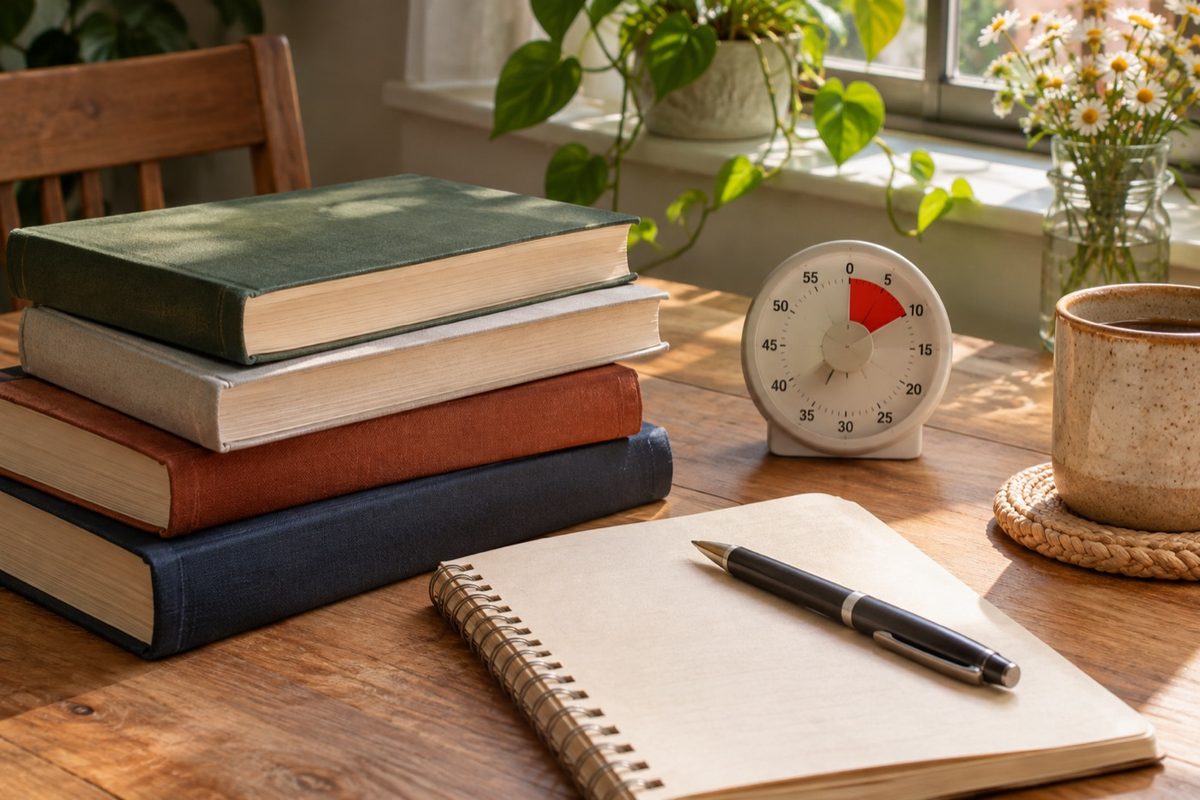
Light is the biggest lever you have. Bright white light and the blue glow of a phone both tell your brain it is daytime, which is exactly the wrong message an hour before sleep. A warm lamp, dimmed low, or a small book light clipped to the page gives you enough light to read comfortably without waking your brain up.
Keep the light on the page, not in your eyes. Angle a lamp down, use the lowest brightness that still feels comfortable, and avoid the overhead light entirely — a room that looks like evening helps your body feel like evening too.
Choose gentle books for the last hour
What you read matters as much as how you read it. A twisty thriller, a horror novel, or a book that ends every chapter on a cliffhanger will keep your mind racing long after you close it. Save those for daylight, and keep a gentler book by the bed: a warm novel, a memoir, essays, or a story you have already read once.
Gentle does not mean boring. It means a book whose pull is steady rather than urgent, so you can put it down without a fight. If you are stuck choosing, choosing your next book in ten minutes has a quick test for matching a book to your mood.

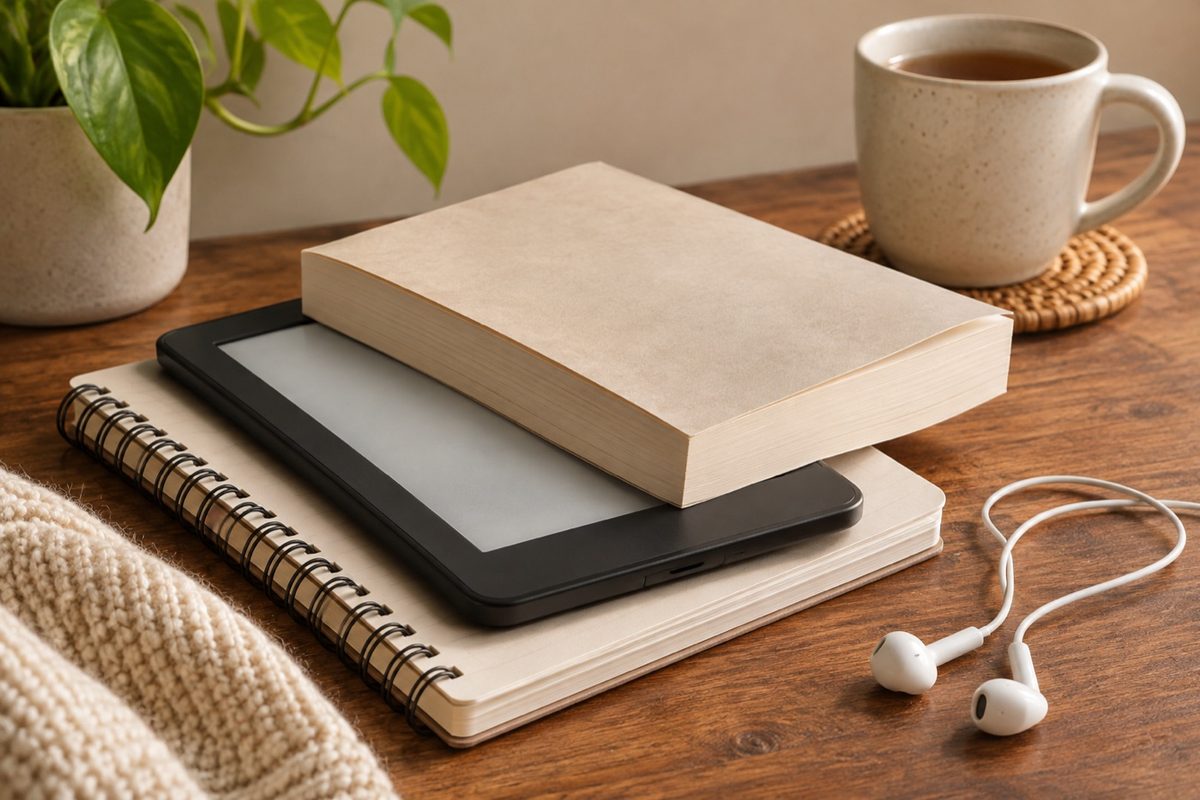
Screens off, e-reader on warm
The phone is the enemy of bedtime reading. One quick check becomes twenty minutes of scrolling, and the bright screen undoes all the calm your book just built. Put the phone on charge outside the bedroom, or at least face-down across the room, thirty minutes before you want to sleep.
An e-reader is a fair compromise if you prefer one: set it to warm light, turn the brightness down, and switch off Wi-Fi so nothing can interrupt you. The right setup is covered in the best reading accessories for book lovers, where a good light and a comfortable device do most of the work.
Read in a chair, sleep in the bed
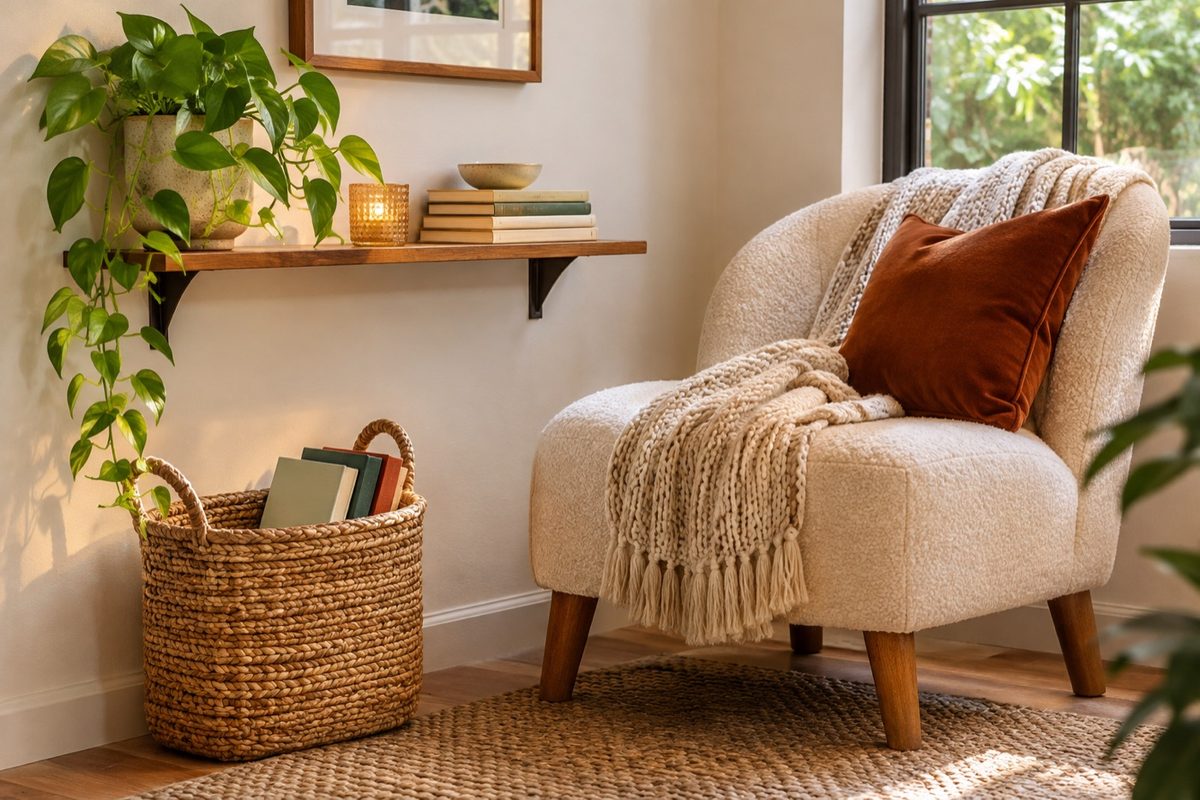
Sleep experts give the same advice for a reason: the bed should mean sleep. If you read in bed every night and then struggle to fall asleep, try reading in a chair first and moving to bed only when your eyes feel heavy. The short walk between the two becomes part of the wind-down.
That said, many people read in bed happily for years. If you do, keep it simple: sit up rather than lying flat, keep the light low, and stop when you start re-reading the same line. A small dedicated spot helps either way — building a reading corner in a small space shows how little room it takes.
End with one line in a journal
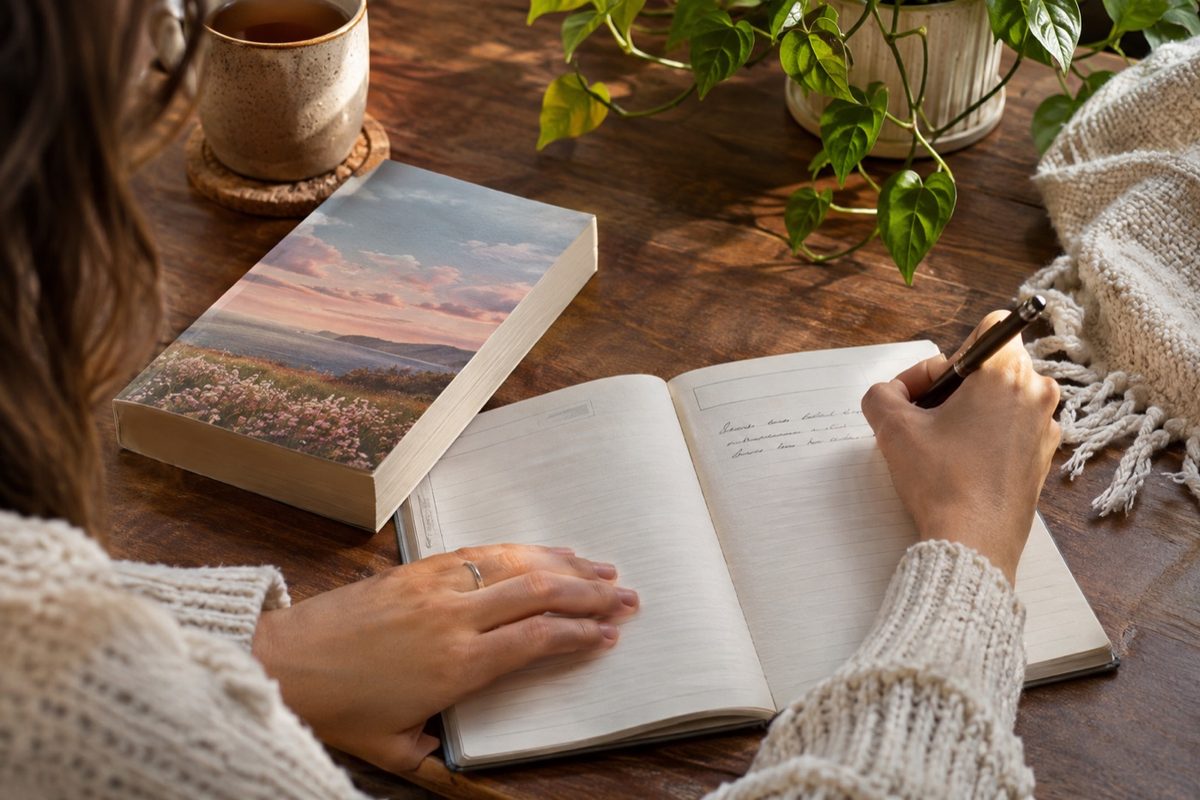
A single written line closes the reading session and empties your head before sleep: the sentence you liked, the question you want answered tomorrow, or simply the page number. It takes thirty seconds and stops the book from looping in your mind while you try to drift off.
Keep the journal and a pen on the nightstand so there is no friction. Writing one line a night also builds a lovely record of your reading year, and remembering what you read explains why even tiny notes make books stick.
Mark your place and stop mid-chapter
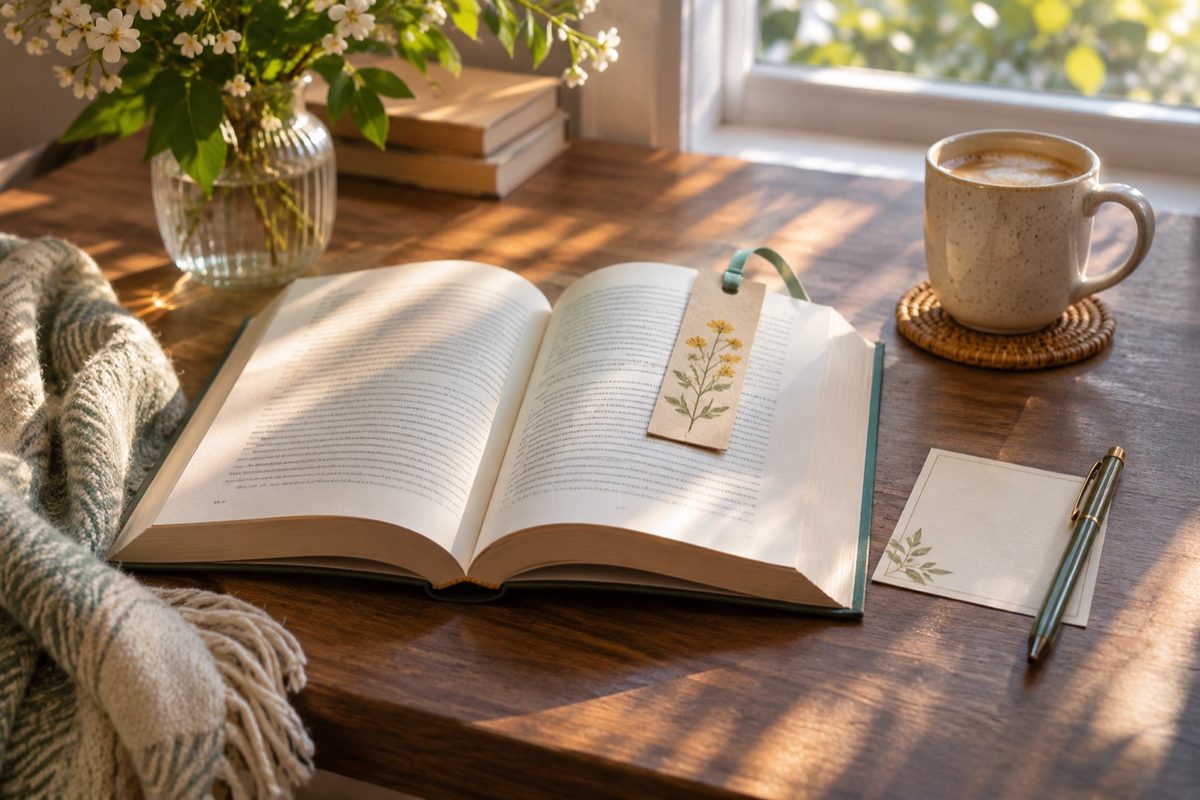
You do not have to finish the chapter. In fact, stopping mid-chapter is often better at bedtime: there is no cliffhanger pulling you on, and tomorrow you pick up exactly where the story was warm. A bookmark, a folded corner of a sticky note, or the e-reader's own place marker all do the job.
The trick is to decide your stopping point before you start, not when you are already hooked. Twenty minutes, or the end of the scene — whichever comes first — then the bookmark goes in and the light goes out.
Flag the lines worth keeping
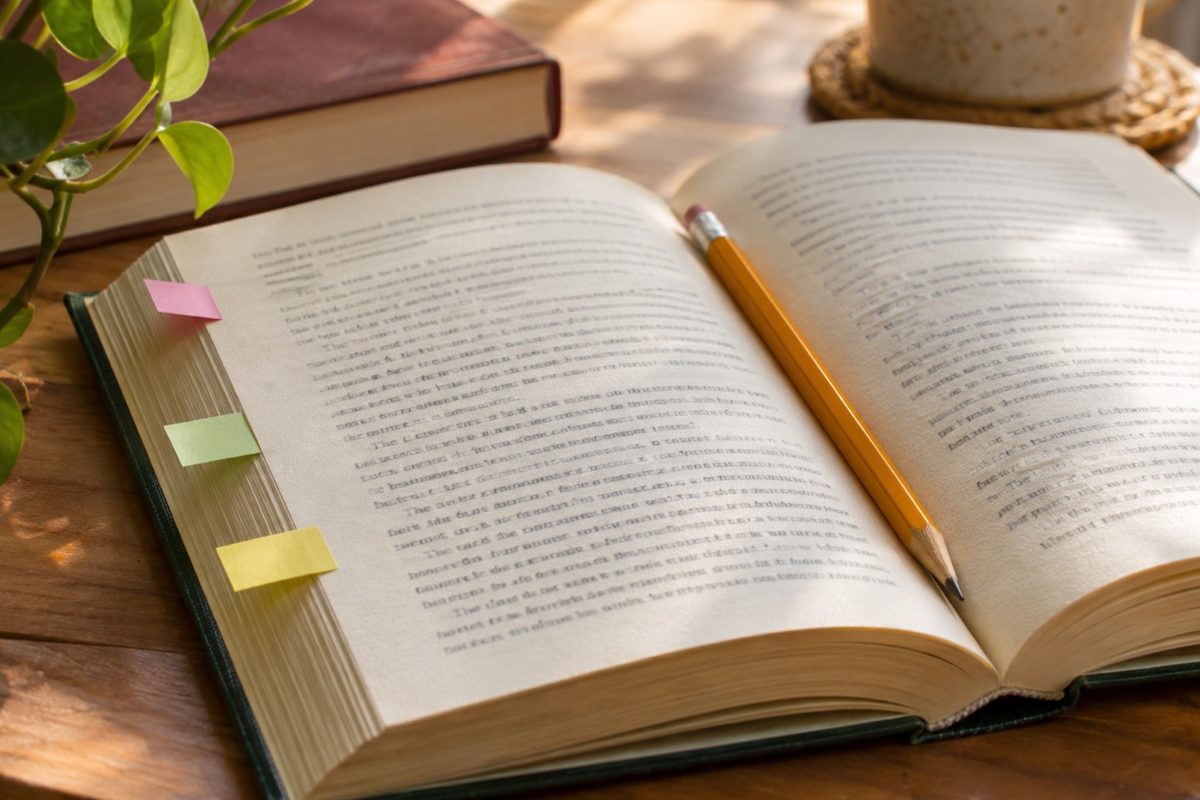
Bedtime is when the best lines seem to find you, and also when you are most likely to forget them by morning. A small sticky flag or a pencil underline lets you mark the sentence without waking yourself up to write about it — the note can wait for daylight.
This is a light touch, not homework. One flag a night is plenty, and the flags become a trail of what moved you. If you enjoy the habit, how to annotate a book has gentle methods that work even when you are half asleep.
When your eyes are tired, listen instead
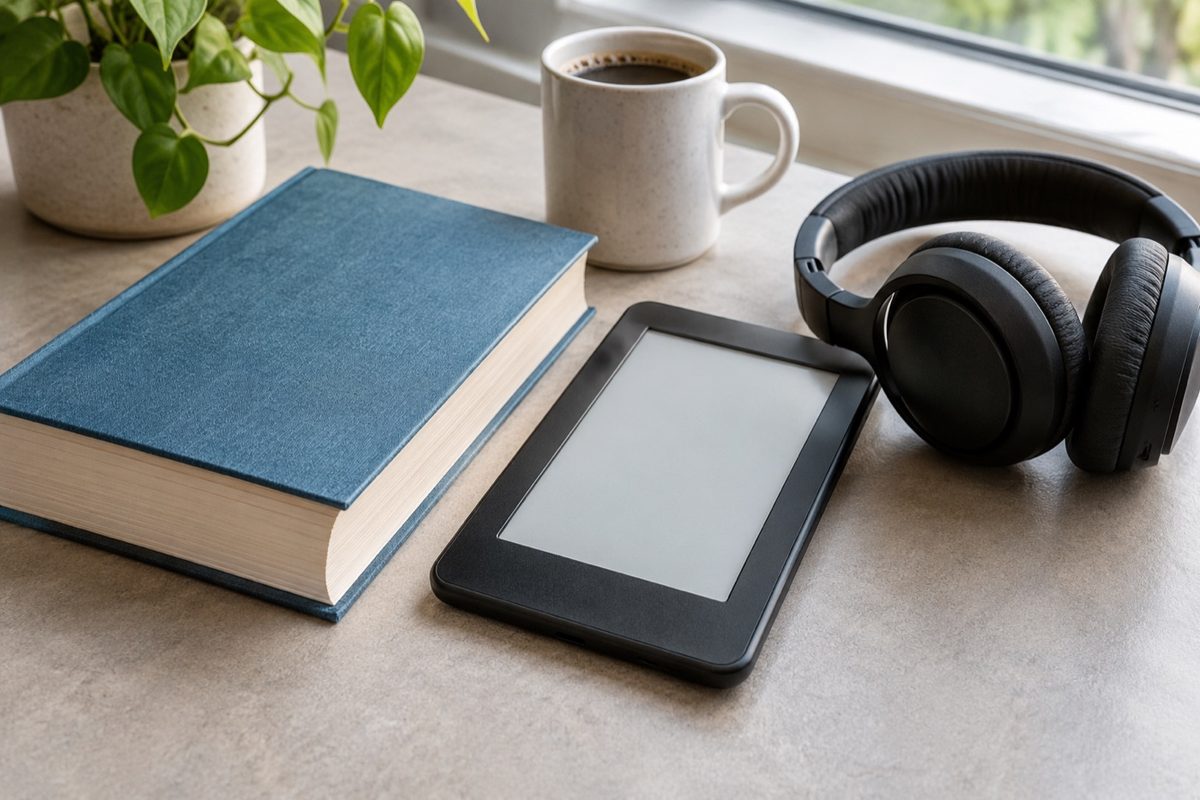
Some nights your eyes are done before your mind is. That is a good night to switch to an audiobook for fifteen minutes with the lights low, or simply to close the book and let the story rest. Forcing tired eyes across a page only builds frustration, and frustration is the opposite of sleep.
Audiobooks count as reading, and a calm narrator is one of the gentlest ways to drift off. Set a sleep timer so the story stops on its own, and keep the volume barely above a whisper. For nights when even listening feels like too much, short books and gentle poetry make a soft landing.
Three small tools for calmer nights
None of these is required — a library book and a dim lamp are enough. But each one below removes a small friction that quietly costs readers sleep: light in the wrong place, a clip that slips, or a device that is too bright.
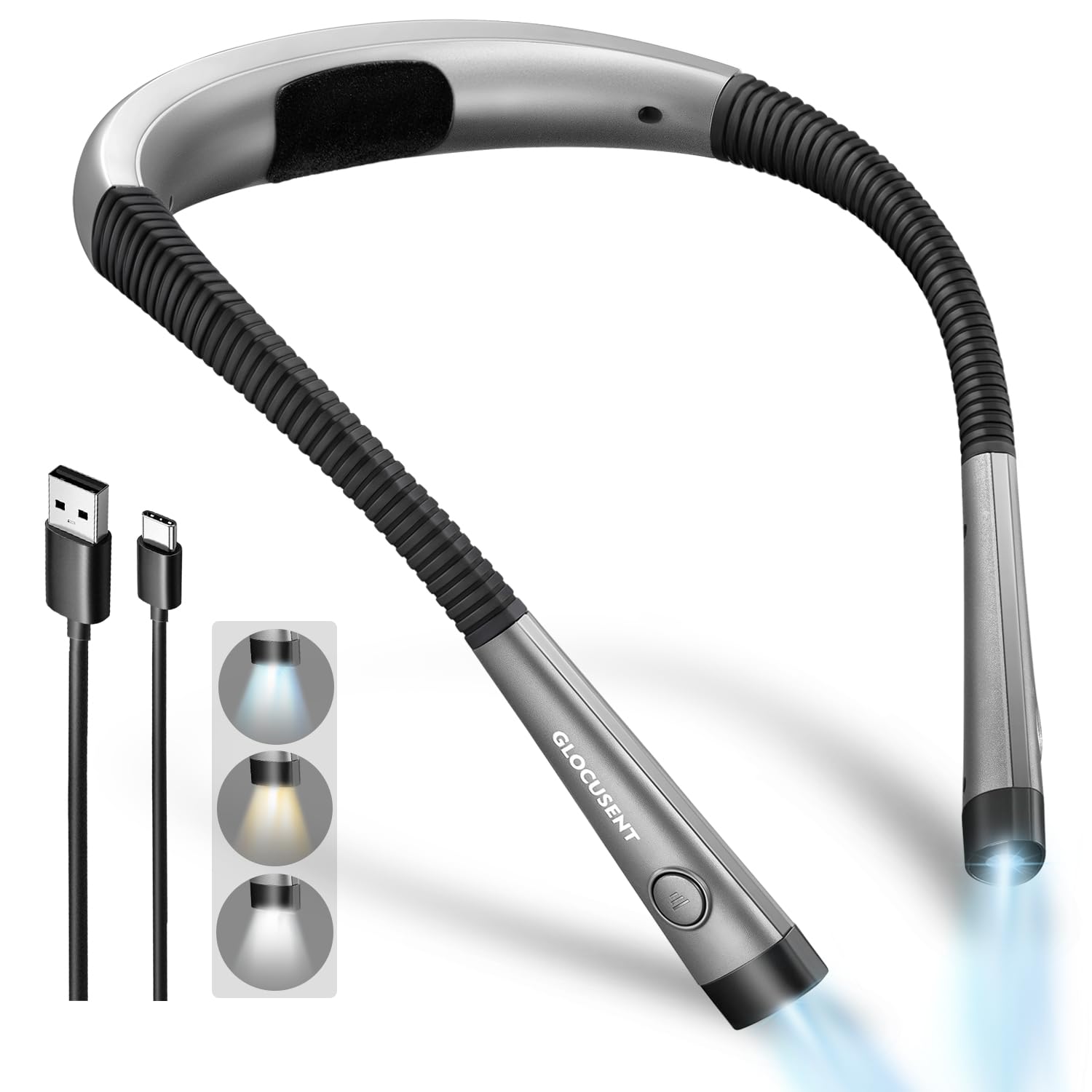
Glocusent reading light
The current listing describes a bendable neck light with multiple color and brightness settings and rechargeable use. Check the active variant before buying.
View on Amazon ↗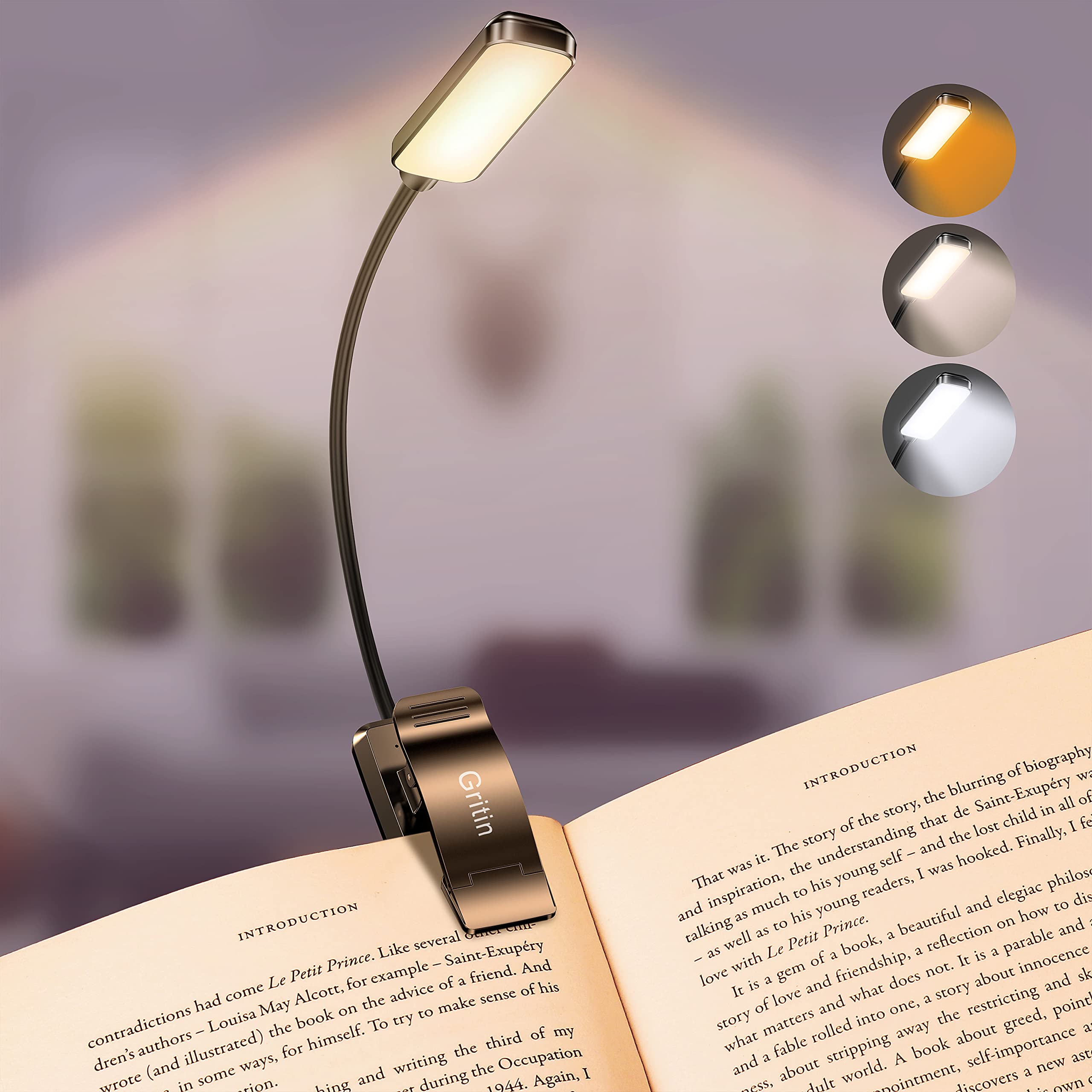
Gritin rechargeable book light
A rechargeable clip-on book light for bedtime reading. Check the listing for clip fit, brightness settings, and battery life.
View on Amazon ↗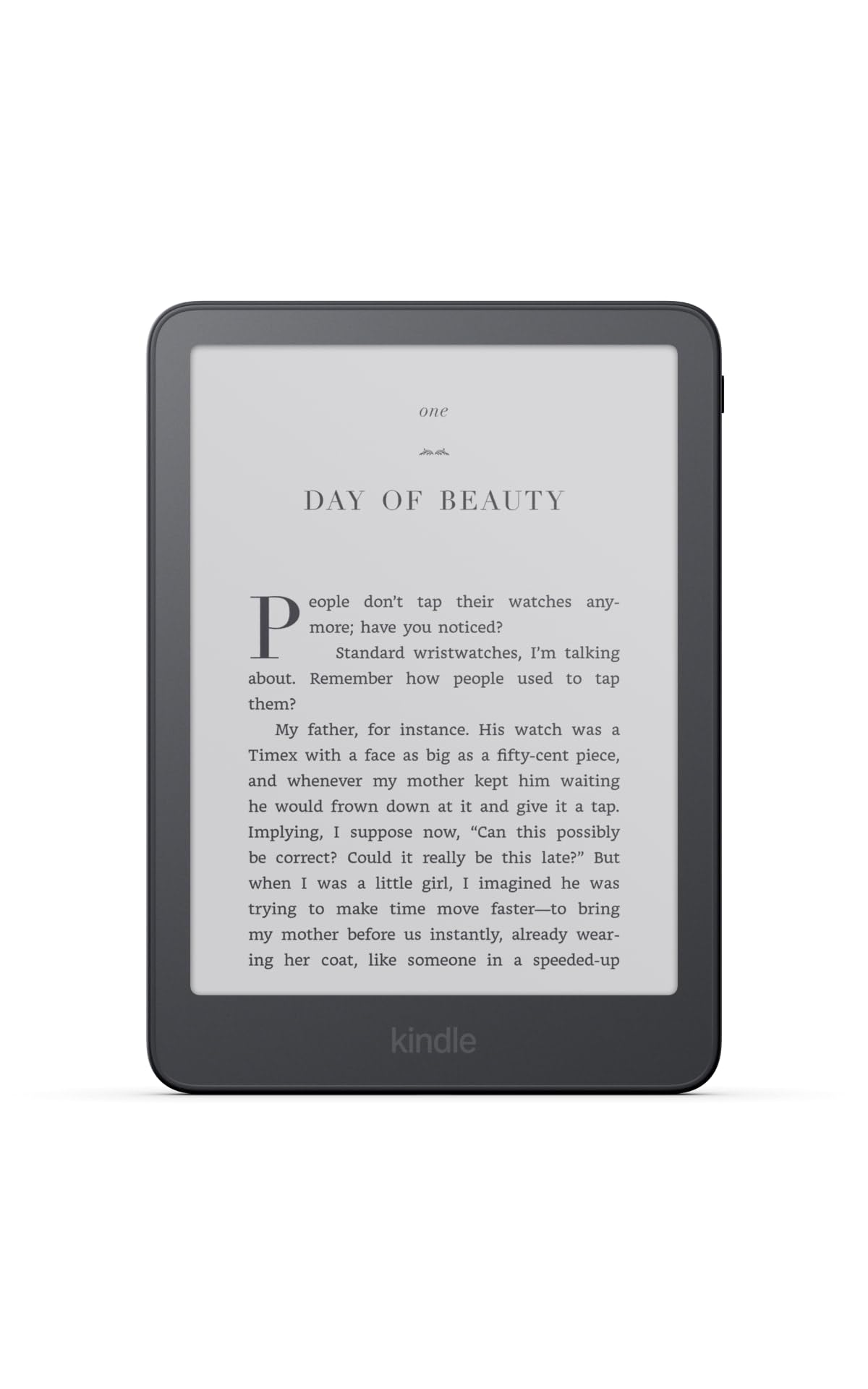
Kindle Paperwhite (newest model)
The current listing describes a 16GB Kindle Paperwhite with a 7-inch display and warm light. Check the listing for the exact color, ads setting, price, and availability.
View on Amazon ↗These are editorially selected examples, not universal recommendations. Re-check the live listing before buying.
Frequently asked questions
Is reading before bed actually good for sleep?
Yes, for most people. A calm book in dim, warm light helps your mind slow down and can replace scrolling, which is far worse for sleep. The problems start only with bright light, exciting books, or reading for hours past your bedtime.
How long should I read before bed?
About twenty minutes is a good default. It is long enough to enjoy a chapter and short enough to stop while you are still sleepy. If you regularly read for an hour and fall asleep fine, keep your own rhythm — the timer is a tool, not a rule.
What kind of books are best for bedtime?
Gentle, steady books: warm novels, memoirs, essays, poetry, or a favourite you have read before. Save thrillers, horror, and books with constant cliffhangers for daytime, when staying up late costs you nothing.
Is reading on a phone or tablet bad before bed?
A phone is the worst option because of its bright screen and endless notifications. A tablet is only slightly better. A dedicated e-reader with warm light and Wi-Fi off is the gentlest screen choice; a paper book with a warm lamp is better still.
What light should I use for reading in bed?
Warm, dim, and aimed at the page. A small clip-on book light or a neck light works well because it lights only the book and not the whole room — or your partner. Avoid overhead lights and cool-white bulbs in the last hour.
Should I read in bed or in a chair?
Either can work. A chair is better if you struggle to fall asleep after reading in bed, because it keeps the bed linked to sleep alone. If you read in bed happily and sleep well, there is no need to change.
What if a book is too exciting to put down at night?
Put it down anyway and read it in the daytime. Keep a second, calmer book by the bed for nights when the exciting one is calling. The exciting book will still be there tomorrow — and you will enjoy it more when you are not exhausted.
Can audiobooks help me fall asleep?
Yes. A calm narrator at low volume, with a sleep timer set for fifteen to thirty minutes, is one of the gentlest ways to drift off. Choose a familiar or slow-paced title rather than a tense thriller.
Key takeaways
- Read at the same time every night, for about twenty minutes, in warm dim light.
- Keep exciting books for daytime; the bedside book should be gentle and easy to put down.
- Screens off thirty minutes before bed — a warm-lit e-reader is the only fair exception.
- One written line and a bookmark close the session so your mind can rest.
- If your eyes are tired, listen instead — an audiobook with a sleep timer counts.
Useful Sources And Verification
This guide is original editorial guidance. For broader library and reading resources, verify details through Library of Congress, American Library Association, and New York Public Library. Books Club does not claim firsthand testing unless a page states it clearly.