

Give a book 50 pages — 100 if it is long or famously slow — and if you are still bored, confused, or dreading it, stop. The money is already spent, the author will not know, and your reading time is worth more than a finished pile.
At a glance: the DNF rules
Quitting is a decision, not a defeat. Use these rules as a fair trial for every book, and you will finish fewer books you hate and more books you love.
| Rule | When it applies | What to do |
|---|---|---|
| The 50-page rule | Most novels under 300 pages | Stop at page 50 if you are bored or dreading it |
| The 100-page rule | Long novels and slow classics | Give it 100 pages, then judge it honestly |
| The age rule | Any book, any length | Your age in pages — 30 years old, 30 pages to decide |
| The three-strike test | Books you keep avoiding | Three skipped sessions in a row means it is done |
| The audio test | Books that feel like a chore on paper | Try an hour of the audiobook before quitting |
| The one-year rule | Books you shelved unfinished | If a year passes without missing it, let it go for good |
Guilt is not a reason to finish
Nobody is keeping score. There is no exam at the end of a novel, no prize for finishing a book you hated, and no reader police checking your shelf. The guilt comes from a good place — respect for the author, for the money, for the idea that a serious reader finishes what they start — but it is still guilt, and guilt is a terrible reading companion.
Reading should feel like the best part of your day, not a chore you owe someone. If the book on your lap feels like homework, that is information, not failure. The same kindness that builds a reading habit — small, pleasant, regular — is what makes quitting a good book decision instead of a defeat.

The 50-page rule
The 50-page rule is the classic fair trial: read the first fifty pages, and if the book has not earned your interest by then, you may stop with a clear conscience. Fifty pages is enough for the characters to arrive, the voice to settle, and the story to make its promise. If none of that has happened, the book has had its chance.
Keep a tiny note of where it lost you — a flat opening, a character you dislike, a plot that wanders. The note takes a minute and turns a vague feeling into a decision you can trust. It also helps next time you are choosing your next book in ten minutes, because you will know exactly what to avoid.

The 100-page rule for longer books
Some books need more runway. A long novel, a translated classic, or a book famous for a slow opening deserves a hundred pages before you judge it — many great books only catch fire in the second act. The 100-page rule is the 50-page rule with patience built in, and it is the fairest test for books over four hundred pages.
But a hundred pages is a ceiling, not a sentence. If you reach it and you are still checking the page count every few minutes, the book has failed the test. A slow start is forgivable; a hundred pages of nothing to hold onto is not, and the pile on your nightstand is waiting.

The money is already spent
The most common reason readers keep going is the price tag: I paid for this, so I must finish it. But the money is gone whether you finish the book or not. Reading another two hundred joyless pages does not refund a single cent — it only spends something more valuable, your time.
Think of it the other way round. Every hour you give a book you dislike is an hour you cannot give a book you would love. Passing the book on — to a friend, a little free library, or the charity shop — turns a sunk cost into someone else's good read. The tote bag is already packed; the only thing left is to let go.

Boredom is not the same as difficulty
Before you quit, ask one honest question: am I bored, or am I finding it hard? Boredom — nothing happening, nobody to care about — is a good reason to stop. Difficulty is different: a dense style, an unfamiliar setting, or ideas that ask you to slow down. Difficult books are often the ones worth finishing.
Write the difference down in a sentence or two. If the sentence is “nothing has happened and I do not care what happens next,” quit. If it is “this is hard but I keep thinking about it,” give it another chapter. A journal line costs nothing and, as remembering what you read shows, it makes your judgement sharper next time too.

Change the setting before you quit
Sometimes the book is fine and the moment is wrong. A novel that drags in a noisy house can fly by in a quiet café with a coffee, and a book that feels heavy at midnight can feel light on a Sunday morning. Before you abandon it, give it one session in a different place, at a different time of day.
This is a cheap test with a high payoff. If the new setting changes nothing, you have your answer and you can quit cleanly. If the book suddenly works, you have rescued a good read — and learned something about when you read best.

Try the audiobook before you quit
A narrator can save a book that the page cannot. A flat voice on paper becomes a living character in a good narrator's hands, and a dense opening becomes easy when someone else carries the rhythm. Give a struggling book one hour of audio — on a walk, on the commute, while cooking — before you call it done.
If the audio version works, you have not quit at all; you have simply changed format. If it does not, you have spent one pleasant hour finding out instead of three miserable ones. Either way, the experiment is worth it, and books for new readers has gentle titles that shine in audio.

Ask your book club first
If the book is a club pick, ask the group before you quit. Someone else may be loving it and able to tell you what is coming, or the whole group may be quietly struggling and relieved that you said it first. A five-minute conversation can rescue a book — or rescue the whole club from a dull month.
Even outside a club, talking about a book you are stuck on is useful: saying out loud what is not working often reveals whether the problem is the book or your mood. If you do not have a club yet, how to start a book club takes you through it, and a good club makes quitting a group decision, not a lonely one.

A better light will not fix a boring book
It is tempting to blame the setup: maybe a new lamp, a better bookmark, or a fresh e-reader will make the book work. It will not. Gear solves comfort problems, not story problems. If you have spent more time shopping for reading accessories than reading the book, the book has already told you what it thinks.
That said, the tools below are genuinely useful for the books you do love — a warm light for late pages, a journal for the thoughts a good book sparks, a bookmark that holds your place. Just do not buy your way out of a DNF. The honest test is the text, and the text has had its chance.

Pick the next book before you shelve this one
The best cure for DNF guilt is a better book, chosen immediately. Quitting feels like failure when it leaves an empty space; it feels like good taste when the next book is already in your hands. Ask a friend what they loved most this year, or browse a list built for your mood — feel-good books is a kind place to start when a heavy book has beaten you up.
Keep a short list of books you actually want to read, not books you feel you should read. The next one should be a book you are looking forward to, not another obligation. When the new book pulls you in from page one, the one you quit will be forgotten by chapter three — which is exactly how it should be.

Three small tools for quitters in good standing
Quitting takes no tools at all — but the books you keep deserve good ones. These three help the next book, the one you actually finish: a warm light for late pages, a journal for the note that explains a DNF, and a bookmark that holds your place.
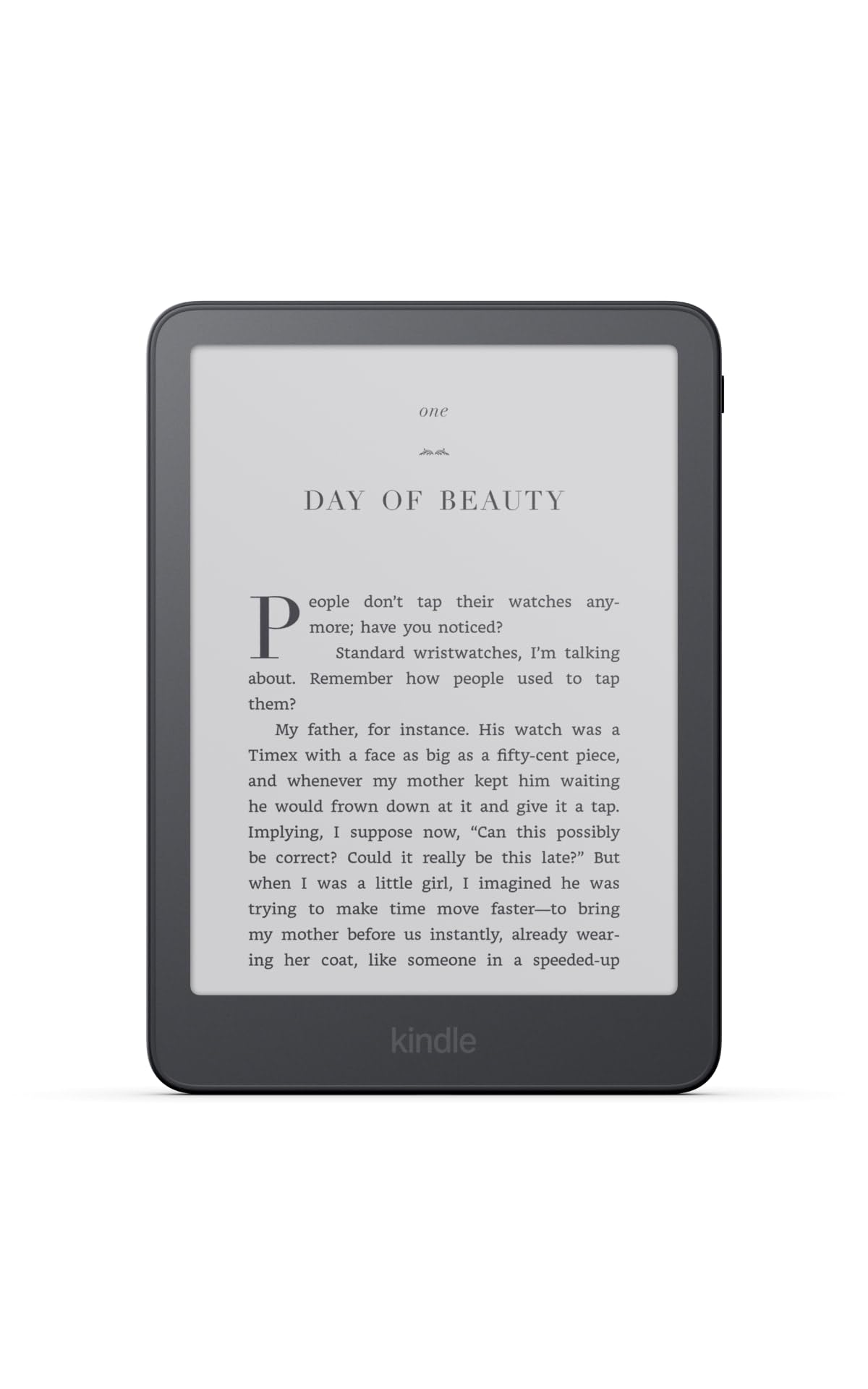
Kindle Paperwhite (newest model)
The current listing describes a 16GB Kindle Paperwhite with a 7-inch display and warm light. Check the listing for the exact color, ads setting, price, and availability.
View on Amazon ↗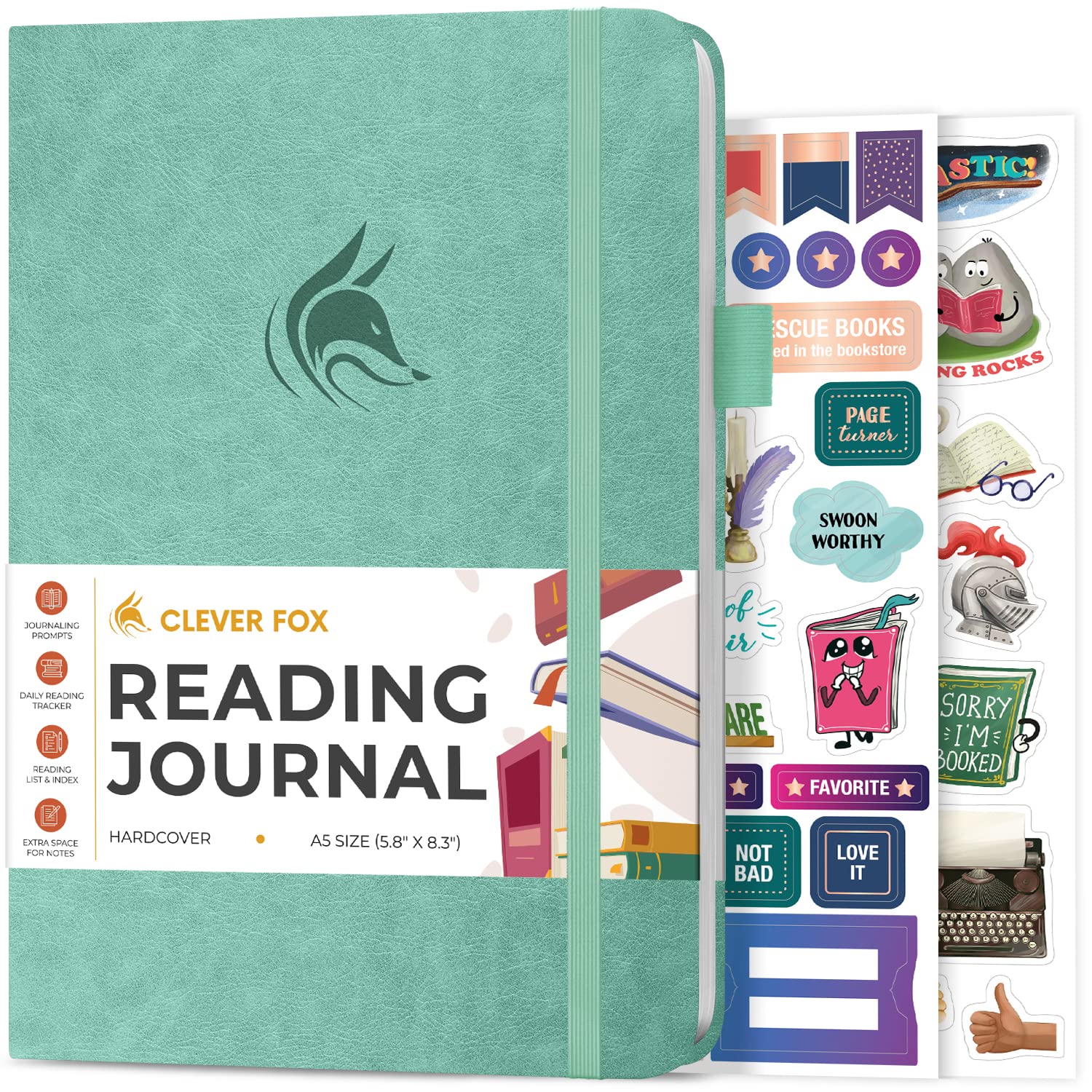
Clever Fox Reading Journal
The current listing describes a 5.8 x 8.3-inch reading journal and book-tracking log. It is a simple place to record your reactions after a few sessions.
View on Amazon ↗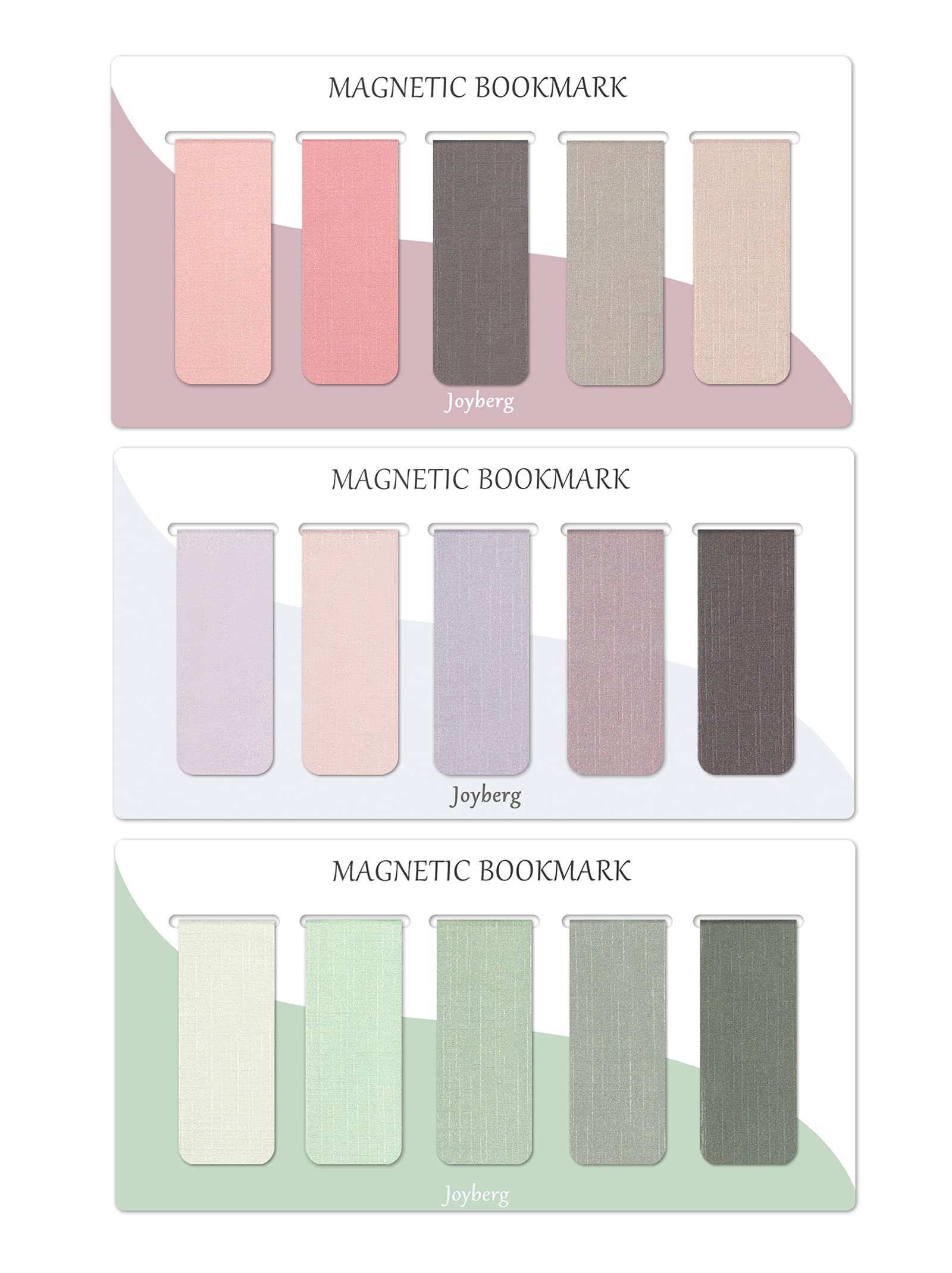
Magnetic bookmark set
A set of magnetic bookmarks that clip over the page and stay in place. Check the listing for designs, quantity, and availability.
View on Amazon ↗These are editorially selected examples, not universal recommendations. Re-check the live listing before buying.
Frequently asked questions
What does DNF mean in reading?
DNF stands for “did not finish.” It means you stopped reading a book before the end — by choice, not by accident. It is a normal, healthy part of reading, and most keen readers DNF several books a year.
How many pages should I read before quitting a book?
Fifty pages is the classic rule, and a hundred pages for long or slow books. A handy alternative is your age in pages — if you are 35, give it 35 pages. The point is a fair trial with a clear end, not an endless slog.
Is it okay to quit a classic or a famous book?
Yes. Fame is not a guarantee that a book suits you, your taste, or your moment in life. Many readers come back to a classic years later and love it — quitting now is not quitting forever.
Should I feel guilty about not finishing a book?
No. Guilt means you respect books, which is a good thing, but finishing a book you hate does not honour the author — it only wastes the hours you could spend on a book you love. Thank the book for what it taught you and move on.
What should I do with a book I DNF?
Pass it on. Give it to a friend who might love it, donate it, swap it, or return it to the library. Keeping it on your shelf as a reproach helps nobody — and the empty space is an invitation to the next book.
How do I know if a book is boring or just difficult?
Ask whether you keep thinking about it when you are not reading. Difficult books linger in your mind; boring ones vanish the moment you close them. If you cannot remember a single character's name, you are probably bored — and free to stop.
Can I quit a book club book?
You can, but talk to the group first. Tell them where you stopped and why — you may find others feel the same, or someone may point you to the part that makes it worth it. A good club treats an honest DNF as a discussion, not a betrayal.
Will I ever come back to a book I quit?
Often, yes. Mood, age, and season change what a book means. If a book keeps nagging at you, try it again in a different format or a different year — many readers' favourite books are ones they DNFed the first time.
Key takeaways
- Give a book 50 pages — 100 for long or slow ones — then judge it honestly.
- Boredom is a reason to quit; difficulty is often a reason to keep going.
- The money is already spent. Your remaining time is worth more than the price tag.
- Try a new setting or an hour of audio before you call it done.
- Pick the next book immediately — quitting feels like good taste, not failure.
Useful Sources And Verification
This guide is original editorial guidance. For broader library and reading resources, verify details through Library of Congress, American Library Association, and New York Public Library. Books Club does not claim firsthand testing unless a page states it clearly.